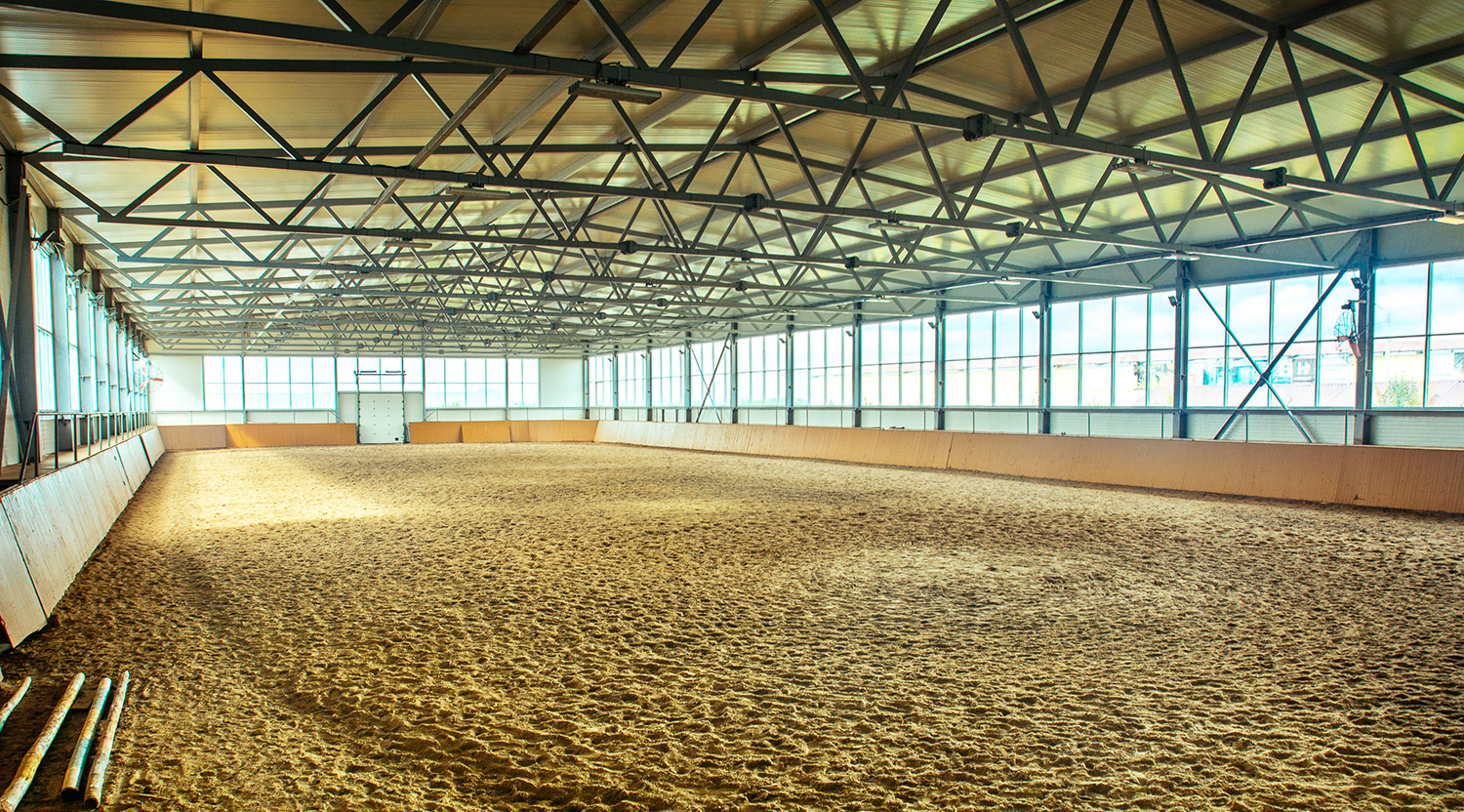
Looking to build a grow house or an indoor horse riding arena? In recent years, indoor grow houses have gained significant traction among farmers and horticulturists. These specialized structures offer a controlled environment allowing year-round crop cultivation regardless of external conditions. Whether you are a seasoned farmer or a novice looking to venture into indoor farming, designing an efficient indoor grow house is crucial for maximizing crop yield. In this article, we will explore some tips to help you achieve optimal results in your indoor growing endeavors.
The Basics of Grow Houses
Before delving into the tips for designing an efficient indoor grow house, it’s essential to grasp the fundamentals of this innovative farming technique. A grow house is a structure specifically designed to provide an optimal environment for plant growth. Unlike traditional outdoor farming, grow houses offer complete control over factors such as temperature, humidity, lighting, and air circulation. This controlled environment ensures that crops receive the ideal conditions for their growth, resulting in increased productivity and crop yield.
Choosing the Right Location
When setting up an indoor grow house, the choice of location plays a vital role in its overall efficiency. Ideally, the grow house should be situated in an area with easy access to utilities like water and electricity. Additionally, consider factors such as proximity to markets and transportation routes to ensure the smooth distribution of your produce. Moreover, the location should provide ample space for expansion if you plan to scale up your operations.
Selecting the Appropriate Structure
The design and structure of your indoor grow house are critical for its efficiency and productivity. Various options, such as greenhouses, polytunnels, and converted buildings, are available. Each has its own advantages and considerations. However, for the purpose of this article, we will focus on the design aspects of a purpose-built indoor grow house.
-
Optimal Lighting
Lighting is one of the most crucial factors in indoor cultivation. Since natural sunlight may be limited or inconsistent, you must provide supplemental lighting for your crops. High-quality LED grow lights are the preferred choice for many indoor farmers due to their energy efficiency and ability to provide specific light spectrums tailored to different stages of plant growth. Proper placement and intensity of lighting are essential to ensure uniform coverage and promote healthy plant development.
-
Efficient Air Circulation
Proper air circulation is vital for maintaining a healthy growing house environment. Stagnant air can lead to the growth of molds, mildew, and pests, which can significantly affect crop yield. Install fans or ventilation systems to ensure a continuous fresh air flow throughout the grow house. This helps prevent the buildup of excess humidity and maintains a stable temperature, promoting healthy plant growth.
-
Temperature and Humidity Control
Maintaining optimal temperature and humidity levels is crucial for the success of your indoor growing operations. Different crops have varying requirements, so it’s important to research the specific needs of your chosen plants. Utilize a combination of heating, cooling, and dehumidification systems to create a stable environment that supports healthy growth. Automated climate control systems can help monitor and regulate these parameters, ensuring your crops thrive.
Implementing an Efficient Irrigation System
An efficient irrigation system is essential for providing plants with the right water and nutrients. Hydroponic systems, such as drip irrigation or nutrient film technique (NFT), are popular choices for indoor growers. These systems allow for precise water and nutrient delivery control, minimizing waste and optimizing plant uptake. Consider integrating a water filtration system to ensure the quality of your irrigation water, as impurities can negatively impact plant health.
Utilizing Advanced Monitoring and Automation Technology
To maximize crop yield and streamline operations, leverage the power of advanced monitoring and automation technology. Implementing sensors, such as soil moisture sensors and environmental monitors, enables real-time data collection, allowing you to make informed decisions and promptly address any issues that may arise. Automation systems can control lighting, irrigation, and climate conditions, reducing the need for manual intervention and ensuring consistent plant care.
Optimal Plant Nutrition and Crop Management
Proper nutrition is crucial for healthy plant growth and high crop yield. Utilize quality fertilizers and follow recommended nutrient schedules to give your plants the necessary elements for robust development. Implementing a crop management system, including regular pruning, pest monitoring, and disease prevention measures, is vital for maintaining a productive and healthy indoor grow house.
Conclusion
Designing an efficient indoor grow house is a complex process that requires careful consideration of various factors. Ready to design and construct an efficient indoor grow house that ensures optimal crop yield? Look no further than Coastal Steel Structures. With our expertise in steel building construction, we can help you create a customized indoor grow house that meets your specific requirements. From selecting the right structure to implementing advanced technologies, our team will guide you through the process, ensuring a successful and productive growing environment.
Contact us today to discuss your indoor grow house project and let us be your trusted partner in creating a space that maximizes your crop yield. Start your journey towards a thriving indoor growing operation by partnering with Coastal Steel Structures.