In today’s rapidly evolving technological landscape, industries are becoming increasingly reliant on skilled professionals who can bridge the gap between cutting-edge technology and practical applications. Enter the industrial technologist a crucial role at the intersection of technology, engineering, and innovation. In this guide, we’ll delve into the multifaceted world of industrial technology, exploring the role, responsibilities, skills, education, and future prospects of an industrial technologist.
As technology continues to reshape industries, the demand for individuals who can effectively harness, implement, and optimize these advancements is on the rise. Industrial technologists play a pivotal role in this process, serving as the linchpin between theoretical concepts and real-world applications.
Understanding the Role of an Industrial Technologist
Industrial technologists are professionals who specialize in the practical application of technological solutions within industrial settings. They collaborate with engineers, designers, and other stakeholders to ensure that technology is seamlessly integrated into various processes. From streamlining manufacturing operations to enhancing efficiency in supply chains, their contributions are far-reaching.
Key Responsibilities and Contributions
The responsibilities of an industrial technologist encompass a wide range of activities. They may analyze existing systems to identify areas for improvement, design and implement technological solutions, and oversee the integration of new technologies. Additionally, they often play a vital role in troubleshooting and resolving technical issues that may arise.
Essential Skills for Success
To excel as an industrial technologist, a diverse skill set is essential. Strong analytical skills enable them to evaluate complex systems, while problem-solving abilities aid in devising innovative solutions. Effective communication skills are crucial for collaborating with multidisciplinary teams, and adaptability is necessary to keep pace with evolving technologies.
Educational Pathways
Becoming an industrial technologist typically requires a blend of education and hands-on experience. A bachelor’s degree in a relevant field, such as industrial technology, engineering technology, or a related discipline, provides a solid foundation. Some technologists also pursue certifications to validate their expertise in specific areas.
Navigating the Industrial Tech Landscape
Industrial technology encompasses a wide array of sectors, including manufacturing, energy, logistics, and more. Industrial technologists have the opportunity to work across diverse industries, contributing their skills to improve processes, enhance efficiency, and drive innovation.
Embracing Technological Advancements
As the tech landscape evolves, industrial technologists must stay abreast of emerging trends. From automation and data analytics to the Internet of Things (IoT), these professionals must adapt and leverage the latest advancements to create tangible benefits for their respective industries.
Future Trends in Industrial Technology
The future holds exciting prospects for industrial technologists. As industries continue to explore the potential of AI, sustainable practices, and interconnected systems, technologists will be at the forefront of implementing transformative changes.
Building a Career as an Industrial Technologist
Starting a career in industrial technology involves a strategic approach. Networking, seeking internships, and gaining practical experience during studies can provide a competitive edge. As technologists gain experience, they can advance to managerial roles, leading teams and driving strategic technological initiatives.
Navigating the Industrial Tech Landscape
Industrial technologists have the unique opportunity to work across a diverse spectrum of industries, each with its own set of challenges and opportunities. Let’s explore some of the key sectors where industrial technologists make a significant impact:
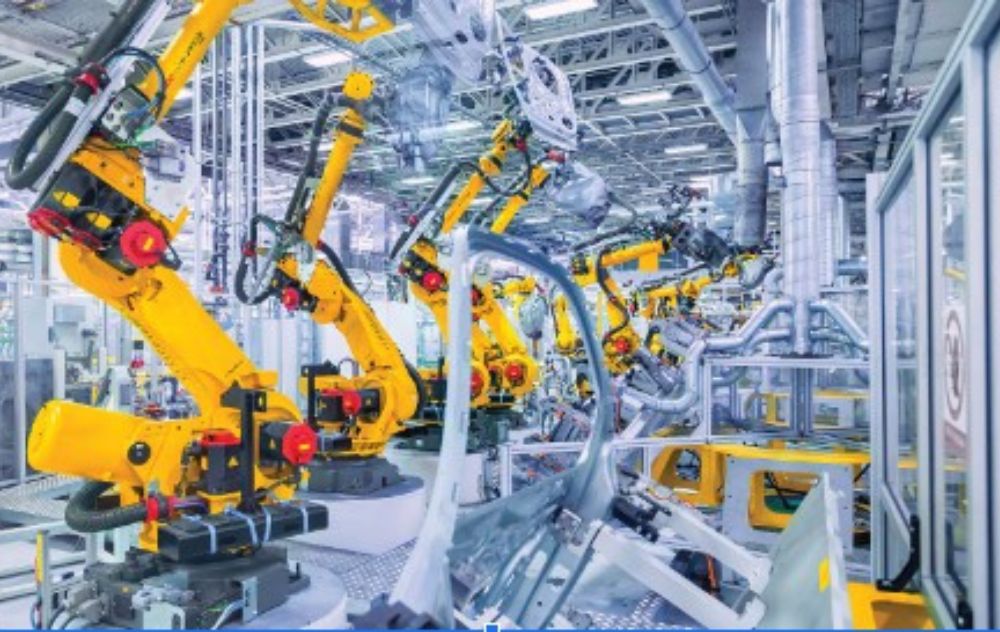
- Manufacturing and Automation: In the manufacturing sector, industrial technologists play a pivotal role in implementing automation solutions, robotics, and advanced production systems. They optimize manufacturing processes to enhance efficiency, reduce costs, and ensure product quality.
- Energy and Utilities: Within the energy industry, industrial technologists contribute to the development of smart grids, renewable energy technologies, and energy-efficient systems. They work on projects that aim to reduce carbon footprints and create more sustainable energy solutions.
- Logistics and Supply Chain: Industrial technologists help streamline logistics and supply chain operations by implementing technologies such as RFID tracking, inventory management systems, and predictive analytics. Their contributions lead to improved inventory management, faster delivery times, and reduced operational inefficiencies.
- Aerospace and Aviation: In the aerospace sector, industrial technologists work on aircraft design, maintenance, and safety systems. They contribute to innovations in avionics, propulsion systems, and aircraft materials, ensuring safe and efficient air travel.
- Automotive Industry: Industrial technologists are crucial to the automotive industry’s transition towards electric and autonomous vehicles. They develop systems for vehicle electrification, autonomous driving features, and advanced safety technologies.
- Healthcare and Medical Devices: Within healthcare, industrial technologists contribute to the design and development of medical devices, diagnostic tools, and healthcare IT systems. They ensure that technology enhances patient care and medical efficiency.
- Construction and Infrastructure: Industrial technologists play a role in construction projects by implementing technologies for project management, building information modeling (BIM), and construction automation. Their efforts contribute to safer and more efficient construction processes.
Embracing Technological Advancements
The role of an industrial technologist is closely intertwined with staying up-to-date with the latest technological advancements. As industries evolve, so do the tools and strategies used to solve challenges. Here are some technological trends that industrial technologists need to embrace:
- Internet of Things (IoT): The IoT involves connecting devices, sensors, and systems to collect and exchange data. Industrial technologists leverage IoT to create smart factories, monitor equipment health, and optimize operational processes.
- Artificial Intelligence (AI) and Machine Learning: AI and machine learning enable predictive maintenance, data analysis, and decision-making. Industrial technologists use AI to identify patterns, optimize processes, and improve overall efficiency.
- Additive Manufacturing (3D Printing): Additive manufacturing revolutionizes product design and prototyping. Industrial technologists leverage 3D printing to create complex parts, reduce waste, and accelerate the manufacturing cycle.
- Blockchain Technology: In supply chain and logistics, blockchain technology enhances transparency, traceability, and security. Industrial technologists implement blockchain to track product origins, verify authenticity, and streamline transactions.
- Sustainable Technologies: As industries focus on sustainability, industrial technologists contribute by implementing green technologies, renewable energy solutions, and eco-friendly manufacturing practices.
Future Trends in Industrial Technology
Looking ahead, the role of industrial technologists will continue to evolve as new technologies emerge. Some future trends to watch include:
- Industry 4.0: The fourth industrial revolution, Industry 4.0, is characterized by the integration of cyber-physical systems, cloud computing, and the IoT. Industrial technologists will lead the adoption of these interconnected technologies.
- Edge Computing: With the growth of IoT devices, edge computing involves processing data closer to the source, reducing latency and improving real-time decision-making. Industrial technologists will optimize edge computing solutions for industrial applications.
- Cybersecurity in Industrial Settings: As industries become more connected, cybersecurity becomes paramount. Industrial technologists will play a vital role in developing robust cybersecurity measures to protect critical systems from cyber threats.
- Advanced Data Analytics: The ability to extract actionable insights from large datasets will become increasingly important. Industrial technologists will leverage advanced analytics to optimize processes, predict failures, and drive informed decisions.
Building a Career as an Industrial Technologist
To embark on a successful career as an industrial technologist, aspiring professionals can follow these steps:
Education and Skill Development: Pursue a bachelor’s degree in industrial technology, engineering technology, or a related field. Continuously develop technical skills in areas such as automation, data analysis, and systems integration.
Hands-On Experience: Seek internships, co-op programs, and entry-level positions to gain practical experience in real-world industrial settings. This hands-on experience will enhance your understanding of industry dynamics and technological applications.
Networking: Build a professional network by attending industry events, conferences, and workshops. Networking helps you stay updated on industry trends and connect with potential employers.
Certifications: Consider earning relevant certifications to demonstrate your expertise in specific technologies or industry standards. Certifications can enhance your credibility and open doors to more opportunities.
Continuous Learning: Stay curious and committed to lifelong learning. The field of industrial technology is dynamic, and staying informed about the latest trends and advancements is essential for career growth
Conclusion
The role of an industrial technologist is integral to the success of modern industries. By blending technical prowess with innovation, these professionals facilitate the seamless integration of technology, contributing to increased efficiency, sustainability, and growth. As industries continue to evolve, the demand for skilled industrial technologists is set to remain strong, making it a compelling and rewarding career path for those who are passionate about the intersection of technology and industry.