Table of Contents
ToggleSwimming pool chlorine are synonymous with fun, relaxation, and a refreshing escape from the summer heat. However, beneath the sparkling surface lies a potential hazard that many pool owners overlook: excessive chlorine. While chlorine is essential for maintaining water quality and safety, using too much of it can lead to a host of dangers for swimmers and the environment. In this article, we’ll delve into the consequences of over-chlorination in pool water and explore the risks it poses.
Understanding Chlorine Overload
Chlorine is a powerful disinfectant widely used in swimming pools to kill bacteria, viruses, and algae. When properly dosed, chlorine effectively safeguards swimmers against waterborne illnesses and maintains a clean pool environment. However, excessive chlorine levels can arise from various factors, including inaccurate dosing, poor circulation, and environmental conditions.
Health Risks for Swimmers
- Skin and Eye Irritation: One of the most immediate effects of over-chlorinated pool water is irritation to the skin and eyes of swimmers. High chlorine levels can cause redness, itching, and burning sensations, leading to discomfort and potential allergic reactions. Prolonged exposure may exacerbate existing skin conditions and increase the risk of eye infections.
- Respiratory Issues: Inhaling chlorine fumes released from over-chlorinated pools can irritate the respiratory tract, triggering symptoms such as coughing, wheezing, and shortness of breath. Individuals with asthma or respiratory allergies may experience heightened sensitivity to chlorine, exacerbating their symptoms and discomfort.
- Allergic Reactions: Some swimmers may be allergic to chlorine or its byproducts, experiencing allergic reactions such as skin rashes, hives, or difficulty breathing. Over-chlorinated pools can intensify these allergic responses, posing a significant risk to sensitive individuals and requiring immediate medical attention.
Environmental Impact
- Disruption of Ecosystems: Excess chlorine discharged from pools can find its way into natural water bodies, posing a threat to aquatic ecosystems. Chlorine disrupts the delicate balance of aquatic life, harming fish, plants, and other organisms. Additionally, chlorine runoff can contribute to algal blooms and ecosystem imbalances, further compromising water quality and biodiversity.
- Formation of Toxic Byproducts: When chlorine reacts with organic matter in pool water, it forms disinfection byproducts such as chloramines and trihalomethanes (THMs). These byproducts are known to be harmful to both human health and the environment, contributing to air and water pollution. Prolonged exposure to these toxins can have serious implications for ecosystem health and resilience.
- Impact on Water Resources: Over-chlorination can lead to the wasteful use of water pool chlorine resources as pools may require more frequent draining and refilling to correct imbalanced chlorine levels. This not only places strain on local water supplies but also increases energy consumption for water treatment and disposal, exacerbating environmental pressures and contributing to climate change.
Mitigating the Risks
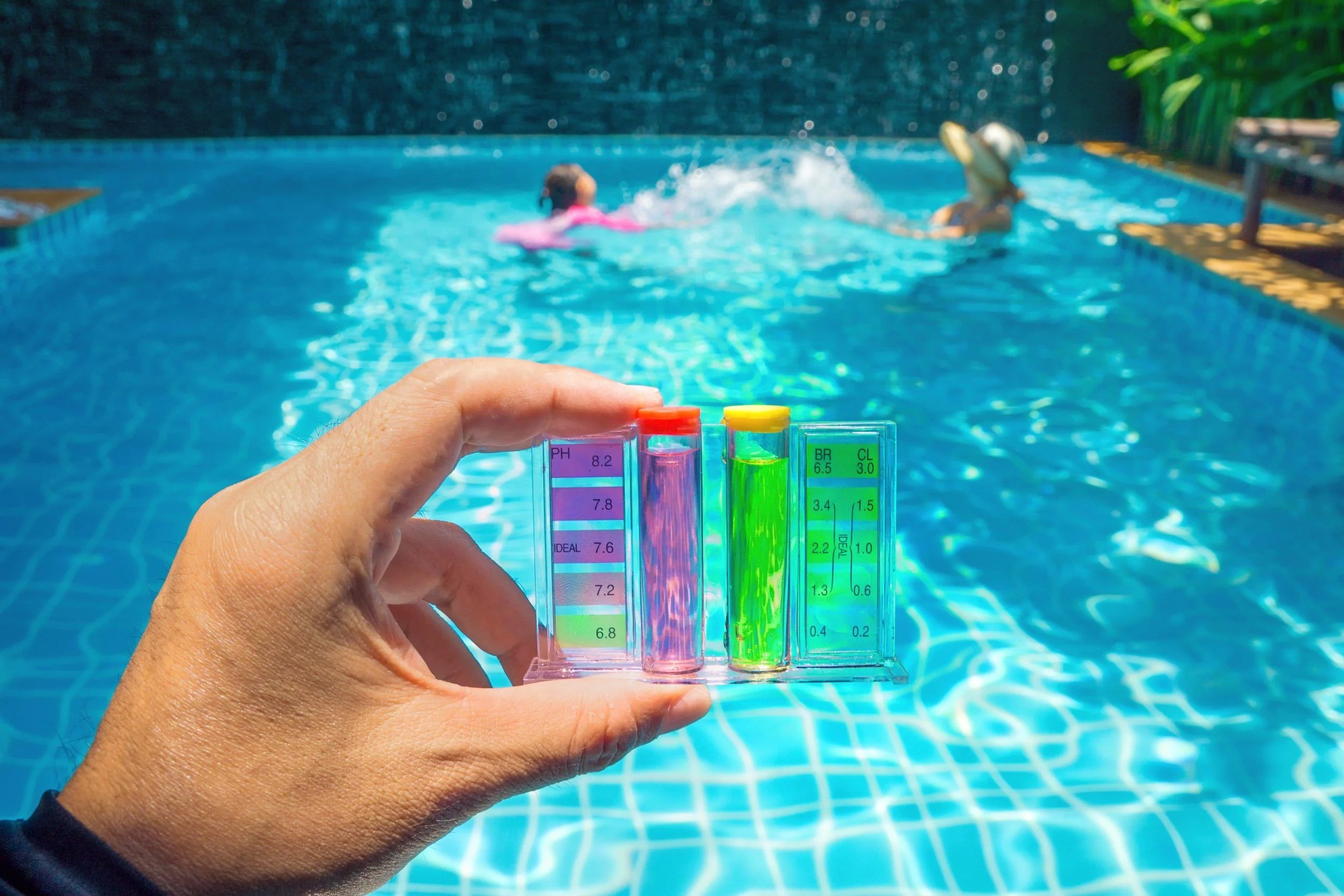
- Regular Monitoring: Regularly test pool water using a reliable water testing kit to monitor chlorine levels and adjust them as needed. Aim for a chlorine concentration within the recommended range of 1-3 parts per million (ppm) to ensure effective disinfection without over-chlorination.
- Proper Maintenance: Maintain proper pool maintenance practices, including regular cleaning, filtration, and circulation, to minimize the buildup of organic matter and contaminants that can react with chlorine. Ensure adequate ventilation to prevent the accumulation of chlorine fumes and promote air quality around the pool area.
- Alternative Sanitizers: Consider using alternative pool sanitizers such as bromine, ozone, or ultraviolet (UV) sterilization systems, which offer effective disinfection with reduced reliance on chlorine. These alternatives can help mitigate the risks associated with over-chlorination and provide a safer and more sustainable pool environment.
- Education and Awareness: Educate pool owners, operators, and swimmers about the importance of proper chlorine management and the potential risks of over-chlorination. Promote responsible pool practices and encourage collaboration with local authorities and environmental organizations to address water quality issues and promote sustainable pool management strategies.
Conclusion
While chlorine plays a crucial role in maintaining clean and safe swimming pools, excessive use can lead to a myriad of dangers for swimmers and the environment. By understanding the risks associated with over-chlorination and adopting proactive measures to mitigate them, pool owners can ensure a healthier and more sustainable pool environment for all. From regular monitoring and maintenance to exploring alternative sanitization methods, finding the right balance of chlorine is essential for safeguarding both human health and environmental integrity. Let’s dive deeper into responsible pool management to ensure that the dangers lurking beneath remain at bay.