Businesses For any business, maintaining a clean and safe environment is crucial—not just for the health and safety of employees but also for preserving the integrity of products and services.Businesses
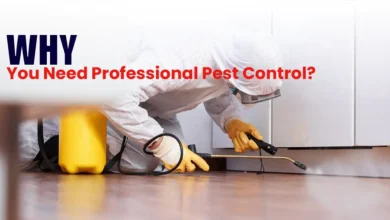
Effective pest control and bird control are critical components of facility management, especially in industries like food service, hospitality, and retail. Businesses
Here are five key reasons why every business should prioritize pest and bird control in their operations:
Health and Safety Compliance
One of the most compelling reasons for maintaining rigorous pest and bird control measures is to comply with health and safety regulations. Businesses
Various health codes and regulations mandate that businesses, particularly those in food-related industries, maintain pest-free environments.
Failure to comply can result in severe penalties, including fines, closure of business operations, or even legal action. Regular pest control services help ensure that businesses meet these requirements consistently and effectively.
Prevention of Disease and Contamination
Pests and birds can carry a range of diseases that pose serious health risks to humans. Pests like rodents, cockroaches, and flies are known to carry bacteria and viruses that can contaminate food and surfaces.
Similarly, birds and their droppings can harbour over 60 different diseases, including salmonellosis and histoplasmosis, which can be particularly dangerous in environments with dense human traffic.
Effective pest and bird control measures help reduce the risk of disease transmission, ensuring a healthier environment for employees and customers.
Protection of Property and Assets
Beyond health risks, uncontrolled pests and bird populations can cause significant physical damage to a business’s property and assets. Pests such as termites can undermine wooden structures, while rodents are notorious for chewing through wires, insulation, and other materials, potentially causing fire hazards.
Birds can cause damage through nesting, their acidic droppings that erode building materials, and by blocking drainage systems which can lead to water damage. Regular maintenance and control strategies minimize these risks and extend the lifespan of business facilities and equipment.
Enhancement of Business Reputation
The presence of pests or birds can seriously harm a business’s reputation. Sightings of rodents or excessive bird presence can quickly lead to negative reviews and decrease customer satisfaction, potentially driving customers to competitors.
Effective pest and bird control not only addresses these issues discreetly but also helps prevent them from occurring in the first place, aiding in maintaining and enhancing a business’s reputation for cleanliness and quality.
Cost-Effectiveness
Investing in regular pest and bird control is far more cost-effective compared to dealing with the aftermath of infestations. The costs associated with damage repairs, regulatory fines, and lost business due to a tarnished reputation can be significant.
Preventative measures provide financial savings in the long run, making regular pest control services a wise investment for any proactive business.
Conclusion
In conclusion, the importance of implementing a robust commercial pest control and bird control strategy cannot be overstated. It ensures compliance with health regulations, prevents the spread of disease, protects physical assets, enhances business reputation, and is a cost-effective strategy for long-term business operations.
Whether you’re running a
Birds can cause damage through nesting, their acidic droppings that erode building materials, and by blocking drainage systems which can lead to water damage. Regular maintenance and control strategies minimize these risks and extend the lifespan of business facilities and equipment.
Regularly scheduled services and timely interventions can safeguard your business against potential disruptions caused by these unwanted visitors, allowing you to focus on growing your business without unwanted distractions.
Birds can cause damage through nesting, their acidic droppings that erode building materials, and by blocking drainage systems which can lead to water damage. Regular maintenance and control strategies minimize these risks and extend the lifespan of business facilities and equipment.