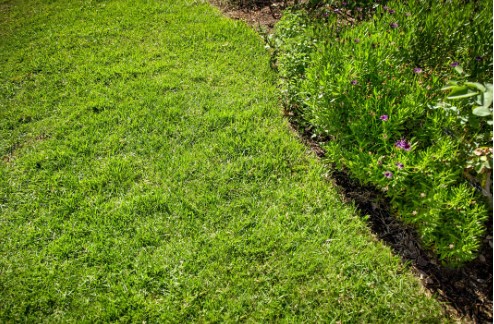
When it comes to achieving a lush, green lawn in Los Angeles, St. Augustine grass is a popular choice for many homeowners. Its ability to thrive in warm climates and its dense, carpet-like appearance make it a preferred option for those looking to enhance their outdoor spaces. At Rototillerguy Landscaping, we understand the intricacies involved in installing St. Augustine grass and are committed to providing you with all the information you need to make an informed decision. In this comprehensive guide, we will walk you through everything you need to know about St. Augustine grass installation, from the benefits and preparation to maintenance and frequently asked questions.
St. Augustine grass is a warm-season grass that is particularly well-suited to the climate of Los Angeles and the surrounding areas. Known for its thick, lush blades and ability to tolerate heat, St. Augustine grass can transform any yard into a green oasis. This grass is ideal for both residential and commercial properties, providing a durable and attractive lawn with minimal effort.
Benefits of St. Augustine Grass
One of the primary reasons homeowners choose St. Augustine grass is its resilience and adaptability. Here are some key benefits of St. Augustine grass:
- Heat Tolerance: St. Augustine grass thrives in warm climates, making it perfect for Southern California’s hot summers.
- Shade Tolerance: Unlike many other grass types, St. Augustine grass can grow well in shaded areas.
- Disease Resistance: This grass is resistant to many common lawn diseases, reducing the need for chemical treatments.
- Low Maintenance: Once established, St. Augustine grass requires minimal maintenance, making it ideal for busy homeowners.
- Aesthetic Appeal: With its dense growth and deep green color, St. Augustine grass creates a visually appealing lawn.
Preparing Your Lawn for St. Augustine Grass Installation
Proper preparation is crucial for the successful installation of St. Augustine grass. Follow these steps to ensure your lawn is ready:
- Soil Testing: Conduct a soil test to determine the pH and nutrient levels. St. Augustine grass prefers slightly acidic to neutral soil (pH 6.0-7.5).
- Clear the Area: Remove any existing grass, weeds, and debris from the area where you plan to install the grass.
- Improve Soil Quality: Incorporate organic matter, such as compost, into the soil to improve its quality and drainage.
- Level the Ground: Ensure the ground is level to prevent water pooling, which can damage the grass.
Choosing the Right Time for St. Augustine Grass Installation
Timing is essential when it comes to installing St. Augustine grass. The best time to install this grass is during the late spring or early summer when the soil temperature is consistently warm. This allows the grass to establish roots before the cooler fall temperatures set in.
Installation Methods for St. Augustine Grass
There are two primary methods for installing St. Augustine grass: sod and plugs.
- Sod Installation: This method involves laying down pieces of fully-grown grass, which provides an instant lawn. It is more expensive but offers immediate results.
- Plug Installation: Plugs are small sections of grass that are planted in a grid pattern. This method is more cost-effective but takes longer for the lawn to fill in completely.
Steps for Sod Installation
If you choose to install St. Augustine grass using sod, follow these steps:
- Measure the Area: Calculate the total square footage of the area to determine how much sod you need.
- Lay the Sod: Start laying the sod along a straight edge, such as a driveway or sidewalk. Stagger the seams like bricks to reduce gaps.
- Water Immediately: Water the sod thoroughly after installation to help the roots establish.
- Roll the Sod: Use a lawn roller to press the sod firmly into the soil, eliminating air pockets and ensuring good contact with the ground.
Steps for Plug Installation
For those opting for plug installation, here are the steps to follow:
- Mark the Grid: Mark a grid pattern on your lawn, spacing the plugs 12-18 inches apart.
- Plant the Plugs: Dig holes for each plug and place them in the soil, pressing down firmly.
- Water Regularly: Keep the plugs well-watered to encourage root growth and establishment.
Watering and Fertilizing St. Augustine Grass
Proper watering and fertilizing are essential for the health of your St. Augustine grass. Here are some tips:
- Watering: Water the grass deeply and infrequently to encourage deep root growth. Aim for 1-1.5 inches of water per week.
- Fertilizing: Apply a balanced fertilizer designed for St. Augustine grass. Follow the manufacturer’s recommendations for the best results.
Mowing St. Augustine Grass
Regular mowing helps maintain the health and appearance of your St. Augustine grass. Set your mower blade to a height of 2.5-3 inches and mow frequently enough to avoid removing more than one-third of the blade length at a time.
Dealing with Common Issues
Despite its resilience, St. Augustine grass can encounter some issues. Here’s how to address common problems:
- Thatch Build-Up: Thatch is a layer of dead grass that can accumulate over time. Dethatch your lawn if this layer becomes too thick.
- Pests: Monitor for pests such as chinch bugs and treat with appropriate insecticides if necessary.
- Diseases: Brown patch and gray leaf spot are common diseases. Use fungicides to manage these issues.
FAQs About St. Augustine Grass Installation
Q: How long does it take for St. Augustine grass to establish?
A: St. Augustine grass typically takes 2-3 weeks to establish when installed as sod and 6-8 weeks when installed as plugs.
Q: Can I install St. Augustine grass myself, or should I hire a professional?
A: While it’s possible to install St. Augustine grass yourself, hiring a professional ensures proper preparation and installation, leading to better results.
Q: How do I prevent weeds in my St. Augustine grass lawn?
A: Maintain a healthy lawn through proper watering, fertilizing, and mowing to minimize weed growth. Use pre-emergent herbicides if necessary.
Q: How often should I water my new St. Augustine grass?
A: Water your new grass daily for the first two weeks, then gradually reduce the frequency as the grass establishes.
Conclusion
St. Augustine grass is an excellent choice for homeowners in Los Angeles seeking a beautiful, resilient lawn. By understanding the preparation, installation, and maintenance processes, you can ensure that your St. Augustine grass thrives. Whether you choose to install it yourself or hire professionals like Rototillerguy Landscaping, following these guidelines will help you achieve the lush, green lawn of your dreams. If you have any questions or need assistance with your landscaping needs, don’t hesitate to contact us. We’re here to help you every step of the way.