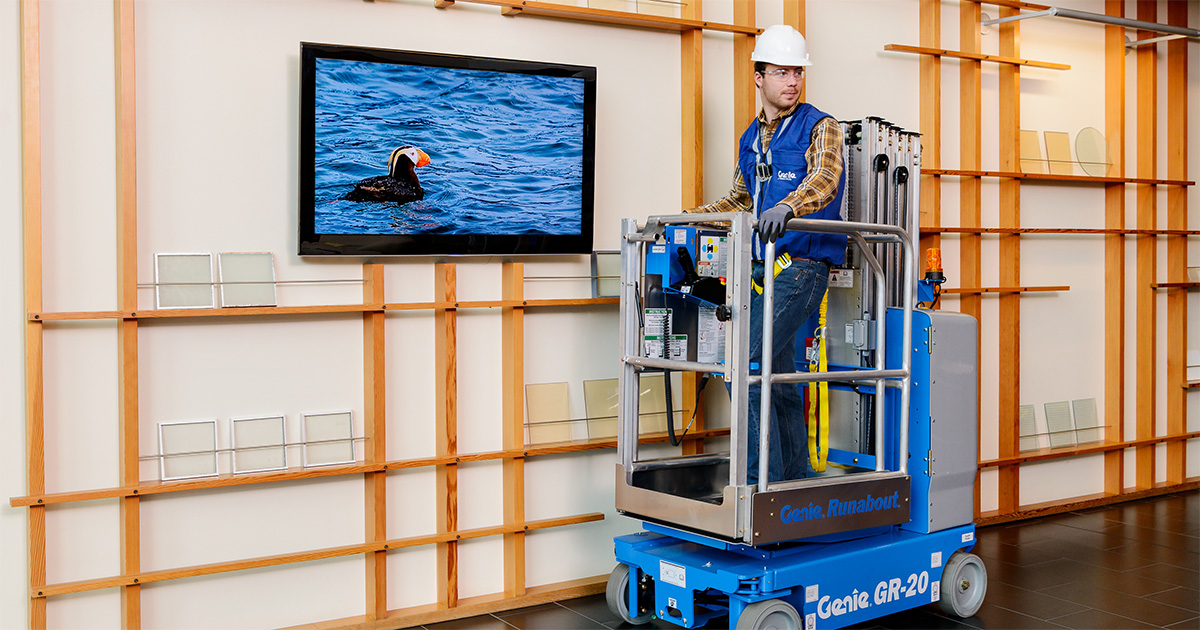
As urbanization accelerates and industries continue to expand, the demand for efficient, space-saving, and reliable vertical transportation solutions has never been greater. Traditional elevators, while effective in many settings, often struggle with limitations in compact or confined environments. This is where Mast Elevator come in—an innovative solution designed to address the unique challenges posed by modern construction, logistics, and industrial operations.
In this blog, we will explore why mast elevators are considered the future of compact vertical transportation, their key features, benefits, and the diverse applications across various sectors.
What is a Mast Elevator?
A mast elevator is a specialized vertical lift system characterized by its compact design and streamlined operation. Unlike traditional elevators that rely on complex pulley systems or counterweights, mast elevators use a simple mast structure (usually a rigid steel or aluminum guide rail) that supports and guides the lift. This setup allows mast elevators to be installed in tighter spaces while maintaining stability and efficiency.
The modular and versatile nature of mast elevators makes them ideal for situations where space is at a premium or where standard elevator systems are impractical. Whether in industrial environments, construction sites, or temporary installations, mast elevators offer a unique blend of reliability, adaptability, and performance.
Key Features of Mast Elevators
Mast elevators have distinct features that set them apart from conventional elevator systems. These features are at the core of why they are gaining popularity as the go-to solution for compact vertical transportation:
- Compact and Space-Saving Design: Mast elevators are specifically designed for environments where space is limited. The mast structure takes up minimal room, allowing for installation in narrow shafts, confined areas, or places where traditional elevators would be impossible to fit.
- Modular and Customizable Construction: The modular nature of mast elevators means they can be easily customized to meet specific height requirements, load capacities, and operational needs. This flexibility is especially valuable in industries with unique specifications, such as construction, warehousing, and maintenance.
- Simple and Efficient Mechanism: Unlike traditional elevators, which often involve complex cable and counterweight systems, mast elevators operate on a direct drive mechanism guided by the mast. This straightforward approach reduces mechanical complexity, leading to fewer maintenance needs and greater operational reliability.
- Enhanced Safety Features: Safety is paramount in any vertical lift system, and mast elevators are no exception. Advanced safety features like emergency stop systems, overload protection, and secure locking mechanisms ensure safe operation even in challenging conditions.
- Scalability and Versatility: Mast elevators can be adapted for both temporary and permanent installations. They are scalable, allowing for extensions or modifications as operational needs change. This versatility makes them suitable for a wide range of applications, from short-term construction projects to long-term industrial use.
Benefits of Mast Elevators in Compact Vertical Transportation
The growing adoption of mast elevators can be attributed to the numerous advantages they offer over traditional vertical lift solutions. Here’s how mast elevators are shaping the future of compact transportation:
- Maximizing Space Efficiency: Space is a critical factor in modern architecture and industrial design. Mast elevators provide an ideal solution for buildings or facilities with limited space. By occupying minimal footprint and using slim mast structures, they optimize available space without compromising on functionality.
- Cost-Effective Installation and Maintenance: The simplicity of mast elevators translates into lower installation and maintenance costs. With fewer moving parts and a straightforward design, these elevators require less frequent servicing and experience fewer breakdowns. This makes them a cost-effective choice, particularly in settings where budget considerations are important.
- Adaptability to Challenging Environments: Mast elevators excel in environments that present challenges for traditional lift systems. Whether it’s operating in harsh weather conditions, navigating narrow shafts, or providing access to temporary structures, mast elevators can be adapted to meet these specific challenges. Their robust construction ensures reliable performance, even in demanding situations.
- Improved Operational Flexibility: In industries like construction and logistics, operational flexibility is key. Mast elevators can be rapidly deployed, moved, or reconfigured as project requirements evolve. Their adaptability makes them suitable for both indoor and outdoor use, providing a versatile solution across diverse applications.
- Energy Efficiency: Energy efficiency is increasingly important in today’s eco-conscious world. Mast elevators often use energy-efficient motors and control systems, reducing energy consumption compared to traditional elevators. This is especially beneficial in industrial or commercial settings where continuous operation is required.
Applications of Mast Elevators Across Different Sectors
Mast elevators have found applications in a wide range of sectors due to their versatility and performance. Here are some key industries where mast elevators are making a significant impact:
- Construction Industry: In the construction sector, mast elevators are invaluable for transporting workers, tools, and materials to elevated work areas. Their ability to be quickly installed and moved makes them ideal for temporary access solutions on high-rise projects. Additionally, mast elevators can be customized to accommodate varying loads, ensuring that they meet the specific demands of construction sites.
- Industrial Warehousing and Logistics: In warehousing and logistics, where vertical space is crucial for maximizing storage capacity, mast elevators offer a practical solution. They can be integrated into automated storage systems or used for manual access to high shelves. Their compact design ensures that storage space is not compromised while providing reliable vertical access.
- Maintenance and Facility Management: For maintenance teams responsible for managing tall structures, such as bridges, towers, and high-rise buildings, mast elevators provide safe and efficient access. Their portability and ease of installation make them suitable for both permanent and temporary maintenance setups, ensuring that facilities remain accessible for inspections and repairs.
- Entertainment and Event Management: Temporary event structures, such as stages, exhibition stands, and temporary buildings, often require efficient vertical access. Mast elevators are ideal for these scenarios due to their rapid setup and dismantling capabilities. Their adaptability also allows them to be tailored to the specific height and load requirements of each event.
- Mining and Offshore Operations: In extreme environments like mining sites or offshore oil platforms, mast elevators offer a reliable means of transportation for workers and equipment. Their ability to withstand harsh conditions, coupled with enhanced safety features, makes them a trusted solution for industries where safety and durability are critical.
The Future of Mast Elevators in Vertical Transportation
The trend toward compact, efficient, and flexible vertical transportation solutions is set to continue, and mast elevators are poised to play a central role in this evolution. As technology advances, we can expect further innovations in mast elevator design, including:
- Automation and Smart Technology: The integration of IoT (Internet of Things) and smart technology will enable more intelligent control systems, allowing mast elevators to be monitored and controlled remotely. This will lead to improved efficiency, predictive maintenance, and enhanced user experience.
- Sustainable and Eco-Friendly Designs: As industries prioritize sustainability, mast elevators are likely to incorporate more eco-friendly materials and energy-efficient systems. This will not only reduce their environmental impact but also align with green building standards.
- Enhanced Modular Systems: Future developments may see even more advanced modular designs, allowing mast elevators to be easily reconfigured or upgraded as operational needs change. This will further extend their lifespan and adaptability.
Conclusion: Embracing the Future with Mast Elevators
Mast elevators represent a significant leap forward in vertical transportation, offering a solution that is both compact and versatile. Their ability to adapt to diverse environments, combined with their space-saving design and cost-effective operation, makes them an attractive option across various industries.
As businesses and cities continue to grow vertically, the demand for innovative access solutions will only increase. By investing in mast elevators, industries can future-proof their operations with technology that is efficient, reliable, and ready to meet the challenges of tomorrow.