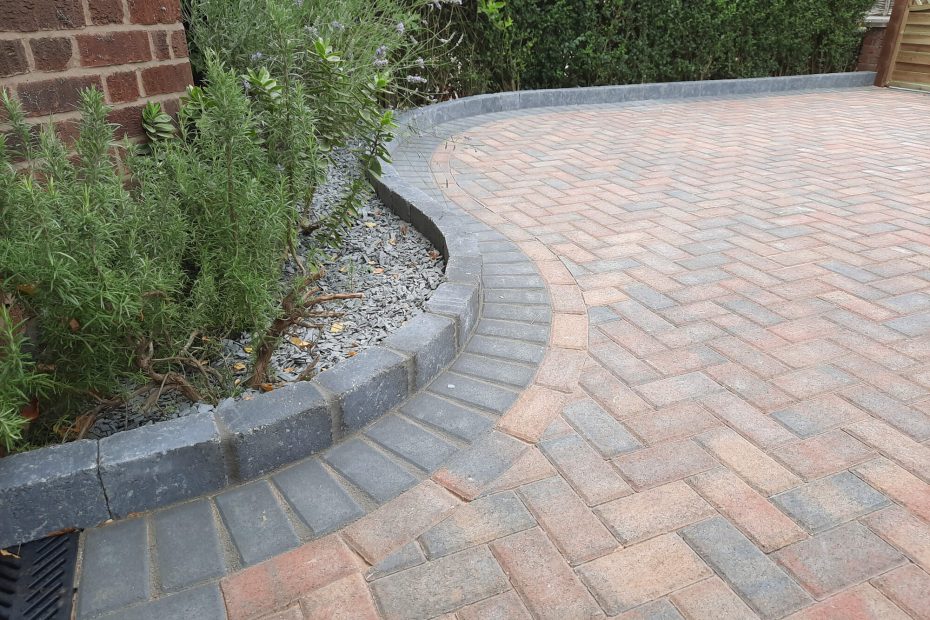
Block paving is one of the most versatile and visually appealing ways to enhance your outdoor space. Whether you’re upgrading a tired driveway, refreshing your garden paths, or adding definition to your patio, Block paving offers endless design possibilities. With a wide range of materials, patterns, and color options available, it’s easy to find a style that suits your home’s architecture and your personal taste. This guide explores creative and practical block paving ideas that can elevate the look and function of your driveway and garden paths, regardless of the size or shape of your space.
Why Choose Block Paving for Outdoor Spaces
Block paving is known for its durability, low maintenance, and aesthetic appeal. It’s a popular choice for driveways and pathways because it can withstand heavy foot and vehicle traffic while retaining its appearance over time. Unlike concrete slabs or gravel, block paving allows for flexibility and movement, reducing the chances of cracking. It also offers better drainage solutions, helping to manage rainwater efficiently and reduce the risk of surface flooding. In terms of value, a well-designed block-paved driveway or path can significantly enhance curb appeal and potentially increase the resale value of your property.
Exploring Different Block Paving Materials
One of the key factors in designing with block paving is selecting the right material. Concrete blocks are widely used due to their affordability and variety in color and shape. They can be dyed to resemble natural stone or arranged in creative patterns for a customized look. Clay bricks are another option, offering a rich, timeless appearance that weathers beautifully over time. Although more expensive, they are extremely durable and retain their color even with long-term exposure to the elements. Natural stone such as granite, sandstone, or limestone adds a luxurious finish to pathways and driveways. Each stone block has a unique texture and hue, creating a one-of-a-kind surface. Reclaimed bricks are ideal for rustic or vintage-style homes, contributing character and sustainability to your design.
Stylish Patterns That Make a Statement
Pattern plays a major role in how your block paving will look and feel. The herringbone pattern is both visually striking and structurally sound, making it ideal for high-traffic driveways. It interlocks tightly, providing excellent load distribution and durability. Basketweave and stretcher bond patterns are simple yet classic, perfect for garden paths or areas with a traditional design aesthetic. For a more contemporary look, consider laying blocks in a linear or stack bond pattern, especially when using modern materials like sleek grey concrete or charcoal tones. Circular patterns or fan layouts can be used to highlight focal points, such as garden features, seating areas, or central pathways. These designs are best suited to larger spaces where their full effect can be appreciated.
Mixing Colors and Textures for Visual Interest
Color and texture are crucial in creating a unique and engaging outdoor surface. Mixing block colors can help delineate different zones or create subtle borders around driveways and paths. For example, a light-colored main area paired with a darker border can frame the space and add depth. Earth tones like browns, terracottas, and greys work well with traditional or cottage-style homes, while sleek blacks, whites, and silvers suit modern aesthetics. Textured blocks not only provide grip and prevent slipping but also add tactile interest. Some blocks have a tumbled or weathered finish for a rustic appearance, while others are smooth and polished for a clean, contemporary vibe.
Functional Edging and Borders That Elevate the Look
Edging is more than just a finishing touch—it provides definition and structure to block paving installations. Using contrasting blocks as edging helps create visual separation between different elements of the landscape, such as lawns, flower beds, or gravel areas. Raised edges can also serve practical purposes, such as containing soil or preventing vehicle overrun on driveways. For curved garden paths, flexible edging options are essential to follow natural contours. Consider using decorative kerbs or stone setts to create borders that are not only functional but also decorative. This extra layer of detail adds polish and a sense of completion to your outdoor design.
Integrating Greenery with Block Paving
Incorporating greenery into your block paving design can soften the look and make the space feel more organic. Leave gaps between certain pavers to allow low-growing plants like moss, thyme, or creeping sedum to flourish. These living joints break up the hardscape and introduce texture, scent, and color. Planters, flower beds, or hedges can be positioned along paved paths or driveways to create contrast and movement. Trees or large shrubs placed strategically within paved areas can also serve as natural focal points. Using block paving around garden features helps tie the landscaping together, creating cohesion between hardscape and softscape elements.
Block Paving for Slopes and Uneven Terrain
Block paving is a smart choice for sloped or uneven outdoor areas because it can be laid with slight adjustments to accommodate the landscape. Using retaining walls or terraced steps made from matching materials helps maintain structural integrity and visual continuity. On steep driveways, choose textured or grooved blocks that offer extra traction. Drainage channels can be integrated into the paving design to manage runoff effectively. Incorporating curves and contours into the layout can create a more natural flow, especially for garden paths that wind through flower beds or around water features.
Lighting and Accessories to Enhance Block Paving
Lighting can completely transform how your paved areas look and feel after dark. Low-level LED lights embedded between blocks or along path edges provide both safety and ambiance. Uplighting around trees or structures highlights vertical elements, while string lights or lanterns above seating areas create a warm, inviting atmosphere. Water features such as fountains or rills bordered with block paving can act as focal points, particularly when illuminated. Outdoor furniture, planters, sculptures, or benches placed on or around paved areas help define zones and add functionality to the space.
Eco-Friendly Paving Ideas for Sustainable Landscaping
Sustainability is an important consideration in modern landscaping. Permeable block paving systems allow water to drain through the joints between blocks, reducing runoff and helping to recharge groundwater. These systems are particularly beneficial in urban areas where impermeable surfaces dominate. Choosing locally sourced or recycled materials can reduce the carbon footprint of your paving project. Installing solar-powered lights or reusing old bricks in new ways adds both character and environmental benefit. Pair your paved areas with native plantings that require minimal water and maintenance for an eco-friendly garden design.
Seasonal Care and Maintenance Tips
Maintaining your block paving ensures it looks great and performs well year-round. Regularly sweep the surface to remove debris and prevent moss or weed growth between the joints. Power washing is effective for removing dirt and stains but should be done with care to avoid dislodging jointing sand. Refill joints with kiln-dried sand annually to keep blocks stable and reduce movement. Apply a sealant to enhance color, repel stains, and protect against weathering. In winter, avoid using salt-based deicers that can damage surfaces—instead, opt for sand or calcium magnesium acetate. Inspect for sinking or loose blocks periodically, and address any drainage issues to prolong the life of your paving.
Bringing Your Paving Vision to Life
Whether you’re starting from scratch or updating an existing surface, block paving offers the flexibility and creativity to suit every style and budget. It allows you to combine functionality with beauty in driveways, paths, patios, and more. From sleek modern layouts to charming cobbled effects, the possibilities are endless. Think of your outdoor space as an extension of your home—every block, border, and bed contributes to the bigger picture. With careful planning and thoughtful design, block paving can dramatically enhance your property’s appearance, usability, and value.
If you’re unsure where to begin, consider experimenting with layout ideas using paper templates or digital design tools. Alternatively, start with a small section of your yard to test how different patterns and materials perform. Once you’re confident in your choices, you can expand gradually and watch your outdoor space come to life. With the right approach, block paving becomes not just a practical solution but a creative expression of your style and vision.