Introduction: Why Kung Fu for Children?
In a world where screens dominate entertainment, physical activity is declining, and attention spans are shrinking, parents are increasingly seeking enriching and active pursuits for their children. The Kung Fu Classes For Kids offer a dynamic, structured, and culturally rich alternative that goes far beyond just physical exercise. Kung Fu, a traditional Chinese martial art, is deeply rooted in discipline, respect, focus, and perseverance—qualities that can positively shape a child’s character from a young age.
While movies may portray Kung Fu as high-flying kicks and dramatic moves, in reality, it is a holistic practice that strengthens the body, sharpens the mind, and builds emotional resilience. Enrolling your child in Kung Fu can lead to physical fitness, improved focus, better behavior, self-confidence, and a lifelong appreciation for health and discipline.
Understanding Kung Fu: A Traditional Art with Modern Benefits
The term Kung Fu (功夫) means “skill achieved through hard work.” It’s not a single martial art, but rather a term that refers to various traditional Chinese martial arts systems. Styles such as Shaolin Kung Fu, Wing Chun, Hung Gar, and Wushu all fall under this umbrella, each with unique techniques, philosophies, and movements.
What makes Kung Fu unique is its combination of physical training, mental focus, and philosophical teaching. Kids aren’t just learning how to punch or kick—they’re learning how to listen, follow instructions, stay committed, and push themselves beyond perceived limits. It’s a complete mind-body workout that fosters growth in all aspects of life.
Physical Benefits of Kung Fu for Kids
Enhanced Strength and Coordination
Kung Fu involves a wide range of dynamic movements, including kicks, punches, jumps, and stances that engage the entire body. This helps children build strength in their legs, arms, and core, while also improving balance, agility, and coordination. Young practitioners often see improvements in posture, flexibility, and endurance after just a few weeks of training.
Improved Fitness and Healthy Habits
In today’s tech-centric world, many children are not getting enough exercise. Kung Fu offers an engaging and exciting way to keep kids active. The classes often include cardio drills, stretching, and strength exercises that boost overall health. These habits can carry over into adolescence and adulthood, helping children develop a lifelong appreciation for movement and physical health.
Injury Prevention and Body Awareness
Kung Fu emphasizes proper form, controlled movement, and safe falling techniques. Children learn how to move their bodies with intention and awareness, which reduces the risk of injury not only in martial arts but also in other sports and daily activities.
Mental and Emotional Development Through Kung Fu
Discipline and Focus
One of the most noticeable changes parents see after enrolling their child in Kung Fu is improved discipline and concentration. Classes follow a clear structure: students line up, bow to their instructor, respond to commands, and repeat techniques until mastered. These practices teach kids to stay focused, follow directions, and complete tasks—skills that translate well to school and home life.
Confidence and Self-Esteem
As children progress through their training, earn new belts, and master more complex techniques, their confidence naturally grows. They learn that hard work leads to success and that they’re capable of achieving difficult goals. This boosts self-esteem and empowers children to face challenges in and out of the dojo with a can-do attitude.
Emotional Regulation and Resilience
Kung Fu teaches children how to manage frustration, disappointment, and failure in a constructive way. Whether it’s struggling to learn a new form or losing in a friendly sparring match, students are encouraged to persevere and try again. These experiences build emotional resilience, patience, and a growth mindset.
Social Skills and Character Building
Respect and Courtesy
Respect is a fundamental pillar of all martial arts, and Kung Fu is no exception. Children are taught to show respect to their instructors, peers, and themselves. They bow before and after class, listen attentively, and are reminded that Kung Fu is not about violence, but about control, protection, and integrity.
Cooperation and Teamwork
Though Kung Fu is an individual practice, many drills involve partner work, group activities, and team challenges. These exercises teach children how to communicate, share space, and support one another—key components of strong social development.
Leadership and Responsibility
As children advance in rank and skill, they’re often given the chance to assist younger students or lead warm-ups. These leadership opportunities encourage responsibility, humility, and mentorship, which further enrich the learning experience.
Self-Defense and Safety Skills
While self-defense is not the sole focus of kids’ Kung Fu classes, it is an important benefit. Children learn how to protect themselves in threatening situations through awareness, avoidance, and, when necessary, physical techniques.
Awareness and Conflict Avoidance
Instructors emphasize the importance of using Kung Fu only for self-defense and never for bullying or showing off. Kids are taught to stay calm, assess situations, and avoid physical confrontations when possible. These lessons help instill good judgment and situational awareness.
Practical Defense Skills
Should a dangerous situation arise, Kung Fu equips children with the tools to defend themselves confidently and responsibly. Techniques such as blocks, escapes, and strikes are taught in a controlled environment that prioritizes safety and control.
Structure of a Typical Kids’ Kung Fu Class
Warm-Up and Conditioning
Classes usually begin with dynamic warm-ups, stretching, and fitness drills that prepare the body for movement. Exercises may include jumping jacks, push-ups, squats, and core work.
Technique and Forms Training
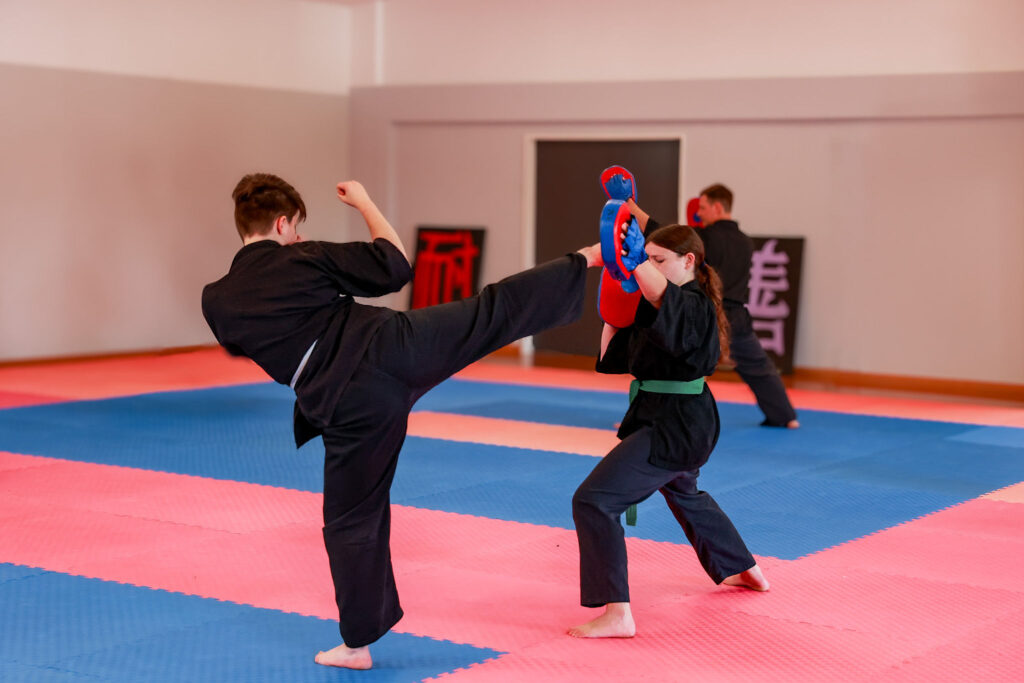
Students then move into practicing stances, strikes, kicks, and footwork. Instructors demonstrate each move before children try it, with plenty of repetition to build muscle memory. Forms (or “taolu”) are sequences of movements that teach rhythm, coordination, and technique.
Partner Drills and Games
To keep things engaging, classes often include partner drills and martial arts-themed games that reinforce technique in a fun and social way. These may involve light sparring, reaction drills, or balance challenges.
Cool Down and Reflection
At the end of class, students cool down with stretching or breathing exercises and are often invited to reflect on the lesson of the day, such as patience, respect, or effort.
Finding the Right Kung Fu School for Your Child
When choosing a Kung Fu school for your child, consider the following factors:
Instructor Qualifications
Look for experienced instructors who specialize in working with children. They should be patient, positive, and capable of creating a safe and respectful learning environment.
Age-Appropriate Curriculum
The school should offer programs tailored to children’s developmental stages, with clear progression in skill levels and belts.
Emphasis on Values and Safety
The best Kung Fu schools go beyond technique and prioritize values, personal growth, and emotional safety. Visit a class to observe how the instructor interacts with students and handles discipline.
Class Size and Environment
Smaller class sizes often allow for more individual attention. The environment should be clean, organized, and welcoming to both students and parents.
Common Misconceptions About Kung Fu for Kids
“Kung Fu is too aggressive for children.”
In reality, Kung Fu emphasizes control, humility, and respect, not aggression. Children are taught that martial arts are a last resort and are discouraged from using their skills outside of a structured or self-defense context.
“It’s only for boys.”
Kung Fu is equally beneficial for girls. Many girls thrive in martial arts, gaining confidence, strength, and self-assurance that empowers them in all areas of life.
“My child isn’t athletic enough.”
Kung Fu is designed to be inclusive and suitable for all fitness levels. The goal is progress, not perfection. Children improve over time through consistent practice and encouragement.
The Long-Term Benefits of Kung Fu
Many children who begin Kung Fu at a young age continue their training through adolescence and even into adulthood. The discipline, focus, and confidence they gain become integral to their academic success, social interactions, and personal growth.
Better Academic Performance
Studies have shown that martial arts training can improve executive function, memory, and behavior in children, leading to better performance in school.
Stronger Family Relationships
Children who practice Kung Fu often demonstrate greater respect at home, better emotional control, and a stronger sense of responsibility, making family dynamics more harmonious.
Lifelong Confidence and Health
The habits and mindset developed in martial arts extend far beyond childhood. Many adult practitioners trace their self-discipline, resilience, and commitment to the values they learned in their first martial arts classes.
Conclusion: A Gift That Lasts a Lifetime
Kung Fu classes for kids offer much more than kicks and punches. They provide a foundation for personal growth, lifelong fitness, emotional strength, and strong character. In a fun and engaging environment, children learn how to focus, push themselves, handle adversity, and respect others—all while getting stronger and healthier.
Whether your child is energetic, shy, anxious, or just in need of a new challenge, Kung Fu can be a powerful tool to help them grow into their best self. It’s more than an activity—it’s a journey of transformation that begins with one class and can shape a lifetime.