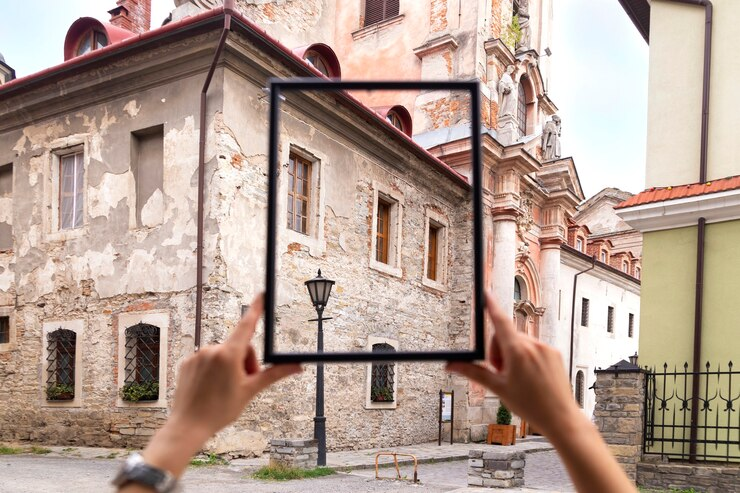
Old buildings possess an irreplaceable charm and style that is missing in modern constructions. However, old buildings mostly come with their own set of challenges, ranging from infrastructure discrepancies to outdated amenities. Upgrading an old building is not only restricted to preserving history, instead, it is a lot more than that.
It’s about injecting a new life into a space while maintaining the honor and respect of its heritage. However, be it a complete restoration of a historic landmark or a renovation of a traditional property, the following tips will ease your way and assist you achieve a successful outcome. To learn more, keep reading till the end.
1. Preserve Architectural Integrity
Firstly, preserving the original architectural attributes is the key to restoring an older building. Before implementing any modifications, examine the original design and method of construction and then interpret them properly beforehand. So that you are aware of what needs to be done. Pay attention to the prominent architectural features such as moldings, trims, doors, windows, lobby, etc.
Prioritize such things that need to be upgraded. Seek luxury commercial contracting assistance to establish a restoration plan that perfectly restores the property’s prominent features while maintaining safety standards and historic significance.
2. Upgrade Infrastructure and Utilities
Secondly, for the proper functioning of the building, the infrastructure and utilities such as plumbing, HVAC, and electrical systems need modernization. Along with the upgradation of these important elements, chimney rebuilding is also a matter of concern which can be a focal point of the living room.
However, make certain that you ensure efficiency, power conservation, and environment sustainability while working on restoring the building. Think about energy efficiency options like efficient appliances, lighting, and insulation which will help minimize environmental pollution in your home and save money in the operation and maintenance costs in the future.
3. Modernize Amenities and Features
It is certainly true that old buildings must be respected. Hence, restoration must be done while retaining their historical elements. But modern standards of comfort and equipment could make them more attractive and convenient for the new public. To begin with, include modern amenities such as high-speed internet, smart technologies, green appliances or technology, etc.
Opting strategies such as converting old warehouses into studio apartments or turning the historic schools into mixed-use properties, can upgrade old spaces and satisfy the requirements of the modern occupants.
4. Enhance Accessibility and Safety
Access is among the main issues while revamping an old building, especially when you have an intention to retain it as a commercial or public property. Assess the design of the building layout. Try to make it accessible for people with disabilities by installing ramps, elevators, and accessible washrooms.
However, besides that, include safety measures like a fire suppression system, emergency exits, and seismic retrofitting, to ensure protection of the occupants from any calamity. Following the codes of buildings along with accessibility standards is important so that safety and a safe living environment can be guaranteed for all.