The Giant Calotrope: A Majestic Wonder of the Plant Kingdom
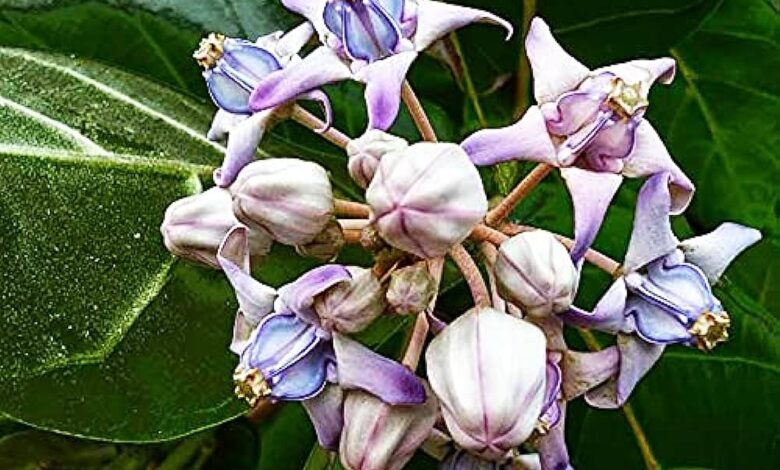
Nature never ceases to amaze us with its diverse array of flora and fauna. One such marvel of the plant kingdom is the Giant Calotrope (Calotropis gigantea). Towering over its surroundings with its imposing stature and boasting an array of unique features, this majestic plant captivates the attention of botanists and nature enthusiasts alike. In this article, we delve into the enchanting world of the Giant Calotrope and explore its fascinating characteristics.
Read About: Types of Rattlesnake Plant
Description and Habitat
The Giant Calotrope, also known as Crown Flower or Giant Milkweed, is a large perennial shrub native to Southeast Asia and tropical regions of Africa. It belongs to the Apocynaceae family, which includes other well-known plants like Oleander. With an average height ranging from 1.5 to 2.5 meters (5 to 8 feet), the Giant Calotrope stands tall and commands attention with its grandeur.
Distinctive Features
What sets the Giant Calotrope apart are its distinctive features. The plant boasts large, waxy leaves that are arranged in an alternate pattern along its sturdy stems. The leaves are thick, elongated, and possess a grayish-green hue, which helps to conserve water in arid conditions.
One of the most captivating aspects of the Giant Calotrope is its stunning flowers. Blooming in clusters at the top of the plant, the flowers display a vibrant array of colors including shades of purple, lavender, pink, and white. Each flower consists of five petals, which fold backward to expose the corona—a crown-like structure consisting of five hoods filled with nectar.
Ecological Significance
The Giant Calotrope plays a crucial role in supporting biodiversity. Its abundant nectar acts as a magnet for various pollinators, including bees, butterflies, and birds. These pollinators, in turn, facilitate cross-pollination, aiding the plant’s reproductive cycle. Additionally, the Giant Calotrope serves as a host plant for the larvae of certain butterfly species, providing them with a food source and a sheltered habitat.
Traditional Uses and Medicinal Properties
For centuries, the Giant Calotrope has been intertwined with human culture and traditional practices. Various parts of the plant, such as the flowers, leaves, and latex, have been utilized for their medicinal properties. In traditional medicine, the milky latex derived from the stems and leaves of the Giant Calotrope is believed to possess antimicrobial, anti-inflammatory, and analgesic properties. It has been used to treat ailments such as skin diseases, dysentery, asthma, and even snakebites. However, it is important to note that further scientific research is required to validate these traditional claims. Read also turn off vpn on iphone
Cultivation and Landscaping
Due to its striking appearance and low maintenance requirements, the Giant Calotrope has also found a place in landscaping and ornamental gardening. It can thrive in a range of soil conditions, including sandy and rocky soils, making it adaptable to different environments. However, it thrives best in full sunlight and warm climates. Its tall and dramatic presence makes it an excellent choice for creating focal points in gardens or as a statement plant in large containers.
Threats and Conservation Efforts for the Giant Calotrope Flower
The Giant Calotrope (Calotropis gigantea) is a plant species native to South Asia and other tropical regions. It is known for its large, showy flowers and its ability to grow in arid and marginal lands. While it is not currently listed as an endangered species, there are certain threats to its existence and conservation efforts that can help protect it. Here are some of the threats and conservation measures associated with the Giant Calotrope flower:
Threats to the Giant Calotrope Flower:
Habitat Loss:
The conversion of natural habitats for agriculture, urbanization, and infrastructure development can lead to the loss of suitable habitats for the Giant Calotrope flower. This threat is particularly relevant in rapidly developing regions.
Invasive Species:
Invasive plant species, such as the Prosopis juliflora (mesquite), can outcompete and displace native plant species, including the Giant Calotrope. These invasions can negatively impact the abundance and distribution of the flower.
Overexploitation:
The Giant Calotrope flower has traditional medicinal uses, and its various parts are used in herbal remedies. Overharvesting for these purposes, without proper regulations and sustainable practices, can deplete local populations.
Conservation Efforts
Protected Areas:
Establishing protected areas, such as national parks or nature reserves, can help conserve the habitats where the Giant Calotrope flower occurs. These areas can provide legal protection and management measures to safeguard the species and its habitat.
Habitat Restoration:
Efforts should be made to restore and rehabilitate degraded habitats to support the growth of the Giant Calotrope flower. This can involve reforestation, soil conservation, and the removal of invasive species to improve the overall health and resilience of the ecosystem.
Sustainable Harvesting:
Promoting sustainable practices for the use of the Giant Calotrope flower in traditional medicine is crucial. Educating local communities about sustainable harvesting techniques, encouraging the cultivation of the species, and implementing regulations can help prevent overexploitation.
Research and Monitoring:
Conducting research on the ecology, biology, and population dynamics of the Giant Calotrope flower is essential for its conservation. Regular monitoring of population trends and distribution can provide valuable information for conservation planning and management decisions.
Community Engagement:
Involving local communities in conservation efforts and raising awareness about the ecological importance of the Giant Calotrope flower can foster a sense of stewardship and encourage sustainable practices. Community-led initiatives, such as seed banks or community-managed conservation areas, can also contribute to the long-term conservation of the species.
It Is important to note that the specific conservation measures may vary depending on the region and local context. Conservation efforts for the Giant Calotrope flower should be integrated into broader conservation strategies and take into account the needs of other plant and animal species in the ecosystem.
Conclusion
The Giant Calotrope, with its imposing size, exquisite flowers, and intriguing ecological role, is undoubtedly a captivating wonder of the plant kingdom. From its traditional uses in medicine to its aesthetic appeal in landscaping, this majestic plant continues to enchant and inspire people around the world. As we delve deeper into the mysteries of the natural world, the Giant Calotrope reminds us of the boundless beauty and significance that lies within the intricate web of life on our planet.


