From Fiction to Fame: Real Brands Partnering with AI Influencers in 2025
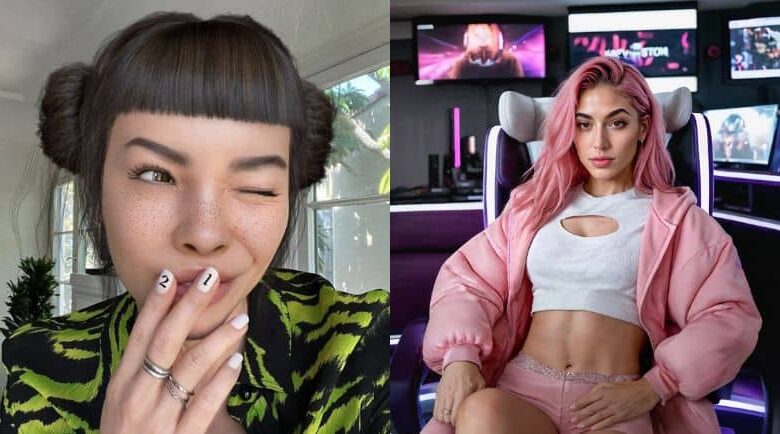
Once considered a quirky novelty, AI influencers have now entered the mainstream spotlight, capturing the attention of millions across social media platforms. No longer just computer-generated art or experimental characters, they have become powerful marketing tools—and in 2025, real-world brands are not just noticing them; they’re hiring them.
From fashion giants and luxury labels to tech startups and skincare lines, businesses are leveraging AI influencers for high-impact digital campaigns. This article explores how AI influencers have gone from fiction to fame and examines the real brands that are now working with them in 2025.
A Quick Recap: What Is an AI Influencer?
An AI influencer is a digital persona created using 3D modeling, artificial intelligence, and animation software. These influencers mimic the behavior and appearance of human content creators, but their every word, pose, and action is the result of programming and creative design.
They exist on platforms like Instagram, TikTok, YouTube, and even in the metaverse. Many of them have millions of followers, unique personalities, and signature styles—and unlike their human counterparts, they never get tired, never age, and are never embroiled in scandal.
Why Are Brands Partnering with AI Influencers?
In 2025, brands are choosing AI influencers for several compelling reasons:
1. Full Creative Control
AI influencers can be scripted and directed to behave exactly as the brand wants—no improvisation, no off-brand behavior.
2. Polished Visual Aesthetic
AI influencers can be styled in any outfit, appear in any setting, or perform impossible actions—offering limitless creativity for marketing visuals.
3. Scalability
Brands can generate weeks of content in a few days using AI, saving on production costs and time.
4. Gen Z and Alpha Appeal
Younger generations who are growing up in digital-first environments are more open to virtual relationships and fandoms, making AI influencers highly effective at targeting these audiences.
Top AI Influencers Brands Are Working With in 2025
Let’s explore some of the top AI influencers in 2025 and the real brands they’ve partnered with:
1. Lil Miquela – Virtual Fashion Icon
-
Background: Created in 2016, Lil Miquela is one of the original AI influencers. With her freckled face, streetwear style, and social activism, she’s a virtual celebrity in her own right.
-
Brands in 2025:
-
Prada: Continues to work with Miquela for fashion week digital showcases.
-
Samsung: Used her for a virtual reality campaign targeting younger, tech-savvy consumers.
-
MAC Cosmetics: Released an exclusive “Miquela-inspired” makeup kit promoted on Instagram Reels.
-
2. Noonoouri – The Digital Doll of Luxury Fashion
-
Background: With a cartoonish yet high-fashion aesthetic, Noonoouri is a CGI model known for promoting ethical fashion and vegan beauty.
-
Brands in 2025:
-
Dior: Launched a 2025 spring collection campaign featuring Noonoouri walking a virtual Parisian runway.
-
H&M Conscious: Used her image in sustainability-themed Instagram campaigns.
-
Cartier: Featured her in a 3D jewelry try-on experience via AR.
-
3. Shudu – The World’s First Digital Supermodel
-
Background: Known for her stunningly realistic features and poised elegance, Shudu has been featured in many high-end fashion spreads.
-
Brands in 2025:
-
L’Oréal: Created an AI-generated skincare tutorial starring Shudu.
-
Balmain: Released a metaverse-exclusive fashion drop with her as the face of the campaign.
-
Nike: Collaborated with her for a women’s empowerment series in both virtual and physical store integrations.
-
New AI Influencers Gaining Ground in 2025
As technology has advanced, new AI influencers have emerged and gained traction—some built specifically for brand collaboration.
1. RAI (Retail AI)
-
Built By: A major e-commerce startup to serve as their virtual spokesperson.
-
2025 Collaborations:
-
Promotes flash sales in Instagram Stories.
-
Appears in metaverse pop-up shops to assist digital shoppers.
-
Uses real-time AI to respond to product questions in comment sections.
-
2. Eva Code – The AI Tech Reviewer
-
Niche: Gadgets, apps, gaming hardware.
-
2025 Collaborations:
-
Works with brands like Sony, ASUS, and Oculus to showcase product demos.
-
Hosts YouTube tech unboxings with AI narration.
-
Her reviews are based on real-time AI sentiment analysis and user feedback scraping.
-
How These Collaborations Work Behind the Scenes
Brand partnerships with AI influencers look sleek on the surface, but behind the scenes, they involve a blend of marketing, technology, and storytelling.
Step-by-Step Breakdown:
-
Briefing: Brands provide a campaign brief just like they would for a human influencer—target audience, goals, messaging, tone.
-
Creative Scripting: Writers and marketers script the captions, product mentions, and dialogue.
-
Visual Production: Designers animate or render images/videos of the AI influencer wearing, using, or endorsing the product.
-
Scheduling & Launch: Content is posted and monitored, often with real-time AI used to engage with commenters.
-
Analytics: Data on reach, engagement, click-through rates, and ROI are collected and used to improve future collaborations.
Types of Campaigns Brands Are Running in 2025
AI influencers are now being integrated into every major campaign type, from product launches to immersive digital experiences.
1. Social Media Takeovers
Some AI influencers “take over” a brand’s Instagram or TikTok for a day, offering behind-the-scenes content, Q&As, or shopping guides.
2. Augmented Reality (AR) Try-Ons
AI influencers now appear in AR apps where users can see products—like sunglasses, lipstick, or sneakers—on the AI model and themselves simultaneously.
3. Virtual Fashion Shows
Luxury fashion houses host fully virtual runways, where AI influencers walk, pose, and even “interact” with digital crowds.
4. Narrative Campaigns
Brands create serialized storylines around AI influencers. Example: A sportswear brand might follow an AI athlete’s “training journey” leading up to a virtual marathon.
The Impact on Traditional Influencer Marketing
With the rise of AI influencers, the influencer industry in 2025 is more diversified than ever. While AI influencers offer advantages in scalability and control, human influencers still lead in emotional connection and trust.
Some brands now run hybrid campaigns, pairing AI with human influencers to blend credibility and creativity.
For example:
-
A travel company might show a human influencer visiting a real destination while their AI counterpart shares a futuristic or fantasy version of the same trip.
-
A makeup brand could feature a real tutorial by a beauty influencer, followed by an AI model showcasing the same look in different lighting and skin tones.
Public Perception: Are People Following AI Influencers?
Yes—millions are. In 2025, the novelty has worn off, and audiences have become more accepting of virtual personas. Many users follow AI influencers not just for the visuals, but for the creativity, storytelling, and world-building.
Some AI influencers even have fan clubs, merch stores, and fictional romances—complete with fanfiction and ship hashtags.
Of course, transparency remains key. Most followers know these influencers aren’t “real,” but that doesn’t reduce their entertainment or influence value.
Challenges Brands Still Face
Despite their appeal, working with AI influencers comes with challenges:
-
Authenticity: AI influencers can’t offer “real” experiences or emotions.
-
Ethical Questions: Critics question whether marketing through AI blurs the line between fiction and manipulation.
-
Cultural Sensitivity: Without life experience, AI influencers risk posting insensitive content unless carefully managed.
-
Algorithmic Limitations: AI response models sometimes produce generic or robotic replies, reducing engagement quality.
Brands must weigh these factors when deciding how to incorporate AI into their influencer strategies.
The Future: What Comes Next?
Looking ahead, we can expect even more advanced collaborations between brands and AI influencers. Trends for 2026 and beyond may include:
1. Voice-Activated AI Ambassadors
AI influencers that respond to voice commands and engage in real-time voice conversations with fans.
2. Digital-Physical Hybrid Influencers
Real models or influencers who “license” their likeness to AI brands for clone avatars.
3. Smart Influencer Networks
Multiple AI influencers from one company, each targeting different demographics, countries, or languages—like a virtual global ambassador team.
4. Emotional AI Integration
AI influencers that detect user mood and adjust their tone, music, or content style accordingly—creating emotionally intelligent digital relationships.
Final Thoughts
In 2025, what began as fiction has become a powerful digital marketing force. Brands across industries are tapping into the influence of AI personas to craft innovative, engaging, and scalable campaigns. While they don’t eat, sleep, or breathe, these influencers are very real in terms of their impact, reach, and value.
Whether loved or questioned, AI influencers are now part of the marketing mainstream. For brands looking to break boundaries, appeal to younger audiences, or dominate the digital world, AI influencers may just be the perfect partners.


