Essential Guide to Understanding Gangrene
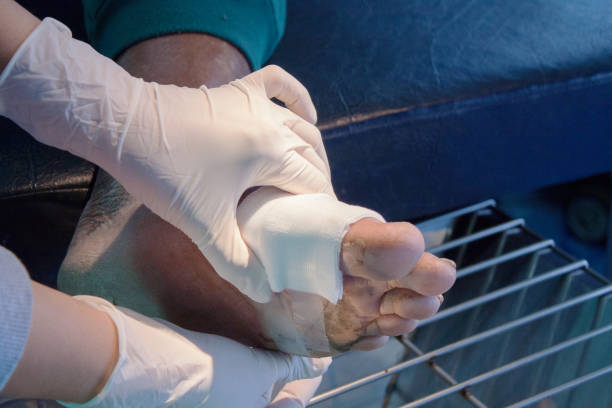
Gangrene is a serious and potentially life-threatening condition that occurs when a significant portion of body tissue dies due to a lack of blood supply, infection, or both. It most commonly affects the extremities, such as the toes, fingers, feet, and hands, but can also occur in muscles and internal organs. Understanding the causes, symptoms, types, and treatment options for gangrene is crucial for early detection and effective management, which can ultimately save lives and prevent severe complications.
What is Gangrene?
Gangrene is the death of body tissue due to a loss of blood supply, often compounded by a bacterial infection. The condition can develop rapidly and is considered a medical emergency. Gangrene can occur when the blood flow to a particular area of the body is cut off, typically due to an underlying condition such as peripheral vascular disease (PVD), diabetes, or trauma.
Types of Gangrene
There are several types of gangrene, each with its own set of causes and characteristics:
- Dry Gangrene: Dry gangrene occurs when blood flow to a specific area of the body is gradually reduced, often due to atherosclerosis or diabetes. The affected tissue becomes dry, shriveled, and dark in color, typically brown, purple, or black. Dry gangrene progresses slowly and is usually not accompanied by infection. However, it can become infected and progress to wet gangrene if not treated promptly.
- Wet Gangrene: Wet gangrene is characterized by the presence of a bacterial infection in the affected tissue. This type of gangrene often occurs after a severe injury or burn where the tissue is exposed to bacteria. Wet gangrene spreads rapidly and can be fatal if not treated immediately. The affected area may appear swollen, and blistered, and have a foul odor due to the presence of infection.
- Gas Gangrene: Gas gangrene is a particularly severe form of wet gangrene caused by infection with Clostridium bacteria. These bacteria produce toxins and gas bubbles within the tissue, leading to rapid tissue death. Gas gangrene is a medical emergency and requires immediate treatment to prevent the spread of the infection, which can be fatal if it reaches the bloodstream.
- Internal Gangrene: Internal gangrene affects the organs inside the body, such as the intestines, gallbladder, or appendix. It occurs when blood flow to an internal organ is blocked, often due to a hernia, blood clot, or other condition. Internal gangrene can be difficult to diagnose and is life-threatening without prompt surgical intervention.
- Fournier’s gangrene: Fournier’s gangrene is a rare but severe form of gangrene that affects the genital region. It typically results from an infection in the genitals or urinary tract and spreads rapidly, causing tissue death. Fournier’s gangrene requires emergency treatment to prevent widespread infection and other serious complications.
Causes and Risk Factors of Gangrene
Several factors can contribute to the development of gangrene, often involving a combination of reduced blood flow and bacterial infection. Common causes and risk factors include:
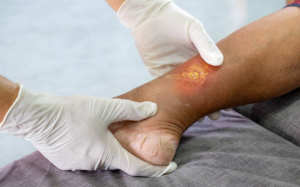
- Peripheral Vascular Disease (PVD): Reduced blood flow to the extremities due to narrowed or blocked arteries can lead to tissue death and gangrene.
- Diabetes: High blood sugar levels can damage blood vessels and nerves, reducing circulation and increasing the risk of infection, both of which can lead to gangrene.
- Severe Injury or Trauma: Deep wounds, burns, frostbite, or crush injuries can damage blood vessels and expose tissue to infection, increasing the risk of gangrene.
- Infections: Bacterial infections, particularly those involving Clostridium bacteria, can rapidly spread and cause tissue death, leading to wet or gas gangrene.
- Compromised Immune System: Individuals with weakened immune systems due to conditions like HIV/AIDS or cancer are more susceptible to infections that can result in gangrene.
- Smoking: Smoking damages blood vessels, reduces circulation, and increases the risk of developing conditions that can lead to gangrene.
Symptoms of Gangrene
The symptoms of gangrene can vary depending on the type and location of the condition but may include:
- Discoloration of the Skin: The affected area may turn red, purple, black, or green, depending on the type of gangrene.
- Swelling and Pain: The area may become swollen, painful, and tender to the touch.
- Blisters or Sores: Blisters or open sores may develop on the skin, particularly in cases of wet gangrene.
- Foul Odor: A strong, unpleasant smell may be present, especially with wet or gas gangrene.
- Numbness or loss of sensation: The affected area may feel numb or lose sensation as the tissue dies.
- Fever and Malaise: In cases of infection, fever, chills, and a general feeling of illness may accompany gangrene.
If you experience any of these symptoms, especially if they occur suddenly or worsen rapidly, it is crucial to seek medical attention immediately.
Diagnosing Gangrene
Diagnosing gangrene typically involves a combination of physical examination, imaging tests, and laboratory tests. Common diagnostic methods include:
- Physical Examination: A healthcare provider will examine the affected area for signs of discoloration, swelling, blisters, and other symptoms of gangrene.
- Imaging Tests: X-rays, CT scans, or MRI scans may be used to assess the extent of tissue damage and determine if the gangrene has spread to deeper tissues or organs.
- Blood Tests: Blood tests can help identify signs of infection, such as an elevated white blood cell count, and assess overall health.
- Tissue Cultures: A sample of the affected tissue may be taken and tested in a laboratory to identify the type of bacteria present and determine the most effective treatment.
Treatment Options for Gangrene
Gangrene is a medical emergency that requires prompt and aggressive treatment to prevent the spread of infection and save as much tissue as possible. Treatment options may include:
- Surgical Debridement: Surgical removal of dead tissue is often necessary to prevent the spread of gangrene. This procedure, known as debridement, involves cutting away the affected tissue to stop the infection and allow healthy tissue to heal.
- Antibiotics: Antibiotic therapy is crucial for treating gangrene caused by bacterial infection. Intravenous (IV) antibiotics are often administered to combat the infection and prevent it from spreading.
- Amputation: In severe cases where the gangrene has spread extensively, amputation of the affected limb may be necessary to save the patient’s life and prevent further complications.
- Hyperbaric Oxygen Therapy: Hyperbaric oxygen therapy involves breathing pure oxygen in a pressurized chamber, which helps increase oxygen supply to the affected tissues and can be effective in treating certain types of gangrene, particularly gas gangrene.
- Vascular Surgery: If gangrene is caused by poor circulation due to PVD or other vascular conditions, vascular surgery may be performed to restore blood flow to the affected area. Procedures such as an angioplasty or bypass surgery can help improve circulation and reduce the risk of gangrene.
- Wound Care: Proper wound care, including cleaning, dressing, and monitoring the affected area, is essential for preventing infection and promoting healing in cases of gangrene.
To learn more about these treatment options and how they can be tailored to your needs, explore our vascular care services that provide comprehensive and personalized care.
Preventing Gangrene
Preventing gangrene involves managing the underlying conditions that increase the risk of tissue death and infection. Key preventive measures include:
- Managing Chronic Conditions: Proper management of chronic conditions such as diabetes, PVD, and high blood pressure is essential for reducing the risk of gangrene.
- Quitting smoking: Smoking damages blood vessels and reduces circulation, increasing the risk of gangrene. Quitting smoking is one of the most effective ways to protect your vascular health.
- Proper wound care: prompt and thorough care of wounds, especially in individuals with diabetes or poor circulation, is crucial for preventing infections that could lead to gangrene.
- Regular Check-Ups: Regular medical check-ups, particularly for those with risk factors for gangrene, can help detect potential issues early and prevent complications.
Conclusion
Gangrene is a serious condition that requires immediate medical attention to prevent life-threatening complications. Understanding the causes, symptoms, and treatment options for gangrene is crucial for early detection and effective management. If you or someone you know is at risk for gangrene or is experiencing symptoms, it is important to seek medical care promptly.
With the right treatment and preventive measures, it is possible to manage the condition and reduce the risk of severe complications. For more information on managing gangrene and maintaining vascular health, visit our comprehensive care page for additional resources and support.
Taking proactive steps to address the underlying causes of gangrene and seeking timely medical intervention can save lives and improve outcomes.


