Planning Your Everest Base Camp Trek with Sherpa Guides Everything You Need to Know
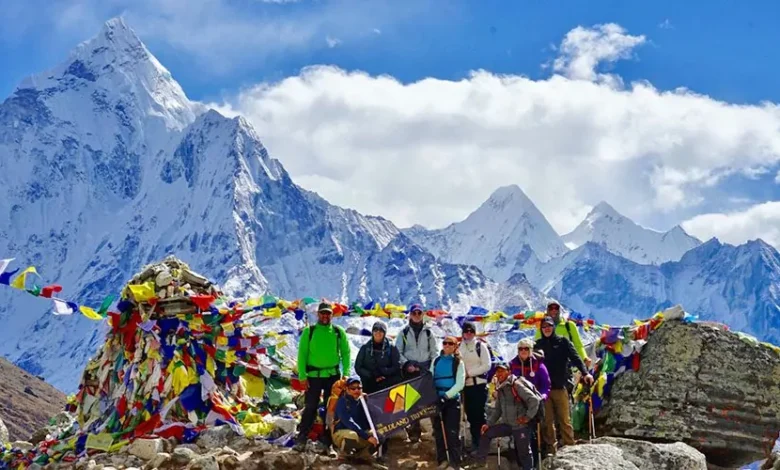
Planning an Everest Base Camp trek is a tricky exercise, however, when you are with a Sherpa guide, the whole experience becomes seamless and exciting. From planning days to your first step into the iconic base camp these guides will be of huge help throughout the complete journey. Along this journey, you are guided by sherpas whose expertise in the high Himalayas not only helps keep you safe but adds richness and depth to your trek with insight into the local culture, creating a journey that is physically rewarding and spiritually uplifting.
Everest Base Camp Trek packing list The planning of your trek starts with the best time to go. The peak seasons are spring (from March through May) and autumn (from September to November) when the weather is stable and the views are crystal clear. Sherpas advise you on your trek schedule depending on the best times to visit, with regard to local weather and altitude issues. After that, the timing is approved, and the Sherpas help organize a proper itinerary based on your physical ability and how quickly you would like to go on the trek. This is critical, for they know the importance of acclimatization to avoid altitude sickness. Their advice on when to rest, and which are the best acclimatising days, means you’re going to ascend in a safe and manageable manner.
Sherpas help with logistics like permits, transportation, and lodging on the route. There are a number of necessary permits for trekking to Everest Base Camp, and the Sherpas manage all the required paperwork, allowing trekkers to concentrate on the adventure. On the trek, they are your guardians, navigating challenging terrain, providing emotional support, and sharing stories of their cultural and spiritual connection to the mountains. Not only will you be safe but you will also be surrounded by the rich traditions and culture of the Everest region.
The best trek to Everest Base Camp with Sherpas Planning for an unforgettable experience They design everything from a trip in the Himalayas is always ideal, safe, and connected in the spirit of the Himalayas.
Overview of Everest Base Camp Trek
Here is a guide to the Everest Base Camp trek, a journey of a lifetime that passes through some of the most awe-inspiring scenery on the planet! Nestled in the Khumbu region of Nepal, this trek takes you to the base of Mount Everest, the highest mountain on the planet. The trek is approximately 130 kilometers (80 miles) long and usually takes about 12. to 14 days including acclimatization. The trek begins with a flight into Lukla, a small mountain town that serves as the gateway to the Everest region. From there, trekkers move through charming Sherpa villages, dense forests, and rushing rivers, gradually gaining altitude. Along the way, trekkers take in breathtaking views of the Himalayas, including Everest, Lhotse, and Ama Dablam. While the trek is not a technical climb, it does necessitate a decent level of fitness because of the harsh terrain and high elevations. Although one does not need climbing skills to reach Everest Base Camp itself, one must scale high-altitude trails and face extreme weather conditions, so it’s essential to be well-prepared both physically and logistically. Life is more than just ticking off boxes, it’s embracing the beauty of nature, the spirituality of the Sherpa people, and the pleasure of a world-renowned trek to Everest Base Camp.
Why Trek With Sherpa Guides
During the Everest Base Camp trek, Sherpas matter — and they matter so damn much. These guides in highly specialized areas of Nepal possess incredible knowledge about the surroundings, weather patterns, and even local customs. Guided treks with a Sherpa provide an extra layer of safety, as well as enjoyment. Sherpas often receive training in high-altitude first aid and can recognize early signs of altitude sickness, a real risk when trekking above 3,000 meters. They provide essential tips on hydration, energy management, and adapting to low oxygen availability. But Sherpas provide an enriching cultural experience beyond their technical skills. They offer keen insights into the traditions and spiritual life of the Sherpa people, engaging trekkers with the meaning behind Buddhist monasteries, prayer flags, and sacred places along the path. They know the trekking route and the terrain well, allowing trekkers to complete their journey smoothly while staying on course and avoiding hazards. Besides guiding, Sherpas also carry heavy loads, so trekkers can focus on the trek, not heavy backpacks. When trekking for adventure, spiritual connection, or as a personal challenge, you want an authentic, safe, and rewarding experience in the Everest region, for which you would always want a Sherpa guide.
Trekking Prep: Gear, Permits, and Logistics
Preparation is the key to a successful trek to Everest Base Camp. Given that the trek occurs at high altitudes and can include extreme weather conditions, it’s important to have the right gear. Invest in good, broken-in trekking boots to avoid blisters and give you support over uneven terrain. You’ll also want to pack layers, including moisture-wicking base layers, a warm-down jacket, and a waterproof outer layer to accommodate a variety of temperatures. The essential trekking gear alongside clothing is a nice backpack to carry your items, trekking poles, sunglasses, headlamps, first aid kit, etc. With cold temperatures, especially at higher altitudes, high-quality sleeping bags rated for sub-zero conditions are a necessity. The logistics of getting to the trailhead, as well as back home after the trek, can be just as important. Obtaining the right permits is also key; hikers will also require both a Sagarmatha National Park permit and a TIMS (Trekkers’ Information Management System) card in order to enter the Everest region. It’s best to organize these permits through a local trekking agency or guide. Moreover, trekkers must confirm the availability of their flights to Lukla ahead of time since the flight is an essential part of that trek. Finally, travelers must think about travel insurance that includes high-altitude trekking and medical evacuation services for emergencies. With intentional logistics planning and the proper gear packing, trekkers can relax and be present in this experience without the stress of being unprepared.
The Itinerary: My day-by-day experience on the trek
The Everest Base Camp trek is divided into several stages, and each stage has its unique challenges and landscapes. DAY 1���FLY KATHMANDU TO LUKLA A href=target=_new537>tiny mountain town where the trek starts. The first night is often in Phakding, a lovely village along the Dudh Kosi River. On the second day, trekkers continue on to Namche Bazaar, a major Sherpa hub and the rest point and acclimatization point that the first day’s walking legs you up for. Namche is a steep climb, and trekkers can catch their first views of Mount Everest from here. The following days are further trekking to Tengboche, Dingboche, and Lobuche — Everest Base Camp Trek altitude with sight after sight of Everest and other Himalayan peaks and options for acclimatization. Most itineraries also include a rest day in either Namche Bazaar or Dingboche to help acclimatize trekkers to the altitude. Via the settlements of Lobuche and Gorak Shep, trekkers typically make their final push to Everest Base Camp, where they’ll find the mighty Khumbu Icefall and a magnificent Everest view. Trekkers pass through dense forests, alpine meadows and glacial rivers along the way and pass ancient monasteries as well as prayer flags that lend a profound cultural as well as spiritual significance to the route. Each day comes with its own physical challenge, but you’re rewarded with some of the best views of the Himalayas and the chance to step foot at the world-famous Everest Base Camp.
Importance of Acclimatization and Support from Sherpas
One of the main factors to consider during the Everest Base Camp trek is acclimatization. As trekkers climb to heights of more than 5,000 meters (16,404 feet), the danger of altitude sickness looms. At these altitudes the oxygen is thin and symptoms like dizziness, headaches, and nausea can occur, leading to potentially serious health problems if not promptly addressed. Sherpas are essential in leading trekkers through this acclimatization process to keep them safe and healthy. Gradual ascent is important because your body needs time to adapt to the lower oxygen levels. Sherpas encourage trekkers to rest for days at key points, like Namche Bazaar and Dingboche, where they could hike to higher elevations during the day and return to sleep at lower altitudes (a strategy called “climb high, sleep low”). In these acclimatization days, Sherpas help us learn not only to stay hydrated, and eat healthy meals but also to pay attention to the body for symptoms of altitude sickness. They also provide tips on recognizing and avoiding symptoms, helping trekkers stay attuned to what their bodies need. In severe cases, Sherpas are trained to take decisive action to get climbers down to lower altitudes or to take other precautionary actions. Their knowledge of high-altitude journeys, combined with their attention to detail during the acclimatization phase, minimizes the potential dangers of altitude sickness, allowing trekkers to experience a safer, more enjoyable trek.
Cultural Insight: Get To Know Sherpa Traditions
An Everest Base Camp trek would not be half as interesting without a guide, and many trekkers are often drawn to our wonderful guides–the Sherpa people, who are the heart of Khumbu, and the Everest trek itself. Sherpas are famous for their hospitality, strong sense of community, and profound spiritual beliefs, which are heavily influenced by their practice of Tibetan Buddhism. On the trekking trail, trekkers will see many monasteries and stupa,s and prayer flags, which are symbols of faith and devotion. These national landmarks are sacred to the Sherpa people, who believe that the mountains are sacred; especially Mount Everest (locally, Sagarmatha in Nepali and Chomolungma in Tibetan). Sherpas also have an important influence on the preservation of Buddhist traditions, and trekkers will frequently have the chance to learn about rituals, ceremonies, and sacred sites. In addition to cultural insights, Sherpas also share stories about their ancestors, their tight-knit communities, and what the land means to their identity. In villages like Namche Bazaar, trekkers can visit with local Sherpa families and witness a way of life that has remained largely unchanged for generations. The respect Sherpas have for nature and their traditions, combined with their talent for thriving in the hard conditions of the Himalayas, enhance the overall trekking experience, providing trekkers with a deeper insight into the region and its inhabitants.
Health and Safety Considerations: Trekking in Bhutan
While trekking to Everest Base Camp entails physical exertion, the challenges of its high-altitude conditions make health and safety of utmost importance. Altitude sickness is one of the biggest concerns for hikers and climbers, developing as you reach higher altitudes. To reduce this risk, it is essential to climb slowly, giving the body time to acclimatize. Because of their close familiarity with the topography, Sherpas see to it that the trekkers avoid tiring themselves to get faster and take breaks along significant points to allow the body to acclimatize to the thinning air. They know how to spot the signs of altitude sickness early and will initiate appropriate action if necessary.
Tip # 2: Stay Hydrated and Well-Fuelled During Exams: When studying, your brain and body are working in overdrive, so staying hydrated and well-fuelled is also essential to help keep you energized. Sherpas also ensure that you are properly hydrated or take regular breaks during the trek. They also aid fatigue management — you can control the pace yourself and live off less energy. Trekking at altitudes can also subject you to cold and unpredictable weather, so it is important to wear the right gear. Sherpas are responsible for making sure the trekkers have proper clothing and gear to keep up with the difficult weather. Trekkers can be assured that their health and safety are entrusted into the well-trained hands of Sherpa and they can relish in everything the great outdoors has to offer on one of the most breathtaking journeys of their lives.
Why Sherpas Make Your Trek So Much Better
Best time for Everest Base Camp Trek Special Feature: 5 benefits of using a Sherpa to trek Everest Base Camp Sherpas are an indispensable part of the entire Everest Base Camp Trek experience. Beyond being guides, they are experts in navigating cultural differences and emotional support. With years spent living and working in the Himalayas, their detailed knowledge of the region keeps trekkers on the safest paths and allows them to get the most out of their journey. They are also integral to the acclimatization process, urging trekkers to maintain a steady pace and advising them about adjusting to the altitude.
Apart from logistics and safety, Sherpas enhance the trekking experience by providing insight into the culture and traditions of the Everest region. As you pass through Sherpa villages, monasteries, and prayer flags, Sherpas tell tales of their Buddhist beliefs, the sacredness of the mountains, and their deep-rooted connection to the land. These pieces of culture enable the trek to be not only a physical challenge but also a spiritual journey as well.
Sherpas are also a constant source of encouragement. The hike is strenuous, and having a Sherpa alongside provides some motivation through the most challenging times. Their upbeat attitude, personal anecdotes and genuine warmth keep everyone on a high and make for a memorable time out. Whether traversing challenging terrain or pausing for a moment of quiet reflection at a scenic viewpoint, Sherpas help turn a simple trek into a deeper and more immersive experience.
Overcoming Weather and Topology Obstructions
Considered one of the most beautiful treks in the world for the scenery, it has its challenges and they are often weather and terrain-related. The Everest region experiences unpredictable weather, including sudden snowstorms, temperature variations, and strong winds. Boasting intricate knowledge of the region’s weather phenomena, Sherpas play a pivotal role in assisting trekkers in overcoming these hurdles. They know when to press ahead and when it’s best to sit out a storm so that trekkers are never stuck in perilous conditions.
Weather is not the least of the obstacles, but nor is the terrain: An unmade trail leads to Everest Base Camp, rocky paths and steep climbs, river crossings, and high-altitude ascents. Sherpas are adept at safely moving trekkers across these varied landscapes at an even pace. They know the best paths to evade potential dangers and help trekkers through rough stretches. As experienced hikers in high-altitude terrain, they’re able to make last-minute adjustments to the timetable for the trek, and give tips on pace and rest stops to minimize exhaustion and stave off injuries.
Everest Base Camp trek for beginners Trekking such extreme environments does take a toll on the body and Sherpas help manage that by monitoring the health of the trekker, changing the itinerary if necessary, and making sure of proper acclimatization. Numerous trekking agencies are offering people trained with the support of Sherpa for people who are professionally trained for weather & terrain challenges faced by trekkers during the Yatra.
Sherpa Guides: Trekking Budget and Costs
Budgeting for an Everest Base Camp Trek: Tips for Trekking with Sherpa Guides When arranging your trip for an Everest Base Camp trek with Sherpa guides, it’s essential to budget in order to have a seamless and unforgettable trip. Though the trek itself is an economical expedition for most, prices depend on many factors including the length of the trek, the level of service provided by the Sherpa guides, and the quality of lodging and food you receive.
A Sherpa guide typically charges a fee that includes their salary, food, accommodation, and travel expenses throughout the trek. Most trekking companies provide packages, with guides, porters, permits, transportation, and other logistical support included, so trekkers don’t have to make arrangements on their own. In addition to the cost of the guide, you’ll also have to pay for things such as accommodation in Kathmandu before and after the trek; food along the way; and tips for the Sherpas, which are standard practice.
Accommodation on the Trek: From standard teahouses to better lodges with different price points. Food is generally inexpensive but costs around food can increase — especially at higher elevations, where access to food can be more limited and food costs tend to be higher. And finally, if you don’t own your own trekking gear, equipment rental will be another potential expense. The total expense will be determined by the duration of the journey and the degree of comfort you desire, but all these should be considered when determining your budget.
Best Time of Year for Everest Base Camp Trek
The best season for trekking to Everest Base Camp is an essential factor for the successful and an enjoyable journey. Spring (March to May) and autumn (September to November) are the best times for this trip when weather conditions and views of the surrounding mountains are at their most favorable. The weather is more stable, with clearer skies and moderate temperatures, during these seasons, making the trek easier and less perilous.
Spring is an especially lovely time to trek when the trek’s lower sections are radiant with flowering rhododendrons and other wildflowers. The weather conditions are moderate as well and visibility is excellent, which enables the Trekkers to enjoy the breathtaking landscape entirely. Fall, however, has clear air and breathtaking scenery with fewer hikers on the path offering a quieter experience.
The most experienced trekkers who desire some silence can go during winter (December to February), however, the harsh cold and snow can get in the way of a smooth trek. Avoid the summer monsoon season (June to August), when heavy rain can make the trail slippery, increase the risk of landslides, and hinder views. The only way low risk to have a complete fun-filled adventure and see the Everest region at its absolute best is to trek at the correct times.
End: The Key to Ending Up with a Sherpa to a Successful Trek
The Everest Base Camp trek reviews is a life-changing experience, and trekking with Sherpa support is the best way to go. With the right preparation and mindset, this dream trek is within your reach! First make sure you acclimatize so that you don’t get altitude sickness. Your accumulated pace is perfectly maintained by the Sherpas, this is to allow your body to harmonize with the new environment.
So stay healthy and drink enough water during the walk. Sherpa support when you need it creates the structure to manage both fatigue and allow you to focus on the goal. Pack warm blankets, as well as layers to safeguard you from the cold and erratic climate of the high-height high-altitude areas.
A well-budgeted plan is an important part of a smooth experience, so don’t include also the guide fees, accommodation, meals, and tips. Knowing this financial information in advance will allow you to concentrate on the trek instead of hidden expenses. Above all, cultivate a good rapport with your Sherpa guide — his experience, encouragement, and companionship are going to be invaluable on the trek.
Lastly, plan the time of year that you want to go on the trek. “Yes, the Everest Base Camp trek IS just a physically challenging trek, an exhilarating endeavor, with the support of your sherpa, knowledge of the terrain, visit properly prepared, it just a physically arduous trek, but also a spiritually gratifying experience in and of its own right on a higher state as a human being, profound experience.


