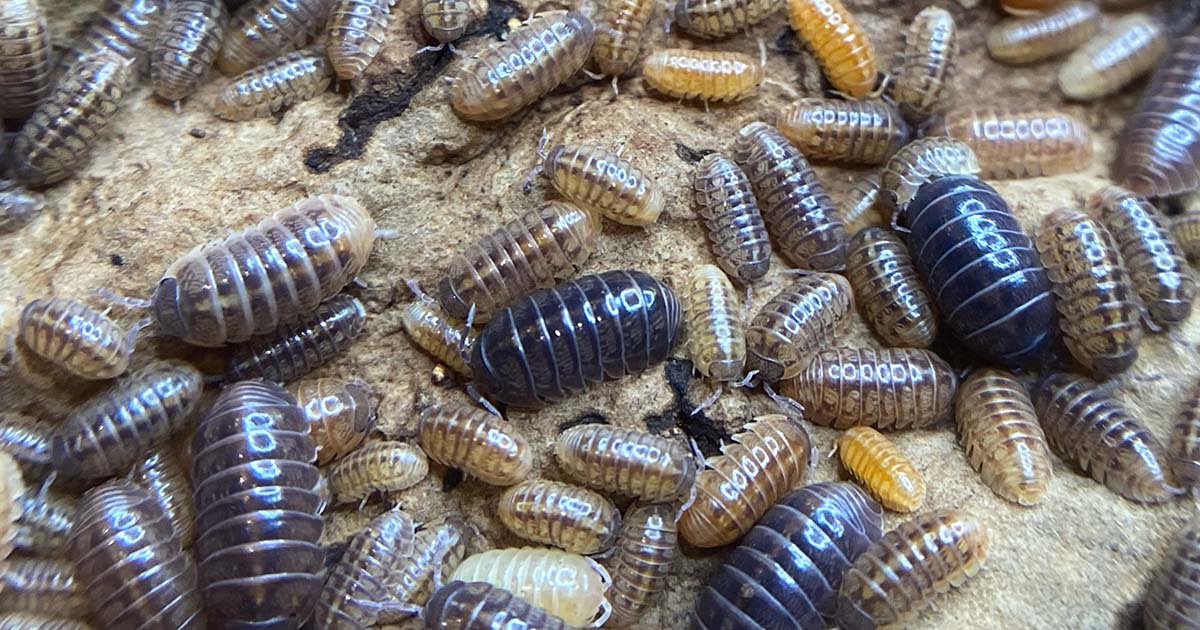
The hobby of keeping isopods as pets has grown significantly in recent years, especially in the UK. These small, crustacean creatures, often referred to as woodlice, pill bugs, or roly-polies, have become increasingly popular due to their unique appearance, easy maintenance, and fascinating behavior. If you’re considering adding isopods to your collection, this guide will help you understand what makes them special, how to care for them, and where to find isopods for sale in the UK.
The Allure of Isopods: Why They’re Trending in the UK
Isopods are captivating creatures that belong to the crustacean family, which also includes crabs, lobsters, and shrimp. Unlike their marine relatives, isopods are terrestrial, meaning they live on land rather than in water. They are characterized by their segmented bodies, which are protected by a hard exoskeleton. This structure allows them to curl up into a ball when threatened, a behavior commonly seen in species like the “Rubber ducky isopod.”
In the UK, isopods have gained popularity not only among reptile enthusiasts who use them as a natural cleanup crew in vivariums but also among those who appreciate their unique appearance and behavior. With a variety of species available, including the increasingly popular “Rubber ducky isopod,” there’s an isopod to suit every interest.
Understanding Different Species of Isopods in the UK
The diversity of isopods available in the UK is vast, ranging from the common species found in gardens to exotic types imported for their unique characteristics. When searching for isopods for sale, it’s essential to know which species suits your needs and environment.
- Rubber Ducky Isopod (Cubaris sp.): Perhaps one of the most sought-after species, the Rubber ducky isopod is named for its distinctive yellow head and dark body, resembling a rubber duck. Native to Thailand, this species requires a more specific habitat than other isopods but is well-loved for its appearance.
- Giant Canyon Isopod (Porcellio dilatatus): These large, robust isopods are known for their durability and ease of care. They are a great choice for beginners looking to add a visually striking species to their collection.
- Dairy Cow Isopod (Porcellio laevis): This species is named for its black and white coloration, similar to that of a dairy cow. It’s a prolific breeder and an excellent choice for those looking to quickly establish a thriving isopod colony.
- Magic Potion Isopod (Armadillidium vulgare): Known for its bright, almost fluorescent spots, the Magic Potion isopod is another popular choice among collectors. This species is relatively easy to care for and adds a splash of color to any isopod setup.
When searching for isopods for sale in the UK, it’s important to source them from reputable sellers who can provide information on the species’ origin, care requirements, and potential challenges.
Creating the Perfect Habitat for Your Isopods
Isopods are relatively low-maintenance pets, but creating the right environment is key to their health and happiness. Whether you’re keeping a common garden isopod or a rare Rubber ducky isopod, the basics of their care remain consistent.
1. Housing: Isopods can be housed in various containers, from plastic tubs to glass terrariums. The container should have a secure lid to prevent escapes but also provide adequate ventilation. A substrate layer of soil, coconut fiber, or leaf litter is essential, as isopods UK burrow and hide in it. Adding pieces of bark, rocks, and moss will create hiding spots and mimic their natural environment.
2. Humidity and Moisture: Isopods thrive in a humid environment, as they breathe through gills and require moisture to survive. Regular misting of the habitat and the inclusion of moisture-retaining elements like moss will help maintain the necessary humidity levels. The Rubber ducky isopod, in particular, requires higher humidity levels to thrive.
3. Temperature: Most isopods, including those commonly found in the UK, prefer a temperature range between 20-24°C (68-75°F). However, species like the Rubber ducky isopod may require slightly higher temperatures, so it’s crucial to research the specific needs of your chosen species.
4. Food: Isopods are detritivores, meaning they feed on decaying organic matter. A diet of leaf litter, decaying wood, and vegetable scraps will keep them healthy. Supplementing their diet with calcium sources, such as cuttlebone or eggshells, is also beneficial, particularly for species like the Rubber ducky isopod that have higher calcium needs.
Where to Find Isopods for Sale in the UK
Finding isopods for sale in the UK has become easier with the growth of the hobby. There are several options available, ranging from online marketplaces to specialized breeders.
- Online Marketplaces: Websites like eBay and Etsy often have listings for isopods for sale. However, it’s essential to ensure that the seller is reputable and that the isopods are shipped in appropriate conditions to avoid stress or harm to the animals.
- Specialized Breeders: Purchasing from a specialized breeder is often the best option, as they can provide detailed care information and ensure that the isopods are healthy and acclimated to captivity. Breeders often have a wider variety of species, including rarer options like the Rubber ducky isopod.
- Reptile Shows and Expos: Attending reptile shows and expos is a great way to see different species of isopods in person and talk directly with breeders. These events often feature a wide range of isopods for sale and allow you to make informed decisions based on firsthand information.
- Local Pet Stores: Some pet stores in the UK are beginning to stock isopods due to their growing popularity. While the selection may be limited, it’s worth checking with local stores to see if they carry any species that interest you.
Caring for Your Isopods: Tips and Tricks for Success
Successfully keeping isopods requires attention to detail and a commitment to providing the best possible care. Here are some tips to ensure your isopods thrive:
1. Monitor Humidity Levels: Regularly check the humidity levels in your isopod habitat, especially if you’re keeping a species like the Rubber ducky isopod that requires higher humidity. Use a hygrometer to measure and adjust the environment as needed.
2. Avoid Overcrowding: While it may be tempting to add multiple species to one enclosure, overcrowding can lead to stress and competition for resources. It’s best to start with a smaller number of isopods and gradually expand your collection as you gain experience.
3. Regular Feeding: Isopods are active foragers, so providing a consistent food source is essential. Check the habitat regularly to ensure that food is being consumed and remove any uneaten food to prevent mold growth.
4. Clean the Habitat: Isopods help break down waste, but it’s still important to maintain a clean environment. Regularly remove any decaying material that isn’t being consumed and replace substrate as needed to prevent the buildup of harmful bacteria.
5. Observe and Enjoy: One of the most rewarding aspects of keeping isopods is observing their behavior. Take time to watch them explore their environment, interact with each other, and go about their daily activities. Over time, you’ll develop a deeper appreciation for these fascinating creatures.
Conclusion: Embrace the Isopod Hobby in the UK
Whether you’re drawn to the unique appearance of the Rubber ducky isopod or the ease of care that many species offer, isopods make an excellent addition to any collection. With the growing availability of isopods for sale in the UK, now is the perfect time to explore this fascinating hobby. By providing the right environment, diet, and care, you can enjoy the company of these intriguing creatures for years to come.