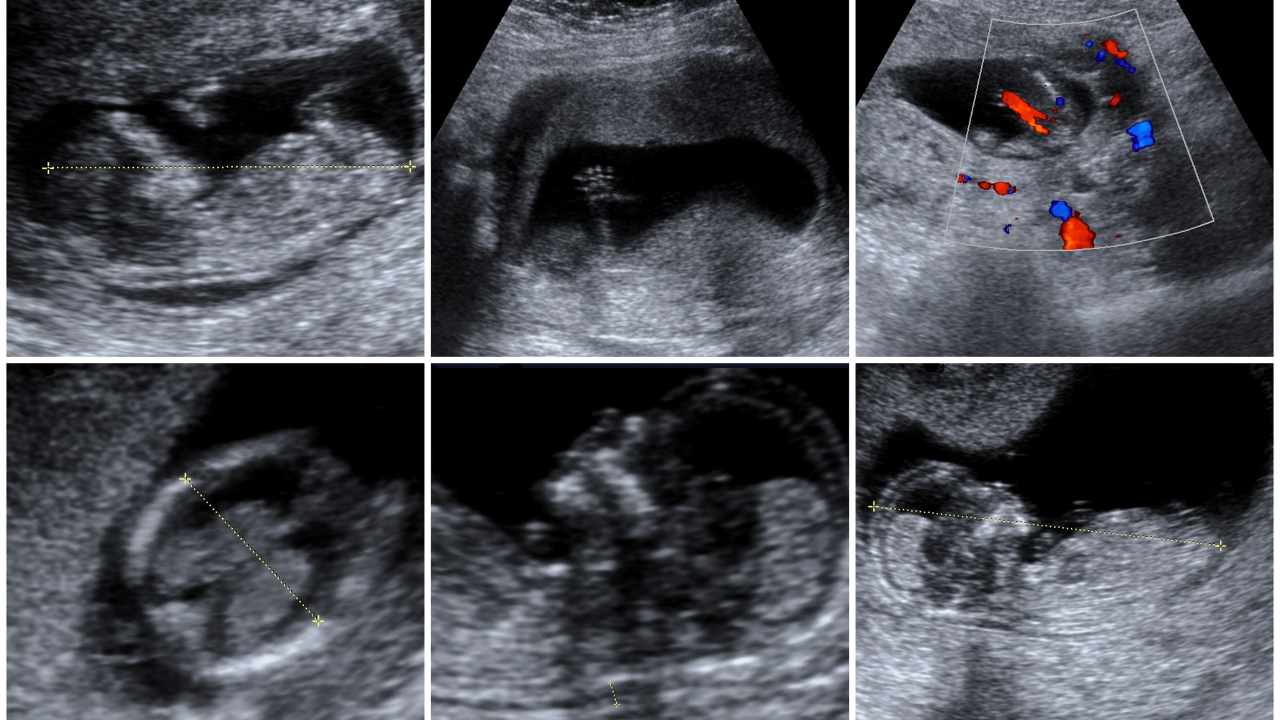
In the realm of prenatal care, technology plays a pivotal role in ensuring the well-being of both mother and child. One such technological marvel is the Fetal Doppler ultrasound equipment, a device that has revolutionized the way healthcare professionals monitor fetal health during pregnancy.
What is Fetal Doppler Ultrasound? Fetal Doppler ultrasound is a non-invasive diagnostic tool used to detect and monitor the fetal heartbeat. It employs the principles of Doppler shift to measure the frequency change of sound waves reflected by moving objects, such as red blood cells.
How Does Fetal Doppler Work? The Fetal Doppler device emits high-frequency sound waves into the abdomen, which then bounce off moving blood cells in the fetal heart. By analyzing the frequency shift of the returning waves, the device translates this data into audible sound, allowing healthcare providers to listen to and assess the fetal heartbeat.
Types of Fetal Doppler Equipment There are two main types of Fetal Doppler equipment: handheld Dopplers and console Dopplers. Handheld Dopplers are portable and suitable for home use, while console Dopplers are more advanced and often found in clinical settings.
Benefits of Fetal Doppler
- Early detection of fetal heartbeat abnormalities
- Monitoring fetal well-being during pregnancy
- Bonding experience for expectant parents
- Peace of mind for high-risk pregnancies
- Convenient and non-invasive monitoring
Safety Concerns While Fetal Doppler ultrasound is generally considered safe, prolonged and excessive use should be avoided to minimize potential risks. It’s crucial to follow guidelines and use the device responsibly under medical supervision.
Choosing the Right Fetal Doppler When selecting a Fetal Doppler, consider factors such as frequency range, probe size, display options, battery life, and additional features like recording capabilities or connectivity.
Tips for Using Fetal Doppler
- Use a gel or water-based lubricant for better probe contact
- Start monitoring from the 12th week of pregnancy onward
- Move the probe slowly and steadily to locate the fetal heartbeat
- Consult a healthcare professional for proper usage guidelines
When to Use Fetal Doppler Fetal Doppler is typically used during routine prenatal check-ups, monitoring fetal heart rate variability, assessing fetal movements, and detecting potential issues such as fetal distress.
Fetal Doppler vs Traditional Ultrasound While both technologies serve distinct purposes in prenatal care, Fetal Doppler focuses specifically on detecting and monitoring the fetal heartbeat, whereas traditional ultrasound provides visual images of the fetus and surrounding structures.
Advancements in Fetal Doppler Technology Recent advancements in Fetal Doppler technology have led to the development of wireless and smartphone-compatible devices. These innovations offer greater convenience and accessibility for expectant parents, allowing them to monitor fetal heartbeat data conveniently at home.
Clinical Applications of Fetal Doppler Aside from routine prenatal care, Fetal Doppler has various clinical applications. It is used in assessing fetal distress during labor, evaluating fetal well-being in high-risk pregnancies, and monitoring fetal heart rate variability to detect potential abnormalities early on.
Educational Role of Fetal Doppler Fetal Doppler ultrasound equipment also plays an educational role in prenatal care. Healthcare providers often use it to educate expectant parents about fetal development, heartbeat patterns, and the importance of regular monitoring for a healthy pregnancy outcome.
Maternal Benefits of Fetal Doppler Fetal Doppler not only benefits the fetus but also provides reassurance and peace of mind to expecting mothers. By being able to hear their baby’s heartbeat regularly, mothers experience reduced anxiety levels and a stronger emotional connection with their unborn child.
Accuracy and Reliability of Fetal Doppler Fetal Doppler ultrasound equipment is known for its accuracy and reliability in detecting and monitoring the fetal heartbeat. Healthcare professionals rely on this technology during prenatal check-ups to assess fetal well-being accurately, contributing to better pregnancy management.
Role in High-Risk Pregnancies In high-risk pregnancies, Fetal Doppler plays a crucial role in early detection and monitoring of potential complications. It helps healthcare providers closely monitor fetal heart rate variations, detect signs of fetal distress, and make timely interventions to ensure the best possible outcomes for both mother and baby.
Conclusion Fetal Doppler ultrasound equipment has transformed prenatal care by offering a safe, reliable, and accessible means of monitoring fetal well-being. Its benefits extend beyond medical utility, fostering parental bonding and providing reassurance during pregnancy.