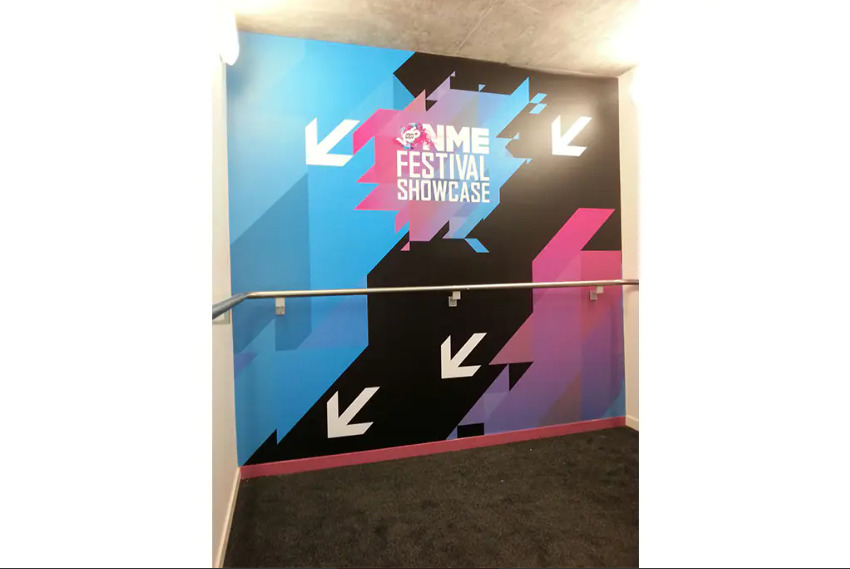
Navigation can be difficult, especially in public spaces. Whether you are at a busy airport, a sprawling university campus, or a shopping mall, finding your way can be a daunting task. That’s where wayfinding design comes in. Wayfinding design is the art of designing navigational systems that help people find their way in complex environments. Good wayfinding design is essential in public spaces, and it can have a significant impact on the user experience. In this article, we’ll explore the importance of wayfinding design in public spaces, and why it’s crucial to get it right.
Signage and Wayfinding: The Basics
Signage is the most common wayfinding tool used in public spaces. Signs are used to communicate information such as directions, locations, and warnings to people. Effective signage should be visible, clear, and easy to understand. In addition to signs, wayfinding design also includes maps, graphics, and other visual aids that help people navigate complex environments.
Wayfinding Services: The Benefits
Good wayfinding design can have a significant impact on the user experience in public spaces. Here are some of the benefits of effective wayfinding services:
Improved Navigation:
The most obvious benefit of good wayfinding design is improved navigation. When people can easily find their way around a complex environment, they are more likely to have a positive experience. This can be especially important in high-stress environments such as airports or hospitals.
Increased Efficiency:
Effective wayfinding can also increase efficiency. When people can quickly find what they are looking for, they are less likely to waste time and resources. This can be especially important in large commercial environments such as shopping malls.
Enhanced Safety:
Good wayfinding design can also enhance safety. For example, clear signage can help people find emergency exits quickly in the event of an emergency.
Branding and Marketing:
Wayfinding design can also be used for branding and marketing purposes. By incorporating branding elements into signage and other wayfinding tools, businesses can reinforce their brand and create a more immersive experience for customers.
The Challenges of Wayfinding Design
While good wayfinding design can have significant benefits, it can also be challenging to get right. Here are some of the common challenges associated with wayfinding design:
Complexity:
Many public spaces are incredibly complex, with multiple levels, rooms, and entrances. Designing a wayfinding system that is easy to understand in such environments can be challenging.
User Diversity:
Public spaces are used by a wide range of people, each with their own needs and preferences. Wayfinding systems must be designed to accommodate this diversity, which can be challenging.
Regulations:
In many cases, wayfinding design must comply with regulations and standards, such as the Americans with Disabilities Act (ADA). This can limit the design options available.
Maintenance:
Wayfinding systems require ongoing maintenance to ensure they remain effective. This can be costly and time-consuming.
Tips for Effective Wayfinding Design
Despite the challenges, it’s possible to create effective wayfinding systems in public spaces. Here are some tips for successful wayfinding design:
Plan Ahead:
Effective wayfinding design requires careful planning. Before designing a wayfinding system, it’s important to understand the needs and preferences of the users, as well as the physical characteristics of the environment.
Keep It Simple:
Simple designs are often the most effective. Wayfinding systems should be easy to understand and navigate, with clear and concise signage and graphics.
Prioritize Accessibility:
Wayfinding systems must be accessible to all users, including those with disabilities. Designers should follow ADA guidelines and other accessibility standards to ensure the system is inclusive.
Test and Refine:
Wayfinding systems should be tested and refined before implementation. Conduct user testing and gather feedback to identify areas that need improvement. Refine the system based on user feedback to ensure it is effective.
Incorporate Technology:
Technology can be a valuable tool in wayfinding design. Digital maps, mobile apps, and other technological solutions can enhance the user experience and make navigation easier.
Examples of Effective Wayfinding Design
There are many examples of effective wayfinding design in public spaces. Here are a few:
The Toronto Pearson International Airport:
The Toronto Pearson International Airport has an award-winning wayfinding system that uses clear and concise signage, color-coded maps, and digital displays to help passengers navigate the complex airport environment.
The University of Washington:
The University of Washington has a wayfinding system that incorporates signage, maps, and mobile apps to help students, faculty, and visitors navigate the sprawling campus.
The National Mall:
The National Mall in Washington D.C. has a wayfinding system that uses clear and concise signage to help visitors find their way to the many monuments and attractions.
Conclusion
In conclusion, effective wayfinding design is essential in public spaces. It can improve navigation, increase efficiency, enhance safety, and even be used for branding and marketing purposes. However, designing an effective wayfinding system can be challenging, especially in complex environments. By following best practices and incorporating technology, it’s possible to create a wayfinding system that meets the needs of all users.
Ultimately, a well-designed wayfinding system can make all the difference in the user experience, making it easier for people to find their way and enjoy their time in public spaces. In the field of wayfinding design, ARC Document Solutions is a leading company that provides a range of services including signage, digital maps, and mobile apps. With their expertise and technology, ARC Document Solutions is helping businesses and organizations create effective wayfinding systems in public spaces.