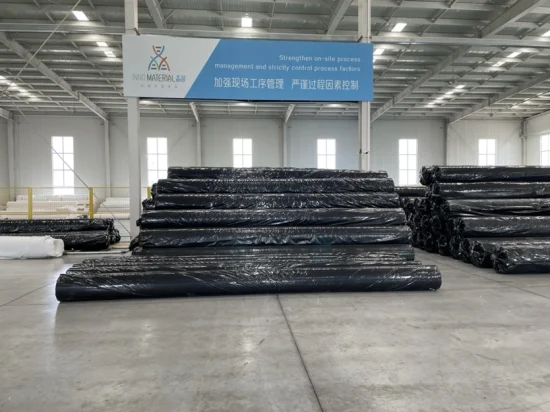
Geogrids are integral to modern infrastructure projects, providing vital reinforcement and stabilization for various construction applications. As infrastructure demands evolve, geogrid factories are at the forefront of innovation, pushing boundaries to enhance performance, sustainability, and efficiency. This blog explores how Geogrid factory are influencing the future of construction and civil engineering through cutting-edge technologies, sustainable practices, and advanced solutions.
The Growing Importance of Geogrids in Infrastructure
Understanding Geogrids
Geogrids are synthetic materials designed to strengthen and stabilize soil and other construction materials. Typically made from polymers like polypropylene or polyester, geogrids feature a grid-like structure that enhances load distribution and structural integrity.
Why Geogrids Matter
- Soil Reinforcement: Geogrids improve soil stability, crucial for embankments, retaining walls, and roadways.
- Load Distribution: They distribute loads evenly, preventing soil deformation and improving structural stability.
- Erosion Control: Geogrids help manage soil erosion and support vegetation growth, particularly in areas prone to erosion.
Innovations in Geogrid Manufacturing
1. Advanced Manufacturing Techniques
Modern geogrid factories utilize state-of-the-art technologies to enhance product performance and quality:
Precision Extrusion
- Enhanced Extrusion Processes: Modern extrusion machines ensure consistent geogrid thickness and quality, improving overall performance.
- High-Temperature Processing: Advanced extrusion methods allow for better polymer processing, resulting in stronger and more durable geogrids.
Sophisticated Stretching Methods
- Uniaxial and Biaxial Stretching: Innovative stretching techniques align polymer chains to enhance tensile strength and performance.
- Controlled Orientation: Precise control during the stretching process ensures uniform material properties.
Advanced Punching and Forming
- High-Accuracy Punching: Cutting-edge punching tools create accurate grid patterns, ensuring consistent performance.
- Automated Forming: Modern forming machines streamline production, improving efficiency and product quality.
2. Rigorous Quality Control
Ensuring geogrid quality is crucial for their effectiveness in construction. Factories implement comprehensive quality control measures:
Material Testing
- Tensile Strength Evaluation: Testing measures the geogrid’s ability to withstand tensile forces without failure.
- Durability Testing: Assessing resistance to UV radiation, chemicals, and temperature fluctuations ensures long-term performance.
Performance Testing
- Reinforcement Effectiveness: Evaluating how well geogrids reinforce soil and prevent deformation.
- Load Distribution Testing: Measuring how geogrids distribute loads across reinforced areas.
Compliance and Certification
- ASTM Standards: Ensuring geogrids meet industry performance and safety standards.
- ISO Certifications: Adhering to quality management and environmental practices to maintain high standards.
3. Sustainable Manufacturing Practices
Geogrid factories are adopting sustainable practices to reduce environmental impact:
Energy Efficiency
- Energy-Efficient Technologies: Factories use energy-efficient machinery and processes to lower energy consumption and emissions.
- Renewable Energy: Incorporating renewable energy sources further reduces the carbon footprint of production.
Recycling and Waste Management
- Recycled Materials: Using recycled polymers in geogrid production supports sustainability and reduces waste.
- Waste Reduction: Efficient waste management practices minimize production waste and promote recycling.
Eco-Friendly Materials
- Biodegradable Geogrids: Developing biodegradable materials to minimize environmental impact and support sustainability.
4. Customization and Innovative Solutions
Geogrid factories offer customized solutions to address specific project needs and challenges:
Custom Grid Designs
- Tailored Patterns: Designing geogrids with specific grid patterns to meet unique project requirements.
- Flexible Production: Advanced manufacturing techniques allow for customization and adaptability.
Specialized Coatings
- Enhanced Protection: Applying coatings to improve resistance to UV radiation, chemicals, and other environmental factors.
- Functional Enhancements: Coatings can enhance performance for specific applications, such as water management or soil stabilization.
Innovative Materials and Applications
- New Material Technologies: Ongoing research leads to innovative geogrid materials with improved properties.
- Advanced Solutions: Developing geogrids for emerging challenges in infrastructure, including complex soil conditions and environmental management.
The Impact of Geogrid Innovations on Construction and Civil Engineering
1. Enhanced Performance and Reliability
Innovations in geogrid technology contribute to:
Improved Load-Bearing Capacity
- Effective Reinforcement: High-strength geogrids provide superior load distribution and prevent soil failure, enhancing structural stability.
Long-Term Durability
- Extended Lifespan: Durable geogrids contribute to the longevity of infrastructure projects, reducing the need for frequent repairs and maintenance.
2. Cost Savings and Efficiency
Geogrid innovations lead to cost savings and improved project efficiency:
Reduced Construction Costs
- Lower Overall Costs: High-performance geogrids decrease the need for additional reinforcement, leading to cost savings in construction.
Accelerated Project Timelines
- Efficient Production: Streamlined manufacturing processes and high-quality materials enable faster project completion.
3. Environmental Benefits
Sustainable practices in geogrid production support environmental goals:
Lower Environmental Impact
- Eco-Friendly Production: Energy-efficient technologies and recycled materials help reduce the environmental footprint of geogrid manufacturing.
Sustainable Construction Practices
- Greener Projects: Durable and eco-friendly geogrids contribute to sustainable construction practices and long-term environmental health.
Case Studies: Geogrid Innovations in Action
1. Urban Development Projects
Innovative geogrids have improved urban infrastructure, including roads, retaining walls, and green spaces. These advancements address challenges such as high traffic loads and limited space.
2. Environmental Restoration Initiatives
Geogrids play a crucial role in environmental restoration, including erosion control and land reclamation. Advanced materials and practices have supported successful outcomes in these projects.
3. Major Infrastructure Projects
In large-scale projects like highways and bridges, modern geogrids provide essential reinforcement and stability. High-strength geogrids support complex engineering solutions and ensure structural integrity.
Conclusion
Geogrid factories are driving the future of construction and civil engineering through innovation, sustainability, and customization. By adopting advanced technologies, rigorous quality control measures, and eco-friendly practices, these factories are enhancing the performance, efficiency, and environmental responsibility of infrastructure projects. As the demands of modern construction continue to evolve, geogrid factories will remain at the forefront, shaping the future of infrastructure development and contributing to the success of critical projects worldwide.