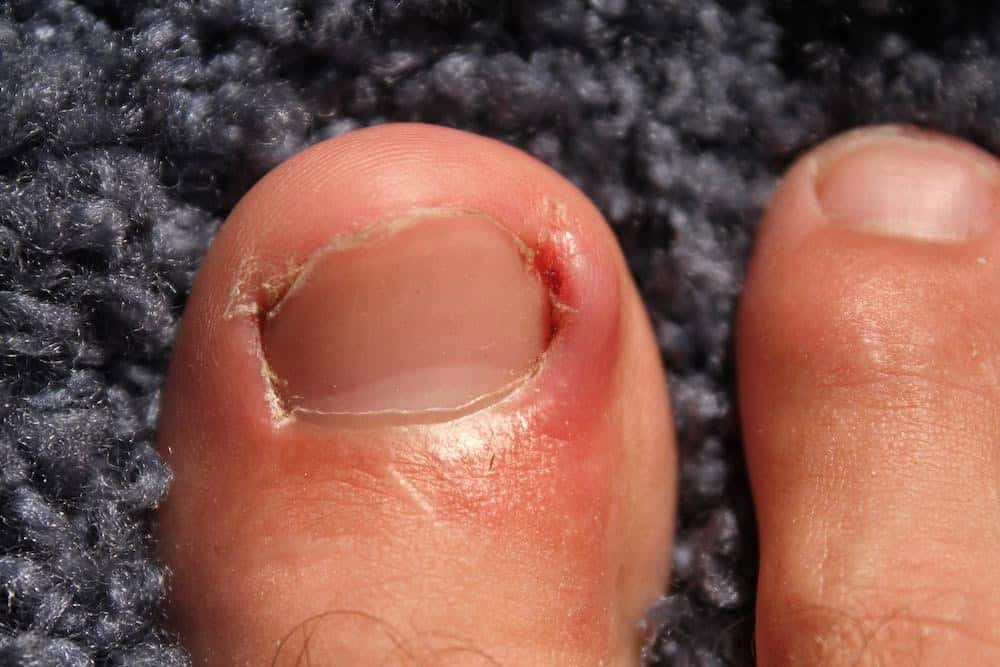
When dealing with toenail issues, whether due to injury, infection, or a persistent problem like an ingrown toenail, toenail removal might be recommended as a solution. While the thought of toenail removal might seem daunting, understanding the healing stages can help ease any concerns and prepare you for a smooth recovery. In this post, we’ll explore the healing stages following toenail removal and provide insight into what to expect throughout the process.
Understanding Toenail Removal Healing Stages
Toenail removal is typically performed to alleviate pain, treat infections, or address deformities. The procedure, while minor, involves several stages of healing, each with its own timeline. Here’s a breakdown of the stages you can expect:
- Immediate Post-Procedure Phase (1-3 Days)
Immediately after toenail removal, the initial healing phase begins. During the first 1 to 3 days, your primary focus will be on managing any discomfort and ensuring the area remains clean and dry. This period may involve some swelling, redness, and minor bleeding, which is entirely normal. Your healthcare provider will likely provide specific instructions for wound care and may recommend pain management options if needed.
- Early Healing Phase (1-2 Weeks)
In the early healing phase, which lasts from about 1 to 2 weeks post-procedure, the focus shifts to wound healing. During this time, you’ll notice a gradual reduction in swelling and redness. The exposed nail bed will start to form new tissue as it heals. It’s essential to continue following your healthcare provider’s instructions regarding dressing changes and foot hygiene. At this stage, most people experience a significant reduction in pain, though some tenderness may persist.
- Mid-Term Healing Phase (2-6 Weeks)
By the 2 to 6-week mark, the nail bed will begin to recover more significantly. New tissue growth will be evident, and the risk of infection decreases. The area will feel more comfortable, although some sensitivity might remain. It’s crucial to keep an eye out for any signs of complications, such as increased redness or discharge, and contact your healthcare provider if you have any concerns. This is also the stage where you may start to notice the initial signs of a new toenail beginning to form.
- Long-Term Healing Phase (6-12 Weeks)
The long-term healing phase typically spans from 6 to 12 weeks. During this period, the new toenail will start to grow back, and the nail bed will continue to strengthen. It’s important to be patient, as toenail regrowth can vary from person to person. While the nail may not yet be fully grown, the area should be much less sensitive and more resilient. Most people can resume normal activities without significant discomfort by this time.
- Full Regrowth and Final Healing (6-12 Months)
For complete toenail regrowth, you can expect the process to take anywhere from 6 to 12 months. Toenails grow at an average rate of about 1 to 1.5 millimeters per month, so full regrowth can be gradual. Throughout this period, maintaining good foot hygiene and protecting the nail bed will support healthy regrowth. Regular check-ups with your healthcare provider can help ensure that everything is progressing as expected.
Tips for a Smooth Recovery
- Follow Aftercare Instructions: Adhering to your healthcare provider’s aftercare instructions is crucial. This includes keeping the area clean and dry, changing dressings as recommended, and taking any prescribed medications.
- Manage Pain Effectively: Over-the-counter pain relievers or prescribed medications can help manage discomfort. Consult your healthcare provider if you have concerns about pain management.
- Avoid Pressure on the Toe: Wear comfortable, well-fitting shoes that do not apply pressure to the affected toe. This can help prevent complications and promote healing.
- Monitor for Complications: Watch for signs of infection, such as increased redness, swelling, or discharge. Contact your healthcare provider if you notice any concerning symptoms.
- Be Patient: Toenail regrowth takes time. While it can be tempting to expect immediate results, be patient and allow your body the time it needs to heal properly.
Conclusion
Understanding the toenail removal healing stages can provide peace of mind and help you manage your recovery effectively. From the initial post-procedure phase to the final stages of toenail regrowth, each step in the healing process is essential for a successful outcome. By following your healthcare provider’s instructions and taking proactive steps to care for your foot, you can support a smooth and positive recovery experience. Remember, healing takes time, but with patience and proper care, you’ll be back to your normal activities with healthy toenails in no time.