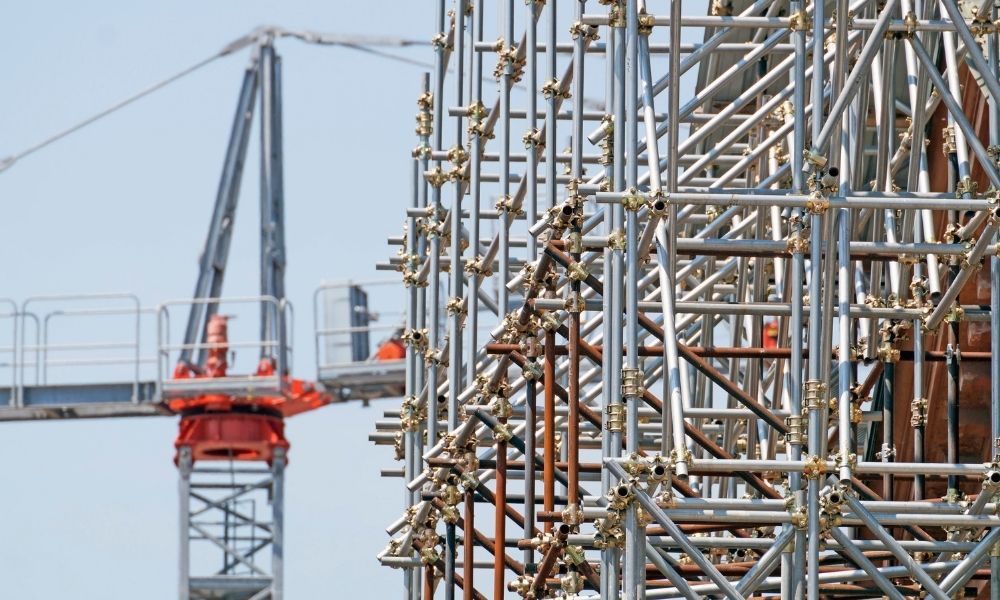
Scaffolding is an essential tool for construction and maintenance projects across Canada. With its ability to provide workers with a stable platform at heights, scaffolding ensures the safety and efficiency of countless tasks. However, ensuring the structural integrity of scaffolding is paramount, as any oversight could lead to accidents, delays, and increased costs. This article offers comprehensive guidance on how to maintain and inspect scaffolding in Canada while highlighting key considerations for safety, efficiency, and compliance with Canadian standards.
Understanding the Importance of Scaffolding Maintenance
Proper maintenance of scaffolding is crucial for several reasons:
- Worker Safety: A stable and well-maintained scaffold protects workers from falls, one of the leading causes of workplace injuries.
- Legal Compliance: Regulations under organizations like the Canadian Centre for Occupational Health and Safety (CCOHS) require regular inspections and maintenance of scaffolding to meet safety standards.
- Cost Efficiency: Regular upkeep prevents costly repairs or replacements and minimizes project downtime due to structural issues.
Key Components of Scaffolding to Monitor
Effective maintenance begins with understanding the critical components of scaffolding systems:
- Frames and Supports: The frames must be inspected for bends, cracks, or damage caused by heavy loads or environmental factors.
- Planks and Platforms: Wooden or metal planks must be checked for warping, splits, or corrosion.
- Braces and Connectors: Braces ensure structural stability and must be securely fastened without signs of wear.
- Base Plates and Footings: Proper alignment and solid ground support are necessary to prevent instability.
- Guardrails and Toe Boards: Essential for fall prevention, these components must be securely attached and free of defects.
Steps for Regular Scaffolding Maintenance
Maintaining scaffolding involves a series of proactive steps to ensure its longevity and safety:
1. Daily Visual Inspections
Before each use, perform a quick visual check for obvious damage, such as bent frames or loose bolts. This ensures that workers can safely proceed with their tasks.
2. Scheduled Maintenance Checks
Establish a routine schedule for in-depth inspections, ideally at the beginning of each project or weekly for ongoing tasks. During these checks, examine all structural components, connections, and safety features.
3. Cleaning
Debris and buildup, such as mud or concrete, can compromise scaffolding materials. Cleaning scaffolding regularly prevents wear and corrosion. Use appropriate cleaning agents and avoid abrasive chemicals that might damage metal parts.
4. Rust Prevention
In Canada’s varying weather conditions, rust is a significant concern for metal scaffolding. Apply anti-corrosion sprays and ensure scaffolding is stored in a dry location when not in use.
5. Proper Storage
Store scaffolding materials off the ground in a dry and covered area to protect them from the elements. Use racks or pallets to organize components and prevent damage during storage.
How to Inspect Scaffolding
Inspection is a critical aspect of scaffolding maintenance. Here’s a step-by-step guide to conducting thorough inspections:
1. Pre-Installation Checks
Before erecting scaffolding, ensure all components are present and in good condition. Look for visible defects such as cracks, bends, or corrosion.
2. Structural Integrity Tests
Once the scaffolding is erected, verify its structural stability. Ensure that all connections are secure and that braces are correctly aligned. Test for any wobbling or swaying.
3. Load Capacity Assessment
Scaffolding systems are designed to hold specific weight limits. Avoid overloading platforms by adhering to the manufacturer’s guidelines and verifying the intended load distribution.
4. Weather-Related Inspections
Canadian weather can pose unique challenges, from icy conditions to high winds. Inspect scaffolding after storms or temperature extremes to ensure it remains safe to use.
5. Compliance Check
Ensure that the scaffolding meets Canadian safety standards, including those set by the CCOHS. Document inspections and maintain records for reference.
Training Workers on Scaffolding Safety
Proper maintenance and inspection practices must be complemented by worker training. All personnel involved in erecting, dismantling, or using scaffolding should be familiar with safety protocols and inspection procedures.
- Certification Programs: Encourage workers to enroll in training courses that cover scaffolding assembly, use, and inspection.
- Toolbox Talks: Conduct regular safety meetings to review procedures and address specific hazards on-site.
- Emergency Preparedness: Train workers to identify and respond to potential scaffold-related emergencies, such as structural collapse or falls.
Advanced Tips for Maintaining Scaffolding in Canada
Given Canada’s diverse climates, here are some advanced maintenance tips tailored to local conditions:
1. Winter Precautions
- Remove ice and snow from platforms to prevent slips.
- Check for metal fatigue caused by freezing temperatures.
2. Wind Resistance
In windy areas like Grande Prairie, ensure scaffolding is properly anchored to prevent tipping. Use wind barriers if necessary.
3. UV Protection
For regions with high UV exposure, inspect for material degradation in plastic or composite scaffolding components.
4. Use of Protective Coatings
Apply weather-resistant coatings to metal scaffolding to shield it from rust and environmental damage.
Why Scaffolding Maintenance Matters in Grande Prairie
Grande Prairie’s bustling construction and industrial sectors rely heavily on scaffolding systems. Regular maintenance and inspections are critical not only for compliance but also for fostering a culture of safety. Companies that prioritize scaffolding upkeep in this region can ensure their projects proceed without interruptions while safeguarding their workforce.
Conclusion
Maintaining and inspecting scaffolding is a non-negotiable responsibility for construction and maintenance projects in Canada. By implementing regular checks, training workers, and considering local environmental factors, you can ensure your scaffolding systems remain safe and reliable.
For businesses operating in areas like Grande Prairie, adherence to these practices is especially crucial. With a commitment to safety and efficiency, companies can reduce risks, improve productivity, and build a solid reputation in the industry.
Looking for professional solutions for Scaffolding Grande Prairie? Ensure your projects stay safe and compliant by relying on trusted experts in the region.