For companies aiming to maximize productivity, minimize costs, and outpace rivals, operational efficiency is crucial. Manufacturers constantly search for methods and strategies to optimize processes, reduce waste, and streamline workflows from the factory floor through the entire supply chain. Although there is no one-size-fits-all solution, implementing various best practices focused on continuous improvement can greatly boost efficiency.
Lean Manufacturing Principles
Adopting lean manufacturing principles focused on continuous improvement and waste elimination is essential for boosting efficiency. Key lean practices include just-in-time production, mistake-proofing, single-piece flow, total productive maintenance, and completely pulling production from customer demand. Instilling a lean philosophy ingrained in your workforce empowers employees at all levels to identify and eliminate wasteful activities, processes, or expenditures.
Industrial Internet of Things
Leveraging the industrial internet of things (IIoT) provides operational insights to enhance manufacturing efficiency. IIoT involves equipping machines, processes, and facilities with smart sensors that collect and transmit valuable data. This real-time data visibility allows optimizing performance, minimizing downtime through predictive maintenance, automating processes, tracking assets and inventory precisely, and making informed decisions based on concrete information rather than assumptions.
Workflow Automation
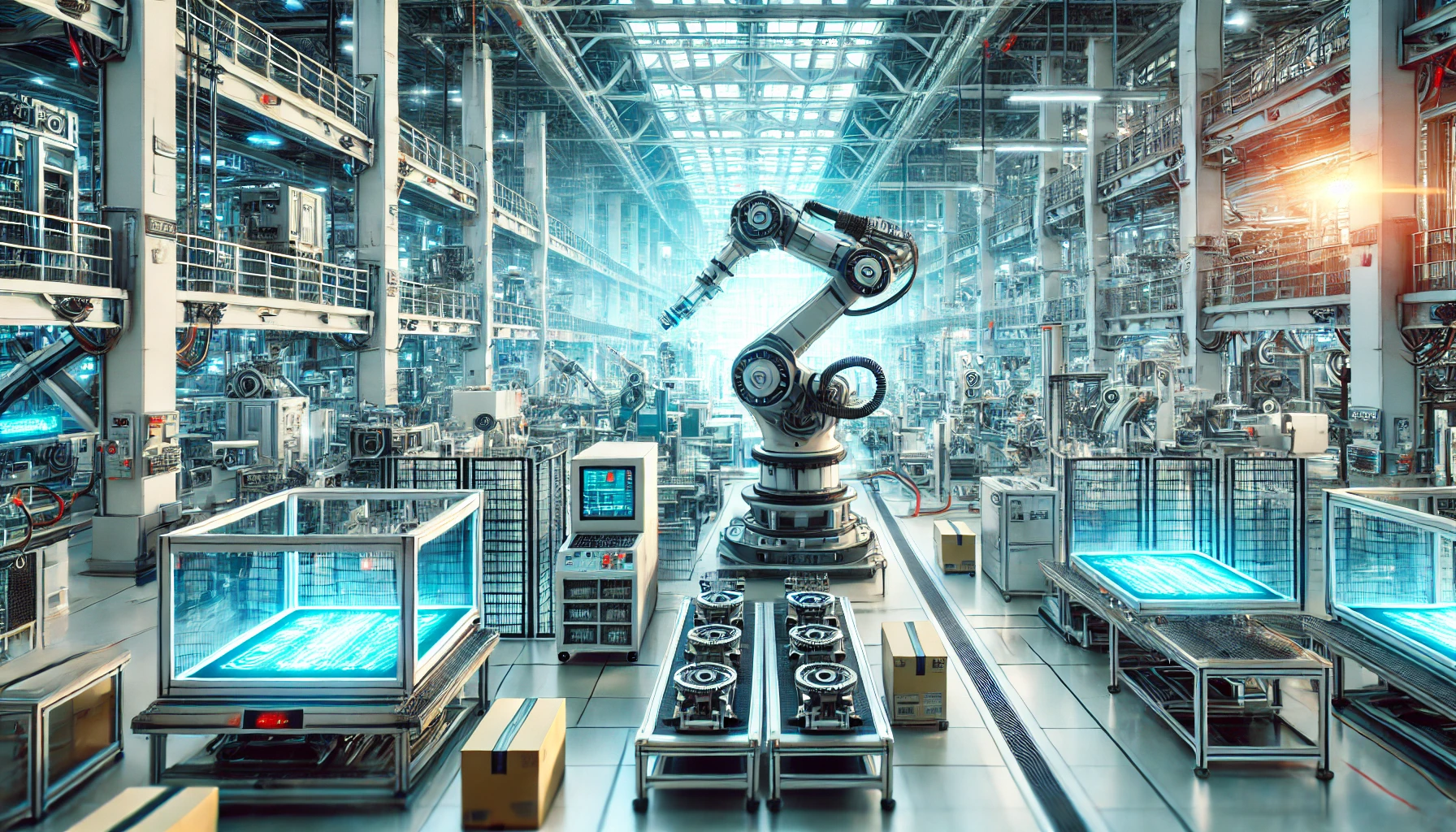
Automating workflows through robotics, programmable logic controllers (PLCs), conveyors and other automated systems improves speed, throughput, consistency, and reliability of manufacturing operations compared to manual labor alone. Robotic process automation can be applied to repetitive, high-volume, and high-precision fabrication tasks. Material handling and logistics workflows are accelerated by automated storage/retrieval systems, automated guided vehicles, and auto-sortation.
Preventative Maintenance
Rather than reacting to equipment failures, implementing proactive preventative maintenance avoids unplanned and costly downtime. Regularly inspecting, servicing, cleaning, and replacing worn components extends asset lifespan and prevents breakdowns from causing production line stoppages. Leveraging computerized maintenance management systems (CMMS) enables tracking asset history, issuing automatic work orders, and keeping organized maintenance logs.
Regular Industrial Cleaning
Besides equipment maintenance, routine professional industrial cleaning promotes efficiency by removing accumulated dust, debris, grease, oil and other residues that negatively impact operations. A clean, well-maintained facility averts unnecessary breakdowns, slips/falls, tool/equipment damage and production quality issues caused by unsanitary conditions. Contracting companies like All Pro Cleaning Systems to provide specialized industrial cleaning services ensures a thorough, compliant clean.
Value Stream Mapping
Value stream mapping is a lean technique to analyze workflows and identify areas of waste like excessive downtime, delays, overproduction, excess inventory, inefficient transportation, unnecessary labor or processing steps, and more. Once mapped out, these inefficiencies can be targeted to streamline processes, create flow, optimize labor utilization, and eliminate root causes hindering productivity.
Visual Management
Creating visual cues, signage, indicators, and controls enhances awareness and efficiency across a manufacturing operation. Color-coded labeling systems, supermarket pull systems for component replenishment, production metric scoreboards, process control boards, and Andon lights signaling issues keep everyone aligned on goals and accountable.
Energy Efficiency Initiatives
Reducing energy consumption cuts costs while also benefiting the environment. Initiatives like upgrading to energy-efficient LED lighting, optimizing compressed air systems, maximizing HVAC efficiency, monitoring energy utilization, and implementing sustainable practices like recycling materials conserve resources and directly affect the bottom line through lowered monthly utility bills.
Cross-Training and Versatility
To maximize flexibility and workforce utilization, cross-training staff in various production roles and tasks promotes overall efficiency rather than limiting specialized silos. With versatility, workers can dynamically shift across different lines, equipment and responsibilities as needs change to meet production demands.
Conclusion
From embracing principles of lean to leveraging smart manufacturing technologies, implementing proactive maintenance plans, analyzing workflows and training a flexible workforce, there are countless opportunities for manufacturers to boost operational efficiency. Initiatives promoting automation, sustainability, continuous improvement and eliminating waste deliver substantial returns through increased productivity, reduced costs and maximized resource utilization