Maintaining a lush and healthy garden requires a combination of art and science. Proper landscape maintenance not only enhances the aesthetic appeal of your property but also ensures the long-term health of your plants and trees. Implementing effective strategies in garden care can make a significant difference. This article explores proven techniques to help you achieve a vibrant and well-maintained garden, with a particular focus on tree pruning and hedge trimming.
Understanding Landscape Maintenance
Effective landscape maintenance involves a systematic approach to caring for various elements of your garden. From soil health and watering practices to pest control and seasonal care, each aspect plays a crucial role in the overall vitality of your landscape. By adopting a comprehensive maintenance routine, you can address potential issues before they escalate, ensuring that your garden remains both beautiful and functional.
Tree Pruning: Enhancing Health and Aesthetics
Tree pruning is an essential practice for maintaining the health and appearance of your trees. Regular pruning not only promotes vigorous growth but also helps prevent disease and pest infestations. Here are some key considerations for effective tree pruning:
- Timing and Technique: The best time to prune most trees is during their dormant season, typically late winter or early spring. Pruning during this period minimizes stress and promotes new growth. Use sharp, clean tools to make precise cuts, avoiding damage to the tree’s bark and branches.
- Remove Dead or Diseased Wood: Regularly inspect your trees for signs of dead or diseased wood. Removing these branches helps prevent the spread of disease and pest infestations. Make sure to cut back to healthy wood, avoiding leaving stubs that can become entry points for pathogens.
- Shape and Structure: Pruning also helps shape the tree and improve its structure. Remove any crossing branches and thin out crowded areas to allow light and air to penetrate the canopy. This practice enhances the tree’s overall form and reduces the risk of wind damage.
- Safety Considerations: For large or mature trees, consider hiring a professional arborist to handle the pruning. Climbing and working at heights can be dangerous, and professionals have the expertise and equipment to perform the task safely and efficiently.
Hedge Trimming: Maintaining Neatness and Health
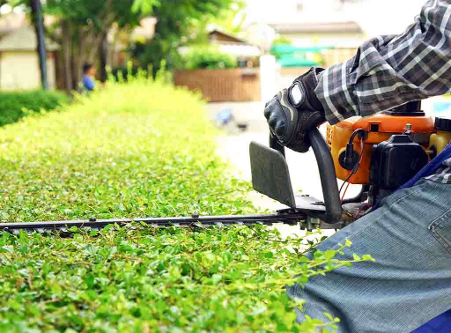
Hedge trimming is another vital aspect of landscape maintenance that contributes to the overall aesthetics of your garden. Well-maintained hedges provide structure and privacy while enhancing the garden’s visual appeal. Here’s how to approach hedge trimming effectively:
- Regular Trimming Schedule: Establish a regular trimming schedule to keep your hedges in shape. Depending on the species and growth rate, you may need to trim your hedges several times a year. Consistent trimming helps maintain a neat appearance and prevents the hedges from becoming overgrown.
- Proper Techniques: Use sharp hedge trimmers to achieve clean cuts. For a uniform look, trim the top and sides of the hedge at a slight angle, tapering towards the top. This shape allows sunlight to reach lower branches and promotes even growth.
- Health Considerations: While trimming, avoid cutting too close to the base of the hedge, as this can damage the plant and hinder its ability to recover. Focus on removing only the excess growth and maintaining the overall shape. Additionally, monitor for signs of pests or diseases and address any issues promptly.
- Seasonal Care: Different hedge species have varying requirements for trimming and care. Research the specific needs of your hedge plants to ensure you provide the appropriate care. For instance, some hedges may benefit from a lighter trim in late summer, while others may require a more substantial cut in early spring.
Additional Tips for a Thriving Garden
- Soil Health: Regularly test and amend your soil to ensure it provides the necessary nutrients for plant growth. Adding organic matter and ensuring proper drainage can significantly improve soil health.
- Watering Practices: Implement a consistent watering routine, adjusting based on weather conditions and plant needs. Overwatering and underwatering can both lead to plant stress and health issues.
- Pest and Disease Management: Monitor your garden for signs of pests and diseases. Early detection and intervention are key to managing these issues effectively.
- Seasonal Care: Adapt your maintenance practices to the changing seasons. Mulching, fertilizing, and protecting plants from extreme weather conditions can enhance their resilience and overall health.
Conclusion
Mastering landscape maintenance involves a combination of regular care, strategic practices, and attention to detail. By focusing on key areas such as tree pruning and hedge trimming, you can ensure that your garden remains lush, healthy, and visually appealing. Implementing these proven strategies will help you create a vibrant outdoor space that enhances both the beauty and value of your property.