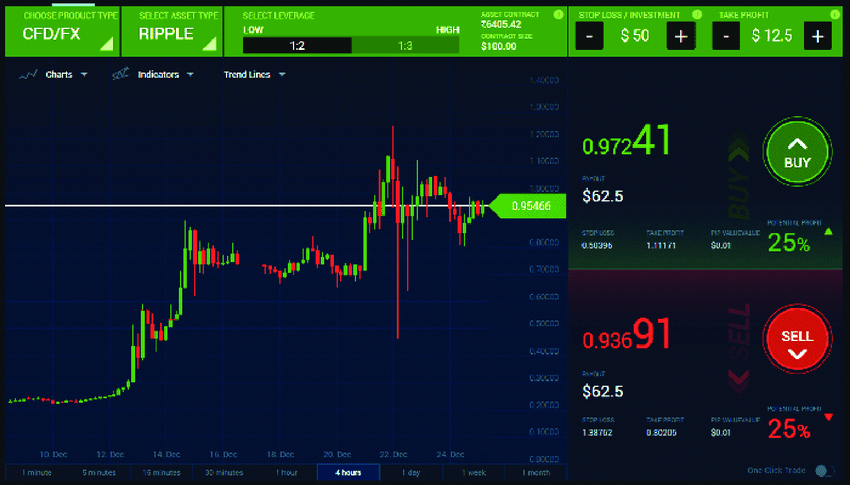
Online Trading Platforms: It becomes a challenging and important mission for both experienced traders and beginners in the era of Internet access to search for the most effective online trading platforms. Since there are endless options, the decision is very difficult. But that is true only to an extent if one has all the necessary knowledge and understanding that makes this job easy. Now that we’ve established the nature of online trading platforms, some fundamental guidelines to assist you in finding your way in this huge market are indispensable.
Understanding Different Types of Online Trading Platforms
There are numerous types of online trading platforms today, and they are designed to support different modes of trade and approaches. An understanding of these types will give you a clear perspective on your choices so that you will be able to select the best platform for you.
Full-Service Brokerage Platforms: These sites provide information, research and analysis, recommendations, and services in terms of investment and portfolio. Popular among novices or those willing to invest without actively engaging in trades, full-service brokerage firms make recommendations and assist throughout the process.
Discount Brokerage Platforms: While full-service brokerage firms offer an all-in-one solution that comes with a premium rate, discount brokerage firms provide only trading services with relatively low fees but fewer services. Although they do not rely on direct access to professional consultation as provided by the full-service brokers, most discount brokerage outlets provide affordable fee structures and numerous products in which to invest.
Robo-Advisors: Robo-advisors rely on computer-based techniques to manage clients’ affairs depending on preferred risk levels, investment objectives, and periods. These platforms are flexible allowing the investors to passively manage their investments, and hence could be appropriate for the set-and-forget type of investor.
Direct Access Trading Platforms: Direct access trading platforms satisfy the needs of active traders who seek fast executable information, fast access, and a variety of specialized tools. These platforms provide DMA – direct market access to investors where they interact directly with the financial exchange to execute trades with little delay.
It is safe to note that by comparing and contrasting the various online trading platforms and their features, an investor can easily filter out what is most appropriate for him or her or even for his or her specific goals and trading personality.
Analyzing Platform Reputation and Reviews
A few criteria such as the reliability of the online trading platforms, their popularity among other people, and their feedback can help you understand whether it is worth your attention. Some reliable factors may include experience, reputable platform, ease of access to information, and customer satisfaction.
When researching the platform, first, go to the official page of the platform and try to find some feedback from users in forums, social networks, and other independent platforms. To evaluate how reliable and effective the platform is, constantly monitor and consider user feedback, testimonials, and ratings.
Further, it is wise to review the number of regulations adhered to by the platform, as well as industry-specific certifications obtained. Regulated platforms operating under the jurisdictions of well-known financial bodies are more transparent, secure, and stringent when it comes to investor protection, giving people more confidence to engage in trading.
Therefore, although the positive recommendation and enlightening success story are powerful in their rights, the negative response and dissatisfaction cannot be ignored. Specifically, search for patterns of recurring related concerns which would suggest that there is something amiss with the platform’s services, the customer service provided, or its security measures.
Expanding Your Trading Horizons with Education and Resources
Self-education and constant learning are therefore important tools in online trading hence the need for continued updates. Section Trading platforms provide a wealth of educational tools, guides, and videos to cater to every category of traders.
Use these resources to get more information regarding financial markets, trading styles, and investments. If you are a new investor or an old alike, it always pays to continue learning and analyzing the markets.
Some common educational resources offered by online trading platforms include:
- Video Tutorials: A set of short videos that covers the basic and not-so-basic concepts of the trade.
- Webinars and Workshops: The seminars can be in live or recorded versions and may involve practitioners who will cover subjects of a technical nature such as risk management, trading techniques or trends prevailing in the market.
- Articles and Guides: A vast number of articles, heading sections, and e-books that cover such topics as the basics of chart patterns, technical and fundamental analysis, trading psychology, and effective investment.
- Demo Accounts: First, they can open a Practice account that involves dummy money and enables the user to get a feel of what the platform has to offer as well as experiment with possible trading strategies that would not cost them any real amount of money.
- Community Forums and Discussion Groups: Socialise with other traders, and gain knowledge from their trades within the blog sites available in the platform for interaction.
As you can see from the above educational tools, there is much you can do to improve your ability to trade successfully, gain the confidence that comes from knowledge, and then make knowledgeable decisions in the relatively short time of Internet trading.
Conclusion (Online Trading Platforms)
Choosing the right online trading platform is one of the crucial factors to attain success in the trading career. This is because there are many similar assets in the market today, and to invest in the right one, consideration of some of the important aspects has to be made. Thus, by paying attention to your individual needs and preferences, providing comprehensive research, and overemphasizing such factors as user-friendliness and security, one can create the best base for a fruitful trading practice.
But before you start choosing your tools, it is essential to understand your individual needs and goals. Depending on the level of experience, you are either a small investor who wants to experiment with the first dollars invested or a highly skilled trader who needs complex tools – understanding this is the key to choosing the platform that suits you.
However, understanding needs is just the first step and after knowing your needs, research becomes imperative. Check all the options out there, popularity, customers’ feedback, and whether everything is legal. Seek for platforms that have been in operation for a long time and have clearly displayed their credibility and thereby, should have tight security measures in place for shielding your capital. Also, access educational materials offered by the given platform to become more skilled and knowledgeable in the sphere of trading.