Introduction
Florence, Italy, is a city where history and art intertwine to create one of the world’s most iconic destinations. Known as the birthplace of the Renaissance, Florence is brimming with extraordinary landmarks that showcase the period’s groundbreaking achievements in art, architecture, and science. For those who seek to immerse themselves in this rich history, Walking Tours in Florence offer the perfect way to explore its famous sites and lesser-known treasures. These tours guide visitors through the streets where some of history’s greatest figures once walked and where masterpieces by Michelangelo, Leonardo da Vinci, and Botticelli were brought to life.
Exploring the Florence Cathedral: A Masterpiece of Architecture
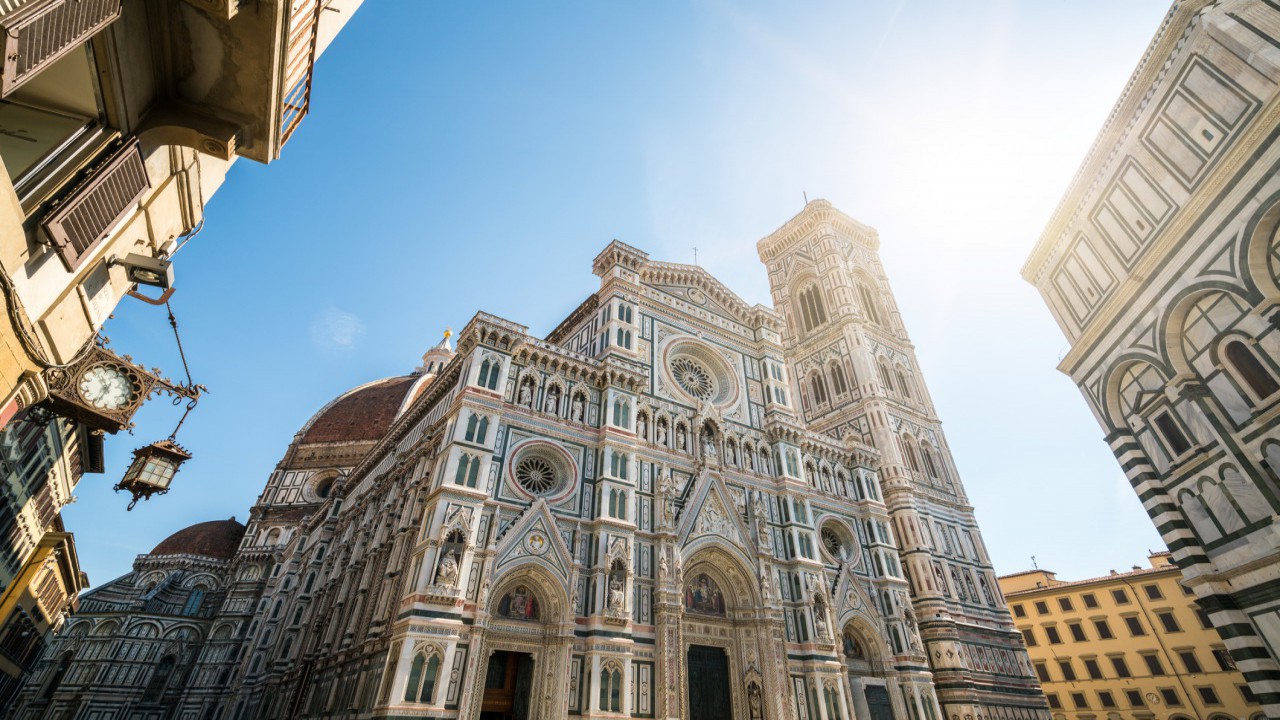
No visit to Florence would be complete without seeing the Florence Cathedral, or Duomo, which stands proudly at the city’s heart. This magnificent cathedral, dedicated to Santa Maria del Fiore, is one of the most iconic symbols of the Renaissance era. The structure itself is a marvel of engineering, with its vast dome designed by Filippo Brunelleschi, considered an architectural feat of the time. During Walking Tours in Florence, visitors can not only admire the cathedral’s intricate facade and impressive size but also learn about the groundbreaking techniques that allowed such a structure to be built in the 15th century.
A guided tour provides fascinating insights into the symbolism of the cathedral’s artwork and design, as well as the religious and political importance it held during the Renaissance. Tourists will also get to visit the Baptistery of St. John, known for its famous bronze doors by Lorenzo Ghiberti, and the nearby Campanile (bell tower), offering panoramic views of Florence. Together, these landmarks create a comprehensive view of Florence’s architectural legacy and the role it played in shaping Renaissance art and culture.
Palazzo Vecchio: The Heart of Florence’s Political Power
Another essential stop on any Walking Tour in Florence is the Palazzo Vecchio, one of the city’s most important historical buildings. Once the seat of Florence’s government, this grand palace is a symbol of the political power that Florence held during the Renaissance. The building’s architecture reflects the influence of the Medici family, who commissioned significant renovations and decorations that transformed it into a magnificent symbol of their rule.
Tour guides offer detailed explanations about the palace’s construction, the famous artworks it houses, and the historical events that took place within its walls. The Salone dei Cinquecento (Hall of the Five Hundred), with its stunning frescoes by Giorgio Vasari and paintings by Leonardo da Vinci and Michelangelo, is a highlight of the tour. Walking through the corridors of the Palazzo Vecchio offers a deep dive into Florence’s political landscape during the Renaissance, giving visitors a sense of the power struggles and events that helped shape the city’s history.
The Uffizi Gallery: A Treasure Trove of Renaissance Art
The Uffizi Gallery is widely regarded as one of the most important museums in the world, housing an unparalleled collection of Renaissance art. Walking Tours in Florence often include a visit to this iconic museum, which boasts works by masters like Botticelli, Raphael, Leonardo da Vinci, and Titian. For art lovers, a guided tour through the Uffizi offers not only a chance to see some of the most famous paintings ever created but also an opportunity to understand the context in which these masterpieces were produced.
The museum’s layout itself tells a story, with rooms dedicated to various artists, schools, and periods. A knowledgeable guide will explain the evolution of Renaissance art, from the early works of Giotto to the harmonious compositions of Raphael. Famous pieces like Botticelli’s “The Birth of Venus” and Leonardo’s “Annunciation” are not only a visual delight but also offer insight into the political, social, and religious climate of the time. The Uffizi is a must-see for anyone looking to appreciate the artistic innovations of the Renaissance fully.
Ponte Vecchio: The Bridge That Holds Centuries of Stories
The Ponte Vecchio, or “Old Bridge,” is another one of Florence’s most recognizable landmarks. Spanning the Arno River, this medieval bridge is famous for its quaint shops that line both sides, many of which still sell gold and jewelry to this day. While the bridge itself has been rebuilt and restored over the centuries, it remains a symbol of Florence’s resilience and charm.
Walking Tours in Florence often take visitors across the Ponte Vecchio, offering insights into its history and significance. The bridge dates back to the Roman era and was later redesigned during the Renaissance. A tour guide will explain how the Medici family used the Vasari Corridor, a secret passageway above the shops, to travel between the Palazzo Vecchio and the Pitti Palace without being seen. The bridge is also a popular spot for panoramic photos, and visitors can enjoy spectacular views of the Arno River and the city’s historic buildings.
Pitti Palace and Boboli Gardens: The Medici’s Magnificent Retreat
No exploration of Florence’s Renaissance landmarks would be complete without visiting the Pitti Palace and the Boboli Gardens, located just across the Arno River. The Pitti Palace was the residence of the powerful Medici family and later became the seat of the Grand Dukes of Tuscany. Today, the palace houses several important museums, including the Palatine Gallery, which displays a vast collection of Renaissance paintings.
A Walking Tour in Florence that includes a visit to the Pitti Palace will delve into the extravagant lifestyle of the Medici family, offering a glimpse of how the wealthy elite of the Renaissance lived. The adjacent Boboli Gardens, a beautifully landscaped park, are one of the finest examples of Italian gardens and a perfect place to relax after a day of sightseeing. The gardens offer stunning views of Florence and are filled with statues, fountains, and lush greenery, making them a must-see for nature and history lovers alike.
Santa Croce: The Temple of Italian Glories
Santa Croce is one of Florence’s most historically significant churches, not only for its stunning architecture but also for its role as the final resting place of many of Italy’s greatest figures. Known as the “Temple of Italian Glories,” it is the burial site of luminaries such as Michelangelo, Galileo, and Machiavelli. A visit to this church is an essential part of any Walking Tour in Florence, as it offers a connection to the intellectual and artistic achievements of the Renaissance.
The church itself is a beautiful example of Gothic architecture, with its intricate facade and peaceful interior. Inside, visitors can explore the tombs of some of Italy’s most revered artists and scientists, learning about their contributions to the Renaissance. The church also houses remarkable frescoes and artworks, including those by Giotto and his school. A guided tour provides valuable context to the history and significance of this iconic site, making it an unforgettable stop on any Florence itinerary.
Florence’s Hidden Corners: Lesser-Known Gems
While the well-known landmarks are an essential part of any Walking Tour in Florence, the city also boasts many hidden gems that offer a more intimate view of its history. Off-the-beaten-path locations, such as the Church of San Lorenzo, the Museo del Bargello, and the lesser-known streets of the Oltrarno district, offer a quieter, more authentic experience of Florence. These places are often less crowded, allowing visitors to appreciate the beauty and charm of the city without the hustle and bustle of the main tourist spots.
Guided walking tours that include these hidden corners provide fascinating stories of Florence’s past, from the rise of the guilds to the everyday lives of the city’s inhabitants during the Renaissance. Exploring these lesser-known sites offers a deeper understanding of Florence’s rich and diverse history, giving visitors a more well-rounded experience of the city.
Conclusion
Walking Tours in Florence are the perfect way to immerse yourself in the city’s rich history, especially if you’re drawn to the Renaissance period. These tours not only offer the chance to visit iconic landmarks like the Florence Cathedral, Palazzo Vecchio, and the Uffizi Gallery but also provide a deeper understanding of the cultural, political, and artistic forces that shaped the city. From the stunning architecture to the world-class art and fascinating stories of the Medici family, Florence offers a wealth of experiences for those eager to explore its past.
Whether you’re an art enthusiast, history buff, or simply someone looking to explore the beauty of Florence on foot, a walking tour is the best way to uncover the wonders of the city. The Renaissance’s legacy continues to resonate in the streets, squares, and buildings of Florence, and with a knowledgeable guide, you can truly step into the heart of this transformative period. So, lace up your walking shoes, step into history, and let Florence’s Renaissance wonders come to life before your eyes.