In the dynamic realm of commercial spaces, flooring plays a pivotal role in setting the tone for functionality, aesthetics, and durability. Commercial vinyl flooring has emerged as a frontrunner in meeting these multifaceted demands, providing a versatile and cost-effective solution for a variety of businesses. In this article, we will delve into the evolution of commercial vinyl flooring and explore its notable advantages.
**1. A Historical Overview of Commercial Vinyl Flooring
Commercial vinyl flooring has come a long way since its inception. Initially introduced in the 1930s, it gained popularity for its resilience and affordability. However, it wasn’t until the 1980s that advancements in manufacturing processes elevated its status. With the introduction of luxury vinyl tile (LVT) and luxury vinyl plank (LVP), commercial vinyl flooring became more than just a practical choice; it became a design element in its own right.
**2. Types of Commercial Vinyl Flooring
2.1 Sheet Vinyl Flooring
One of the traditional forms of commercial vinyl flooring is sheet vinyl. This seamless option is popular in spaces where minimizing seams and joints is crucial. It provides a smooth, water-resistant surface, making it ideal for areas prone to spills or moisture.
2.2 Luxury Vinyl Tile (LVT)
LVT has gained immense popularity in commercial settings due to its ability to mimic the appearance of natural materials such as wood, stone, or ceramic. With advancements in printing and embossing technologies, LVT offers a realistic aesthetic without sacrificing durability.
2.3 Luxury Vinyl Plank (LVP)
Simulating the look of hardwood flooring, LVP has become a favorite in commercial spaces seeking the warmth and elegance of wood without the associated maintenance challenges. It is particularly beneficial in spaces where moisture or humidity can be a concern.
**3. Advantages of Commercial Vinyl Flooring
3.1 Durability and Longevity
One of the primary advantages of commercial vinyl flooring is its durability. It can withstand high foot traffic, making it suitable for retail spaces, offices, healthcare facilities, and more. The wear layer on the surface protects against scratches, stains, and dents, ensuring a long-lasting and attractive flooring solution.
3.2 Low Maintenance Requirements
Commercial spaces demand flooring that is easy to maintain, and vinyl delivers on this front. Regular sweeping and occasional mopping are usually sufficient to keep the surface clean. The protective layer resists stains, making it an ideal choice for areas prone to spills or accidents.
3.3 Cost-Effectiveness
In the realm of commercial flooring, cost is a significant consideration. Commercial vinyl flooring stands out as a cost-effective option, providing a balance between affordability and performance. Its long lifespan and minimal maintenance requirements contribute to its overall cost-effectiveness.
3.4 Design Versatility
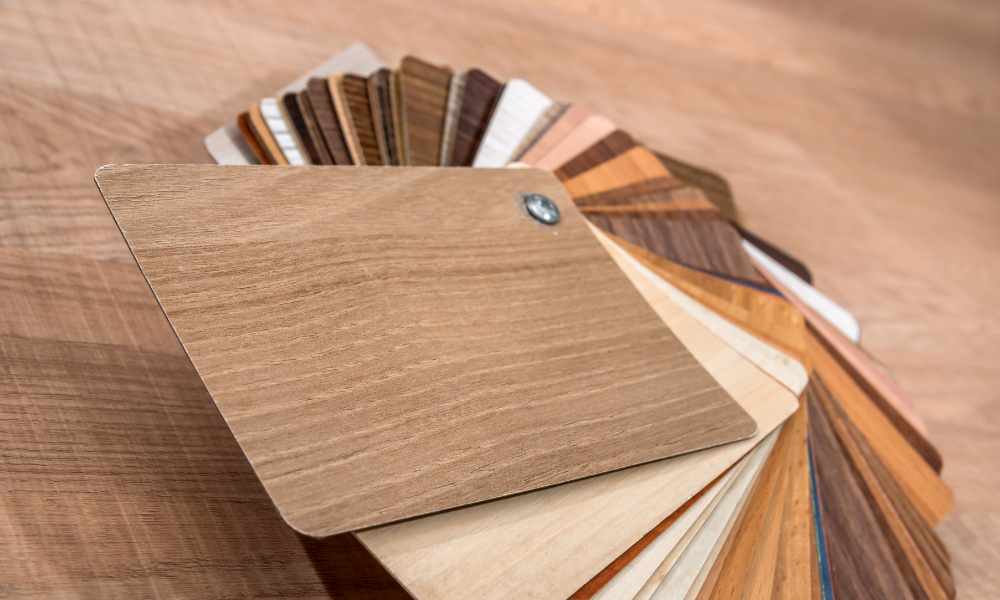
The evolution of commercial vinyl flooring has brought about a vast array of design options. Whether you prefer the classic appeal of wood, the sophistication of stone, or the creativity of patterns and colors, vinyl flooring can be customized to suit diverse design preferences. This design versatility allows businesses to create a branded and visually appealing environment.
3.5 Comfort and Resilience
Unlike some hard flooring options, vinyl provides a softer surface underfoot. This quality makes it a comfortable choice for employees and customers who may spend extended periods on their feet. Additionally, the resilience of vinyl ensures that it bounces back from pressure, making it a forgiving surface for dropped items.
**4. Environmental Considerations
In an era where sustainability is a key concern, commercial vinyl flooring has evolved to address environmental considerations. Many manufacturers now offer eco-friendly options with recycled content and low volatile organic compound (VOC) emissions. This shift towards sustainability aligns with the growing demand for environmentally conscious building materials.
**5. Installation and Adaptability
Commercial vinyl flooring is known for its ease of installation. Whether using the glue-down method for sheet vinyl or the click-lock system for LVT and LVP, the installation process is efficient, minimizing downtime for businesses. Additionally, vinyl flooring can be installed over various existing surfaces, reducing the need for extensive subfloor preparation.
**6. Conclusion
In the ever-evolving landscape of commercial flooring, vinyl has proven itself as a resilient, versatile, and cost-effective choice. The evolution from traditional sheet vinyl to modern luxury vinyl options has expanded its appeal, making it a go-to solution for various businesses. With durability, low maintenance requirements, design versatility, and environmental considerations, commercial vinyl flooring stands as a testament to the adaptability and innovation within the flooring industry. As businesses continue to seek flooring solutions that align with their practical and aesthetic needs, commercial vinyl flooring is likely to maintain its position as a leading contender in the commercial flooring market.