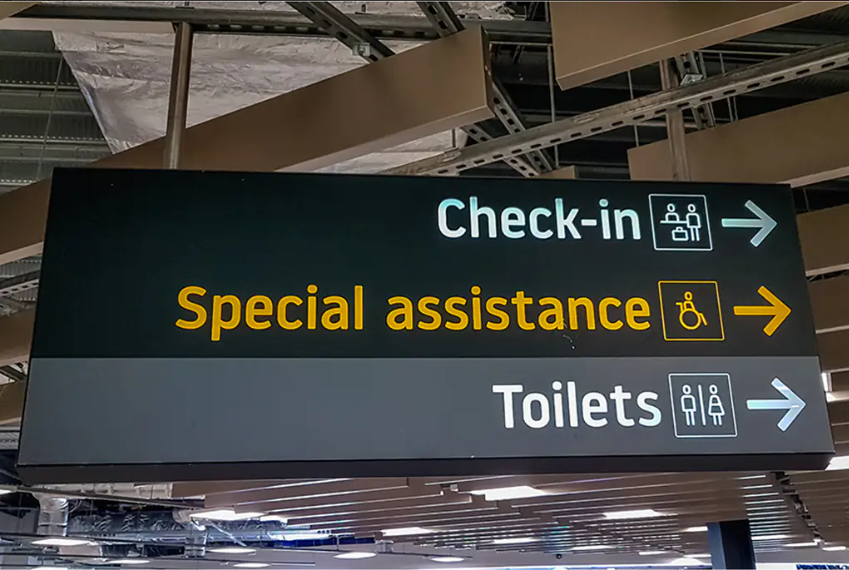
In today’s fast-paced world, people are always on the move, and finding their way in complex environments can be a challenge. Whether it is navigating through a busy airport, a hospital, or a shopping mall, wayfinding design plays a crucial role in ensuring people can move efficiently and effectively. Wayfinding design involves the use of signage, maps, and other design elements to help people navigate through a physical environment. With the advancement of technology, the future of wayfinding design is constantly evolving, and there are several emerging trends and technologies that are set to shape the future of this field.
Trend 1: Digital Signage and Wayfinding
Digital signage and wayfinding are rapidly gaining popularity, and they are set to be a major trend in the future of wayfinding design. Digital signage involves the use of electronic displays to convey information to the public. This technology allows for dynamic and interactive displays that can be easily updated and customized. In wayfinding design, digital signage can be used to display maps, directions, and other information that can help people navigate through a physical space.
According to a report by Grand View Research, the global digital signage market is expected to reach $31.7 billion by 2025, growing at a CAGR of 7.9% from 2019 to 2025. This growth is driven by the increasing demand for digital signage in various industries, including retail, healthcare, and transportation.
Trend 2: Augmented Reality Wayfinding
Another emerging trend in the future of wayfinding design is the use of augmented reality (AR) technology. AR involves overlaying digital information onto the real world, allowing people to view and interact with the environment in new and innovative ways. In wayfinding design, AR can be used to provide real-time navigation and information, helping people to navigate through complex environments.
According to a report by MarketsandMarkets, the global AR market is expected to reach $72.7 billion by 2024, growing at a CAGR of 46.6% from 2019 to 2024. This growth is driven by the increasing adoption of AR in various industries, including gaming, healthcare, and retail.
Trend 3: Personalized Wayfinding Services
Personalization is a growing trend in the field of wayfinding design. By using data and analytics, designers can create personalized wayfinding services that are tailored to the needs of individual users. This can include customized maps, directions, and recommendations that take into account factors such as the user’s location, preferences, and mobility.
According to a report by Accenture, 91% of consumers are more likely to shop with brands that recognize, remember, and provide relevant offers and recommendations. This trend is driving the adoption of personalized wayfinding services in various industries, including retail and hospitality.
Trend 4: Smart Wayfinding Systems
Smart wayfinding systems are an emerging trend in the field of wayfinding design. These systems involve the use of sensors, data analytics, and artificial intelligence to create intelligent and efficient wayfinding solutions. By analyzing data such as foot traffic, user behavior, and real-time information, smart wayfinding systems can provide personalized navigation and real-time updates that help people navigate through complex environments.
According to a report by MarketsandMarkets, the global smart transportation market is expected to reach $149.2 billion by 2022, growing at a CAGR of 23.6% from 2017 to 2022. This growth is driven by the increasing adoption of smart transportation solutions in various industries, including retail, healthcare, and transportation.
Trend 5: Sustainability in Wayfinding Design
Sustainability is an increasingly important consideration in the field of wayfinding design. As society becomes more aware of the impact of design on the environment, designers are looking for ways to create wayfinding solutions that are environmentally friendly and sustainable. This can include using recycled materials, reducing waste, and designing systems that minimize energy consumption.
According to a report by the United Nations Environment Programme, the construction and operation of buildings are responsible for 39% of global greenhouse gas emissions. By designing sustainable wayfinding systems, designers can help to reduce the environmental impact of buildings and promote more sustainable practices.
Challenges in the Future of Wayfinding Design
While there are many exciting trends and technologies in the future of wayfinding design, there are also several challenges that designers will need to overcome. One of the biggest challenges is the need to balance technology with human interaction. While digital signage and other technologies can be effective in providing information, they can also be impersonal and lacking in human touch.
Another challenge is the need to design wayfinding solutions that are accessible to all users, including those with disabilities. This can be particularly challenging in complex environments, such as airports and hospitals, where there are many different types of users with varying needs.
Conclusion
In conclusion, the future of wayfinding design is full of exciting possibilities. From digital signage and augmented reality to personalized services and smart systems, designers have a wide range of tools at their disposal to create effective and efficient wayfinding solutions. However, designers will also need to overcome several challenges, including balancing technology with human interaction and designing solutions that are accessible to all users. By taking these challenges into account and continuing to innovate, designers can create wayfinding systems that help people navigate through complex environments and improve the overall user experience. ARC Document Solutions is a leading provider of signage and wayfinding services, offering a wide range of solutions to help businesses and organizations navigate through complex environments. With their expertise and innovative approach to wayfinding design, ARC Document Solutions is well-positioned to lead the way in the future of wayfinding.