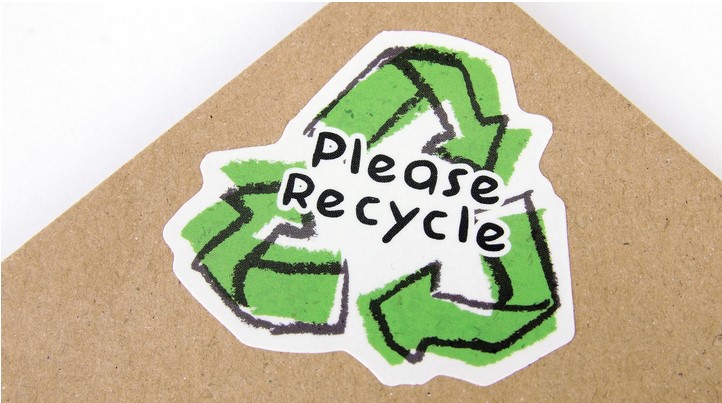
Sustainability has transitioned from a mere corporate buzzword to a non-negotiable aspect of business strategy. The modern market is progressively favoring and expecting sustainable practices. However, implementing these practices effectively is often easier said than done, and one of the most visual representations of a company’s commitment to the environment is its packaging. Eco-friendly labels aren’t just a statement; they’re a critical part of your brand’s identity and consumer trust.
Small business owners and marketing professionals are at the forefront of this movement, tasked with the job of not just being eco-friendly but also effectively communicating that to their consumers. In this detailed exploration, we’ll uncover the various aspects of adopting and implementing eco friendly stickers and labels, drawing upon real-world examples and expert insights to guide you through the process.
The Anatomy of an Eco-Friendly Label
Crafting an eco-friendly label is a blend of creativity and compliance. From the choice of materials to the message it carries, every aspect needs to be carefully considered.
The Art of Recycled and Biodegradable Materials
Incorporating recycled or biodegradable materials into your label design is an obvious step, but sourcing the right materials and ensuring they meet industry regulations is complex. For instance, companies like EcoEnclose offer a range of labels made from 100% recycled paper, setting a precedent for brands to follow.
Complementing Aesthetic with Responsibility
Gone are the days when eco-friendly equated to dull and boring. Today, businesses are creating labels that are not only environmentally conscious but also visually appealing. A prime example is how Lush, the cosmetic brand, uses black pots made from 100% post-consumer recycled material. Their packaging stands out, proving you can have vibrant design without harming the planet.
Transparency in Production and Design
Consumers are savvy and demand transparency in labeling. Sharing the story of your label’s production, its environmental sourcing, and its end-of-life plan can foster a deeper connection with your audience. This open approach has seen success for companies like Patagonia, known for their Worn Wear program, which encourages buyers to return used gear for re-use or recycling.
Implementing Eco-Friendly Labels in Marketing Strategies
It’s not enough to create an eco-friendly label; you have to tell the world about it. Your marketing strategies need to highlight your commitment to the environment without appearing disingenuous.
Integrating Labels with Brand Values
Your label is a symbol of your brand’s values. It should seamlessly integrate with your greater sustainability narrative, like the way Seventh Generation, a household products company, includes bold statements on its label, underpinning the entire brand ethos.
Sharing the Story Through Digital and Social Platforms
Leverage digital marketing to extend the reach of your eco-friendly message. Create campaigns around the production of your labels, showcase the positive impact you’re making, and engage with your community. For instance, the #ReuseAMillion campaign by Starbucks emphasizes their commitment to reducing waste by offering reusable cups.
Certification and Collaboration
Obtaining certifications such as FSC (Forest Stewardship Council) or collaborating with recognized environmental organizations can add credibility to your label claims. Brands like Toms, known for their shoe donations, have built their messaging around these partnerships.
Overcoming Common Challenges in Adopting Eco-Friendly Labels
The road to eco-friendly labels isn’t without its bumps. From regulatory hurdles to costs, businesses face several challenges that need to be navigated carefully.
Navigating the Maze of Regulations
Regulations around eco-labeling can be varied and complex. Keeping abreast of changing laws, such as the recent single-use plastics ban in many countries, is a significant hurdle. Companies often turn to legal experts and consult industry groups to ensure compliance, as seen in how IKEA navigated the EU’s regulations on its products.
Balancing Cost and Environmental Impact
One common concern is the potentially higher cost of eco-friendly materials. Finding affordable options that align with your budget while maintaining quality can be a balancing act. However, over the long term, eco-friendly labels can often lead to cost savings and increased customer loyalty, as with Unilever’s sustainable living brands that consistently outperform market trends.
Maintaining Performance and Shelf Appeal
Eco-friendly labels should not compromise on performance. Labels must withstand storage conditions and look as good on the shelf as traditional options. Brands like Whole Foods have integrated this balance, offering a line of 365 Everyday Value products with clear labels that showcase green messaging and durability in real-world application.

The Impacts and Advantages of Green Labeling on Businesses
The switch to eco-friendly labeling isn’t just about environmental benefits; it offers significant advantages for businesses as well. Understanding these can be a compelling driver for change.
Consumer Trust and Loyalty
In an era of greenwashing, authentic commitment stands out. Eco-friendly labels can enhance consumer trust and foster loyalty. A recent study showed that 94% of consumers are likely to be loyal to a brand that offers complete transparency. Brands like Tesla, known for its electric vehicles, exemplify how a green ethos can build unwavering customer loyalty.
Market Differentiation and Competitive Edge
In many industries, eco-friendly labels provide a clear differentiator. They set your products apart from competitors and can open up new market segments. Method, a cleaning products company, used a unique design and a focus on environmentally-friendly ingredients to revolutionize the industry.
Positive Impact on the Environment and Society
The most significant impact is, of course, on the environment. However, eco-friendly labels can also contribute to social causes by employing sustainable practices that benefit communities. The Body Shop, a global beauty brand, demonstrates a commitment to fair trade and against animal testing, aligning their label with a broader social impact.
The Future of Eco-Friendly Labels and Where Businesses are Heading
Looking ahead, eco-friendly labels are set to become the norm rather than the exception. Businesses need to consider where the industry is heading and be at the forefront of these changes.
Innovating for a Circular Economy
The future lies in a circular economy, and labels are no exception. Innovations like water-soluble labels that disappear during the recycling process are beginning to surface. Procter & Gamble’s recyclable toothpaste tube is an early example of circular design considering the full lifecycle impact.
Continued Education and Fostering a Sustainability Culture
Businesses will need to continue educating their teams and customers to foster a culture of sustainability. Initiatives like Allbirds’ carbon footprint labeling on shoes help educate consumers, while internal programs encourage employees to pursue sustainable practices.
Global Collaboration and Standards
The world is a global marketplace, and global standards for eco-labeling will become essential. Businesses must engage in international collaborations to set these standards. The Ellen MacArthur Foundation’s New Plastics Economy Global Commitment is an example of businesses uniting to create a world with less plastic waste.
Conclusion: The Powerful Intersection of Business and the Environment
Eco-friendly labels are more than just a trend; they’re a powerful intersection of business and the environment. By mastering the art of crafting and communicating eco-friendly labels, businesses can find themselves at the heart of this powerful movement, connecting with consumers on a deeper level and making a tangible impact on global sustainability.
It’s time to take the plunge and commit to sustainable labeling. The examples highlighted in this extensive blog post are just a small sample of the many innovative strategies businesses are employing to champion eco-friendly practices. Your brand’s narrative awaits its own unique eco-friendly label story. It’s within these stories that brands will find resonance and relevance in the shifting marketplace towards a more sustainable future.
Thanks for visiting https://newstomatic.com