Introduction
When it comes to maintaining the exterior of your home, pressure washing is one of the most effective methods available. Over time, dirt, mold, mildew, and grime can accumulate on surfaces, diminishing your home’s curb appeal and potentially causing damage. Pressure washing not only restores the beauty of your home but also prolongs the life of your exterior surfaces.
In this guide, we will delve into the benefits of pressure washing, the types of surfaces that can be cleaned, the process involved, and tips for achieving the best results.
Why Pressure Washing Is Important
1. Enhances Curb Appeal
A clean exterior significantly improves your home’s appearance, making it more inviting and increasing its overall value. Regular pressure washing removes unsightly stains and buildup, revealing the original beauty of your property.
2. Prevents Damage
Mold, mildew, and algae can degrade surfaces over time, leading to costly repairs. Pressure washing helps eliminate these harmful organisms, protecting your investment and extending the lifespan of your siding, roof, and deck.
3. Promotes Health
Cleaning your home’s exterior reduces allergens and pollutants, creating a healthier environment. This is particularly important for those with allergies or respiratory issues, as mold and dust can contribute to health problems.
4. Saves Time and Effort
Pressure washing is a quick and efficient way to clean large areas. Compared to traditional scrubbing methods, pressure washing can save you hours of hard work and provide superior results.
Surfaces That Can Be Pressure Washed
1. Siding
Vinyl, wood, and aluminum siding can all benefit from pressure washing, removing dirt and grime that accumulate over time.
2. Driveways and Sidewalks
Concrete and asphalt surfaces often collect stains from oil, tire marks, and organic material. Pressure washing can restore these surfaces to their original condition.
3. Decks and Patios
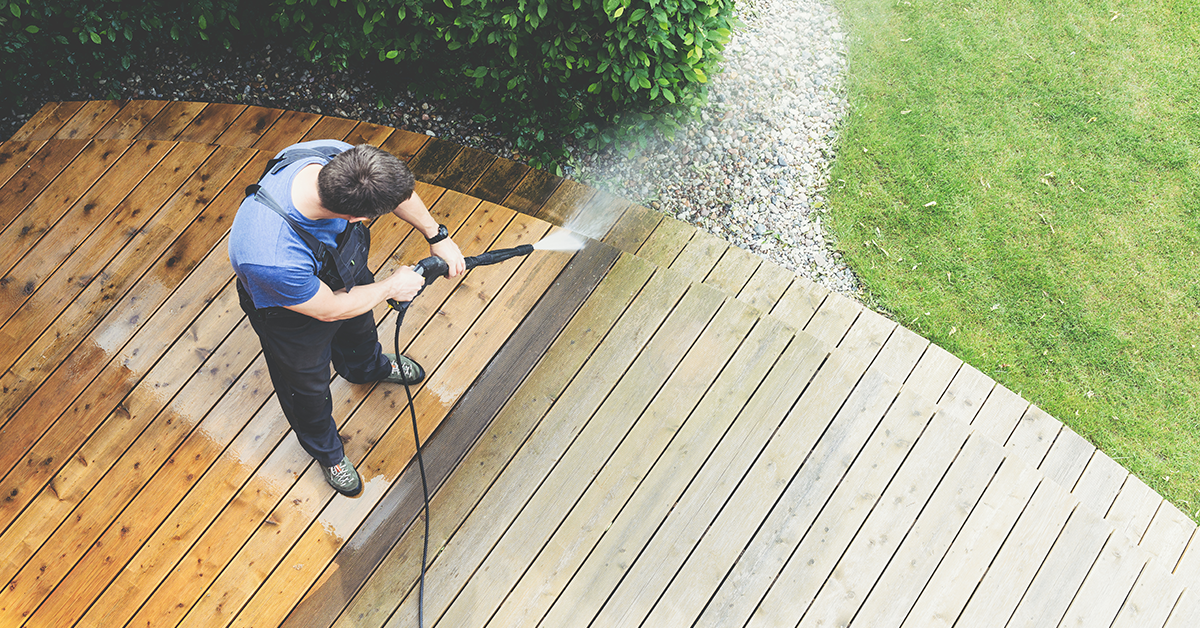
Wooden decks and patios can become slippery with mold and mildew. Pressure washing effectively cleans these surfaces, making them safer and more enjoyable.
4. Roofs
While some roofs may require special care, many types of shingles can be cleaned with pressure washing to remove algae and moss buildup.
5. Fences
Whether wooden or vinyl, fences can gather dirt and mold. Pressure washing revitalizes their appearance and helps maintain their integrity.
The Pressure Washing Process
1. Preparation
Before starting, remove any obstacles such as furniture, planters, or decorations from the area to be cleaned. Cover nearby plants and electrical outlets to protect them from water damage.
2. Choosing the Right Equipment
Using the correct pressure washer for the job is crucial. Different surfaces require different pressure settings and nozzle types. A professional service will know how to adjust these settings to avoid damage.
3. Applying Detergent
For particularly tough stains or mildew, applying a suitable detergent before pressure washing can enhance cleaning effectiveness. Allow the detergent to sit for a short time to break down grime.
4. Washing
Using a sweeping motion, start pressure washing from the top of the surface and work your way down. This prevents dirty water from running over cleaned areas. Maintain a consistent distance from the surface to avoid damage.
5. Rinsing
After washing, rinse the area thoroughly to remove any leftover detergent and debris. This step ensures that no residues are left behind.
6. Final Touches
Inspect the area for any remaining stains or spots that may need extra attention. Touch up these areas as necessary.
Tips for Effective Pressure Washing
1. Know Your Equipment
Familiarize yourself with the pressure washer’s settings and attachments. Using the wrong pressure can damage surfaces, so understanding how to adjust pressure levels is key.
2. Select the Right Detergents
Use eco-friendly detergents whenever possible. They are effective and less harmful to the environment, particularly around plants and landscaping.
3. Test a Small Area First
Before fully pressure washing a surface, test a small, inconspicuous area to ensure the pressure and cleaning method won’t cause damage.
4. Consider Professional Services
If you’re unsure about pressure washing or if the job seems too large, hiring a professional service can save time and provide peace of mind. Professionals have the expertise and equipment to handle the task safely.
Conclusion
Pressure washing is a powerful tool for maintaining the cleanliness and integrity of your home’s exterior. From enhancing curb appeal to preventing damage, the benefits are significant. By understanding the pressure washing process and following best practices, you can effectively rejuvenate your property and keep it looking its best.
Call to Action: Ready to give your home a fresh, clean look? Contact a professional pressure washing service today to schedule an appointment and transform your home’s exterior!