Digital Diagnosis: Navigating Health with Your Online Doctor
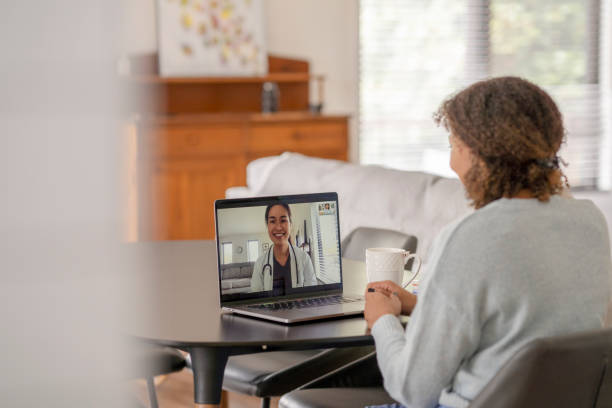
Table of Contents
ToggleIn the ever-evolving landscape of healthcare, technology continues to revolutionize the way we access medical services. Gone are the days of lengthy waits in crowded waiting rooms; instead, patients now have the option to consult with healthcare professionals from the comfort of their own homes. This paradigm shift is made possible through the emergence of online doctor, who offer virtual consultations and digital diagnoses. In this article, we will explore the concept of online doctors, their benefits, challenges, and the impact they are having on the healthcare industry.
The Rise of Online Doctors
Online doctors, also known as telemedicine practitioners or virtual healthcare providers, leverage digital platforms to deliver medical services remotely. Through video calls, chat messages, and other online communication tools, patients can consult with qualified healthcare professionals without the need for face-to-face appointments. This approach not only enhances convenience for patients but also facilitates access to healthcare for individuals who may face barriers such as geographical remoteness or mobility issues.
The concept of telemedicine is not entirely new, but recent advancements in technology have significantly expanded its scope and capabilities. With the widespread availability of high-speed internet and the proliferation of smartphones and computers, virtual consultations have become more accessible than ever before. Additionally, the COVID-19 pandemic has accelerated the adoption of telemedicine as healthcare providers sought alternative ways to deliver care while minimizing the risk of virus transmission.
Benefits of Online Doctors
The benefits of online doctors are manifold, both for patients and healthcare providers alike.
1. Convenience and Accessibility:
One of the most significant advantages of online doctor is the convenience they offer. Patients no longer need to travel to a clinic or wait for an appointment; instead, they can connect with a healthcare professional from anywhere with an internet connection. This accessibility is particularly beneficial for individuals living in rural or underserved areas, where access to healthcare services may be limited.
2. Cost-Effectiveness:
Virtual consultations can be more cost-effective than traditional in-person appointments. Patients save money on transportation costs, parking fees, and other expenses associated with visiting a healthcare facility. Additionally, online doctors can often provide more efficient care, reducing the need for unnecessary tests or procedures.
3. Continuity of Care:
Online doctors can facilitate better continuity of care, especially for individuals with chronic conditions or complex medical needs. Through regular virtual check-ins, patients can maintain ongoing communication with their healthcare providers, allowing for timely adjustments to treatment plans and monitoring of progress.
4. Expanded Specialist Access:
Telemedicine breaks down geographical barriers, enabling patients to access specialist care regardless of their location. This is particularly beneficial for individuals living in remote areas where certain medical specialties may not be readily available. Online doctors can connect patients with specialists from around the world, ensuring they receive the highest quality of care.
5. Improved Patient Experience:
Many patients find virtual consultations to be more comfortable and less intimidating than traditional doctor’s visits. The ability to communicate with healthcare professionals from the privacy of their own homes can alleviate anxiety and promote open dialogue between patients and providers.
Challenges and Considerations
While online doctors offer numerous benefits, there are also challenges and considerations that must be addressed to ensure the effective delivery of telemedicine services.
1. Regulatory and Legal Issues:
Telemedicine is subject to a complex web of regulations and legal considerations, which can vary significantly from one jurisdiction to another. Healthcare providers must navigate these regulations to ensure compliance with laws governing licensure, patient privacy (e.g., HIPAA in the United States), and reimbursement for services.
2. Technology Limitations:
Access to technology and digital literacy can pose barriers to the adoption of telemedicine, particularly among elderly or underserved populations. Healthcare providers must ensure that their patients have the necessary tools and skills to participate in virtual consultations effectively. Additionally, technical glitches or internet connectivity issues can disrupt the delivery of care and undermine the patient experience.
3. Privacy and Security Concerns:
The use of digital platforms for healthcare raises concerns about patient privacy and data security. Healthcare providers must implement robust safeguards to protect patient information from unauthorized access or data breaches. This includes encryption of communication channels, secure storage of electronic health records, and adherence to strict security protocols.
4. Limitations of Remote Examination:
While telemedicine can facilitate many aspects of healthcare delivery, there are limitations to what can be achieved through remote consultations alone. Physical examinations, diagnostic tests, and certain procedures may require in-person evaluation by a healthcare professional. Online doctors must be able to identify when an in-person visit is necessary and coordinate care accordingly.
The Future of Telemedicine
Despite these challenges, the future of telemedicine appears promising. As technology continues to advance and healthcare delivery models evolve, online doctors are poised to play an increasingly important role in the healthcare ecosystem. The integration of artificial intelligence, remote monitoring devices, and other digital health innovations will further enhance the capabilities of telemedicine and expand its reach to new frontiers.
In conclusion, online doctors represent a groundbreaking approach to healthcare delivery that offers convenience, accessibility, and quality care for patients around the world. While there are challenges to overcome, the potential benefits of telemedicine far outweigh the obstacles. By embracing innovation and leveraging technology, we can harness the power of online doctors to transform the way we experience healthcare.


