Navigating Common Skin Concerns: Effective Solutions and Professional Tips for Healthy, Glowing Skin
Effective Solutions for Common Skin Concerns
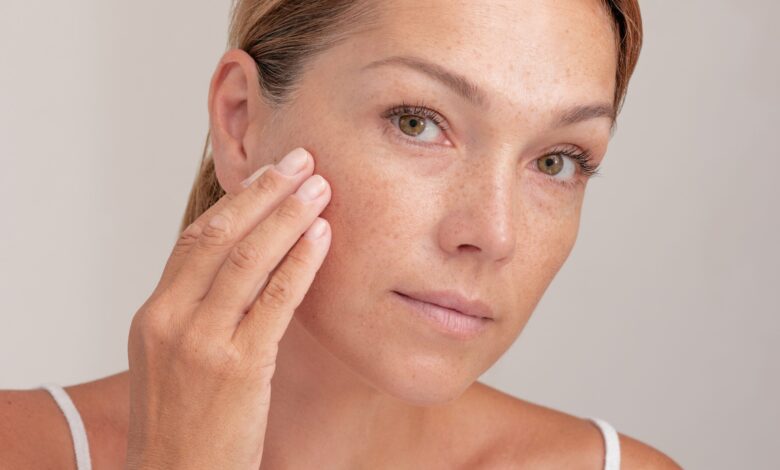
In our quest for flawless skin, many of us face various skin concerns that can be both frustrating and challenging. Whether you’re dealing with acne, dryness, or signs of aging, understanding these common issues and knowing how to address them effectively can make a significant difference in your skincare routine. This comprehensive guide is designed to provide you with actionable insights and expert advice on managing skin concerns, ensuring you achieve and maintain healthy, glowing skin.
1. Understanding Your Skin Type
Before diving into specific skin concerns, it’s crucial to understand your skin type. Your skin type influences how it reacts to different products and treatments. Here’s a quick overview:
- Normal Skin: Balanced with no excessive dryness or oiliness. Pores are not enlarged.
- Oily Skin: Characterized by excess oil production, leading to a shiny appearance and enlarged pores.
- Dry Skin: Often feels tight and may flake or peel. It can appear dull and may have fine lines.
- Combination Skin: A mix of oily and dry areas. Often, the T-zone (forehead, nose, chin) is oily, while the cheeks are dry.
- Sensitive Skin: Prone to redness, irritation, and reactions to various products.
2. Common Skin Concerns and Their Solutions
2.1 Acne
Acne is one of the most common skin concerns, affecting individuals of all ages. It’s characterized by pimples, blackheads, and cysts that can appear on the face, back, and shoulders.
Solutions:
- Cleansing: Use a gentle cleanser with salicylic acid or benzoyl peroxide to keep pores clear.
- Exfoliation: Regular exfoliation helps remove dead skin cells that can clog pores.
- Topical Treatments: Products containing retinoids or alpha hydroxy acids (AHAs) can help manage acne.
- Consult a Dermatologist: For persistent or severe acne, professional treatments such as prescription medications or laser therapy may be necessary.
2.2 Dry Skin
Dry skin can be uncomfortable and may lead to flakiness and irritation. It’s often caused by environmental factors, such as low humidity, or by using harsh skincare products.
Solutions:
- Hydration: Use a rich moisturizer containing hyaluronic acid or ceramides to restore moisture.
- Gentle Cleansing: Opt for a non-foaming, hydrating cleanser to avoid stripping your skin of natural oils.
- Humidifiers: Adding moisture to the air can help prevent your skin from drying out.
- Avoid Hot Water: Hot water can strip away natural oils, so opt for lukewarm water when washing your face.
2.3 Aging Skin
As we age, our skin naturally loses elasticity and moisture, leading to fine lines, wrinkles, and sagging.
Solutions:
- Sun Protection: Use a broad-spectrum sunscreen with SPF 30 or higher daily to protect against UV damage.
- Anti-Aging Products: Incorporate products with retinoids, peptides, and antioxidants into your skincare routine.
- Hydration: Keep your skin well-moisturized with products containing hyaluronic acid and glycerin.
- Professional Treatments: Consider treatments like chemical peels, microdermabrasion, or Botox for more significant results.
2.4 Hyperpigmentation
Hyperpigmentation, including age spots and melasma, occurs when certain areas of the skin produce more melanin than others, leading to uneven skin tone.
Solutions:
- Brightening Agents: Use products with vitamin C, niacinamide, or kojic acid to brighten and even out skin tone.
- Exfoliation: Regular exfoliation helps remove pigmented skin cells and promotes cell turnover.
- Sun Protection: Daily sunscreen application is crucial to prevent further pigmentation and protect against UV damage.
- Consult a Dermatologist: For persistent hyperpigmentation, professional treatments like chemical peels or laser therapy may be recommended.
2.5 Sensitive Skin
Sensitive skin is prone to redness, irritation, and reactions to various skincare products and environmental factors.
Solutions:
- Fragrance-Free Products: Use products free from artificial fragrances and dyes to minimize irritation.
- Patch Testing: Test new products on a small area of skin before applying them to your face.
- Soothing Ingredients: Look for products containing calming ingredients like chamomile, aloe vera, or oatmeal.
- Avoid Over-Exfoliating: Over-exfoliation can irritate sensitive skin, so stick to gentle exfoliation.
3. Building a Customized Skincare Routine
Creating a skincare routine tailored to your specific concerns and skin type is essential for achieving the best results. Here’s a basic framework:
- Cleansing: Start with a gentle cleanser suited to your skin type to remove impurities and prepare your skin for the next steps.
- Toning: Use a toner to balance your skin’s pH and remove any remaining traces of cleanser.
- Treatment: Apply serums or treatments that address specific concerns like acne, aging, or hyperpigmentation.
- Moisturizing: Use a moisturizer to lock in hydration and protect your skin’s barrier.
- Sun Protection: Finish with a broad-spectrum sunscreen during the day to shield your skin from UV damage.
4. Lifestyle Tips for Healthy Skin
In addition to your skincare routine, adopting healthy lifestyle habits can greatly impact your skin’s appearance:
- Hydrate: Drink plenty of water throughout the day to keep your skin hydrated from within.
- Balanced Diet: Eat a diet rich in fruits, vegetables, and healthy fats to support skin health.
- Sleep: Aim for 7-9 hours of quality sleep per night to allow your skin to repair and regenerate.
- Stress Management: Practice stress-relief techniques like meditation or yoga, as stress can exacerbate skin issues.
5. When to Seek Professional Help
While many skin concerns can be managed with over-the-counter products and lifestyle changes, some issues may require professional intervention. If you experience persistent or severe symptoms, consult a dermatologist for personalized advice and treatment options.
Conclusion: Embrace Your Skin’s Journey
Managing skin concerns is a journey that involves understanding your skin, addressing specific issues, and adopting a consistent skincare routine. By implementing the solutions and tips provided, you can achieve healthier, more radiant skin. Remember, everyone’s skin is unique, so take the time to tailor your approach to your individual needs.
Call to Action:
For personalized skincare advice and to explore professional treatments that can help you achieve your skincare goals, schedule a consultation with a dermatologist today. Embrace your skin’s journey and take proactive steps towards a more confident you!


