Training Treats: How to Choose Rewards for Dog Training
How to Choose Rewards for Dog Training
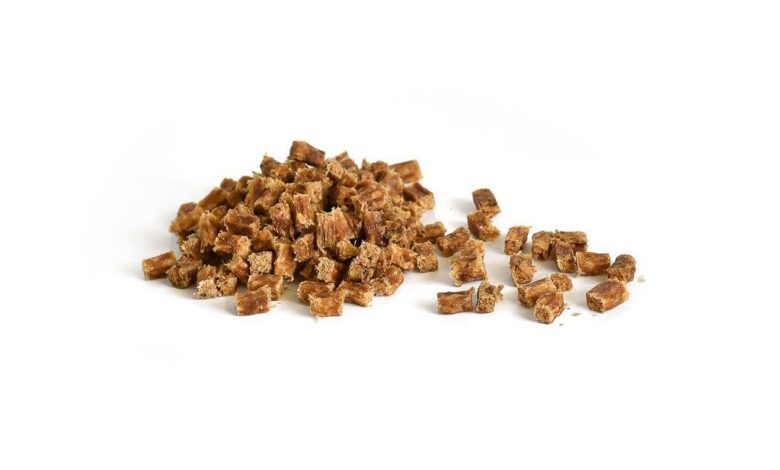
When it comes to dog training, using the right rewards is essential for achieving effective results. Training treats are a popular choice among dog owners and trainers alike, as they provide motivation and reinforcement for desired behaviors. However, not all treats are created equal, and choosing the perfect rewards can greatly impact the success of your training sessions. In this article, we will explore the key factors to consider when selecting training treats and offer valuable insights into making the best choices for your furry companion.
Understanding the Importance of Training Treats:
Training treats play a crucial role in positive reinforcement training methods. They serve as a powerful tool for motivating dogs, encouraging them to repeat desired behaviors. By associating specific actions with delicious rewards, dogs learn to associate positive experiences with obedience, creating a stronger bond between the dog and the trainer.
1. Quality over Quantity:
When selecting training treats, it’s important to prioritize quality over quantity. Opt for treats made with high-quality ingredients, free from artificial additives, fillers, and by-products. Natural treats, such as freeze-dried meat or dehydrated fruits and vegetables, are excellent options that provide nutritional value while being tasty and enticing for your dog.
2. Size Matters:
Consider the size of the training treats you choose. Ideally, treats should be small and bite-sized to prevent overfeeding during training sessions. Tiny treats allow for frequent rewards without filling up your dog’s stomach, ensuring they remain motivated and attentive throughout the training process.
3. Variety for Interest:
Just like humans, dogs can get bored with the same treats over time. Offering a variety of treats during training keeps things interesting for your dog and maintains their enthusiasm. Experiment with different flavors, textures, and shapes to find out what your dog responds to best. Rotating treats will keep your dog engaged and eager to perform well.
3. Caloric Considerations:
Training treats should be used judiciously to avoid overfeeding and weight gain. Since dogs may receive numerous treats during a single training session, it’s important to choose low-calorie options. Look for treats specifically labeled as “training treats” or “low-calorie” to ensure you’re providing appropriate rewards without compromising your dog’s diet.
4. Allergy and Sensitivities:
Dogs, like humans, can have allergies or sensitivities to certain ingredients. When selecting training treats, take note of any specific dietary restrictions or known allergies your dog may have. Avoid treats that contain ingredients known to trigger adverse reactions, such as wheat, soy, or artificial flavors. Opting for hypoallergenic treats or homemade options can be a safer choice for dogs with sensitive stomachs.
5. Training Treats as a Motivational Tool:
Different training situations may require different levels of motivation for your dog. Some tasks or distractions may require higher-value treats to maintain focus and obedience. Consider using high-value treats, such as small pieces of cooked chicken or cheese, for challenging training scenarios. Reserve these special treats for difficult tasks or distractions to maximize their impact.
6. Portability and Convenience:
Training treats should be easy to carry and handle during training sessions. Treats that are easily broken into smaller pieces or come in a resealable package are practical choices. Portable treats allow for quick and hassle-free rewards, ensuring smooth training sessions wherever you go.
7. Homemade Treats and DIY Options:
If you prefer a more personalized approach or have specific dietary requirements for your dog, homemade treats can be an excellent option. DIY treats allow you to control the ingredients, ensuring your dog gets a healthy and delicious reward. Numerous recipes are available online for making homemade treats tailored to your dog’s preferences and dietary needs.
Conclusion:
Choosing the perfect training treats is a vital step towards successful dog training. By understanding the importance of quality, size, variety, and considering factors such as caloric content, allergies, and portability, you can select treats that effectively motivate your dog and facilitate learning. Whether you opt for store-bought options or decide to make your own, the right rewards will make your training sessions more enjoyable, productive, and rewarding for both you and your furry friend. Remember, a well-trained dog is a happy dog, and delicious treats are a powerful tool in achieving your training goals.
Skipper’s Treats to Reward Your Dog
At Skipper’s Pet Products, we understand the importance of rewarding your dog during training sessions. That’s why we offer a wide range of premium treats designed to motivate and delight your furry companion. Our carefully selected treats are made with high-quality ingredients, ensuring both nutritional value and irresistible flavors. From bite-sized training treats to special high-value options, we have the perfect rewards to keep your dog engaged and eager to learn. With our convenient packaging and portable designs, you can easily carry our treats wherever you go, ensuring seamless training sessions on the move. Trust Skipper’s Pet Products to provide the ideal treats that will strengthen the bond between you and your beloved canine companion.


