Building on Solid Ground: Exploring Geotechnical Engineering Services
Building on Solid Ground: Exploring Geotechnical Engineering Services
Introduction
Geotechnical engineering services form the foundation of safe and successful construction projects. This specialized field focuses on understanding and managing the ground conditions upon which structures are built. By analyzing soil, rock, and groundwater properties, geotechnical engineers provide crucial insights and design solutions that ensure the stability, durability, and sustainability of infrastructure. In this article, we will explore the importance of geotechnical engineering services and their diverse applications in the construction industry.
1. Site Investigation and Characterization
Geotechnical engineering services begin with site investigation and characterization. Before any construction project commences, it is essential to understand the ground conditions to ensure the integrity of the structure. Geotechnical engineers conduct field investigations, including soil and rock sampling, geophysical surveys, and groundwater assessments. This data helps identify soil types, evaluate their properties, determine groundwater levels, and identify potential hazards such as landslides or sinkholes. Site characterization is crucial for developing appropriate design solutions and mitigating risks associated with ground conditions.
2. Foundation Design and Analysis
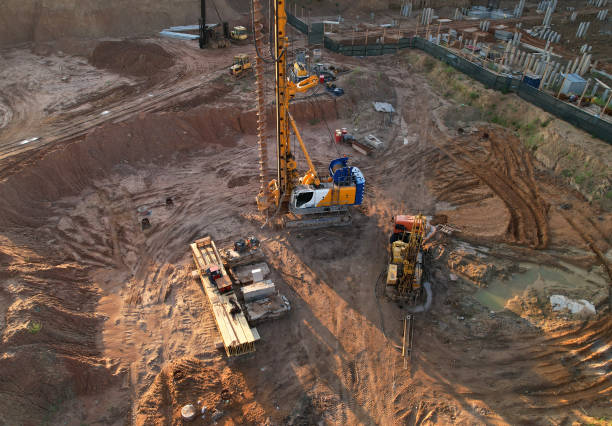
One of the primary responsibilities of geotechnical engineers is the design and analysis of foundations. Foundations serve as the interface between structures and the ground, transferring loads and ensuring stability. Geotechnical engineering services assess the bearing capacity and settlement characteristics of the soil to design foundations that can support the intended structure. Various factors, including soil type, groundwater conditions, and structural requirements, are considered to determine the optimal foundation type, such as shallow foundations, deep foundations, or ground improvement techniques. Geotechnical engineers employ sophisticated analysis methods to evaluate the performance of foundations under different loading conditions, ensuring long-term stability and safety.
3. Slope Stability Analysis
Slope stability analysis is another critical aspect of geotechnical engineering services. It involves assessing the stability of natural or man-made slopes to prevent landslides and ensure the safety of infrastructure. Geotechnical engineers use geotechnical modeling and analysis techniques to evaluate factors such as soil strength, slope geometry, groundwater conditions, and external loading. By conducting slope stability analysis, engineers can identify potential failure mechanisms, recommend appropriate slope reinforcement measures, and design slope stabilization techniques. This ensures the stability of slopes and minimizes the risk of slope failures that could result in property damage or even loss of life.
4. Earth Retaining Structures
Geotechnical engineering services are essential for the design and construction of earth retaining structures. These structures, such as retaining walls, embankments, and cut slopes, are used to stabilize and support the ground in situations where changes in elevation or lateral pressure are present. Geotechnical engineers consider factors such as soil properties, groundwater conditions, and structural requirements to design efficient and safe retaining structures. Through advanced analysis techniques and innovative design solutions, geotechnical engineering ensures the stability and longevity of earth retaining structures, preventing soil erosion, slope failure, and structural damage.
5. Ground Improvement Techniques
In cases where the existing ground conditions are not suitable for construction, geotechnical engineering services offer ground improvement techniques. These techniques enhance the engineering properties of the soil, allowing for safer and more cost-effective construction. Geotechnical engineers employ methods such as soil stabilization, compaction, grouting, and soil reinforcement to improve the strength, stability, and drainage characteristics of the ground. Ground improvement techniques are particularly beneficial in areas with weak or unstable soils, ensuring the feasibility and long-term performance of construction projects.
6. Environmental Considerations
Geotechnical engineering services also address environmental considerations in construction projects. This includes evaluating the impact of construction on the environment and assessing the environmental hazards posed by the site. Geotechnical engineers collaborate with environmental specialists to address issues such as groundwater contamination, soil erosion, and the protection of sensitive ecosystems. They design and implement measures to minimize environmental impacts during construction, such as erosion control measures, sedimentation ponds, and stormwater management systems. By considering environmental factors, geotechnical engineering services ensure sustainable and environmentally responsible construction practices.
7. Risk Assessment and Mitigation
Geotechnical engineering services play a pivotal role in risk assessment and mitigation. By conducting thorough site investigations and analyzing ground conditions, geotechnical engineers identify potential risks and hazards associated with the project. They assess factors such as soil liquefaction, seismic activity, slope instability, and groundwater fluctuations to develop risk management strategies. Geotechnical engineering services provide recommendations for mitigating risks, implementing appropriate engineering controls, and ensuring the safety and longevity of the constructed infrastructure.
Conclusion
Geotechnical engineering services form the backbone of safe and successful construction projects. By analyzing ground conditions, designing appropriate foundations, evaluating slope stability, and implementing ground improvement techniques, geotechnical engineers ensure that structures are built on solid ground. Their expertise and contributions are vital in preventing failures, ensuring the stability and longevity of infrastructure, and minimizing environmental impacts. Geotechnical engineering services play a critical role in the construction industry, providing the necessary knowledge and solutions to overcome the challenges posed by the ever-changing ground conditions. By building on solid ground, we can construct infrastructure that withstands the test of time and serves the needs of future generations.


