The Role of Turbidity Sensors in Ensuring Safe Drinking Water
Water is one of the most essential resources for human life, and ensuring that it remains clean and safe is a responsibility that falls on water treatment facilities, municipalities, and environmental agencies. One of the primary concerns when it comes to water quality is turbidity – the cloudiness or haziness caused by suspended particles in the water. These particles can include dirt, silt, microorganisms, algae, and other contaminants. High turbidity levels can affect the water’s safety, making it crucial for water quality monitoring to detect and address such issues before they become a public health risk.
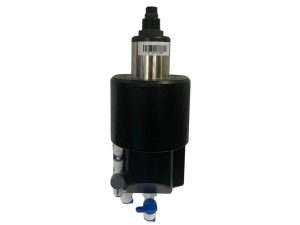
In this context, turbidity sensor are critical tools for ensuring safe drinking water. These sensors provide continuous, real-time data that help water treatment facilities monitor, control, and optimize their processes to meet the required safety standards for drinking water. This article explores the role of turbidity sensors in ensuring safe drinking water, their importance in modern water treatment practices, and how they help prevent waterborne diseases.
What is Turbidity and Why is it Important?
Turbidity refers to the amount of suspended particles in water that scatter light, giving the water a cloudy appearance. These particles can vary in size and composition, ranging from organic matter like algae to inorganic substances like clay or silt. Turbidity levels are typically measured in Nephelometric Turbidity Units (NTU), with lower values indicating clearer water and higher values signaling higher concentrations of suspended particles.
Turbidity is an important water quality parameter for several reasons:
-
Interference with Water Treatment: Suspended particles can obstruct the effectiveness of water treatment processes, particularly disinfection. For example, chlorine and other disinfectants used in water treatment may not work as efficiently when suspended particles protect harmful microorganisms from being killed.
-
Health Risks: High turbidity levels can serve as a potential indicator of waterborne pathogens or other harmful microorganisms. Turbidity itself doesn’t directly cause illness, but it often correlates with the presence of dangerous microbes such as bacteria, viruses, and protozoa, which can cause diseases like cholera, dysentery, and gastrointestinal infections.
-
Aesthetic Concerns: Beyond health concerns, turbid water is unappealing to consumers. Cloudy water is often perceived as dirty or contaminated, and people may be less likely to use or drink water that looks unclear, even if it meets safety standards.
For these reasons, monitoring and managing turbidity is a key part of ensuring that water is safe for consumption. This is where turbidity sensors come into play.
How Turbidity Sensors Work in Water Treatment
Turbidity sensors operate based on the principle of light scattering. The sensor emits light, typically through an LED or laser, into the water. When the light encounters suspended particles, it scatters in various directions. The amount and direction of the scattered light depend on the size, shape, and concentration of the particles in the water.
The turbidity sensor detects this scattered light and converts it into an electrical signal, which is then processed to calculate the turbidity level in Nephelometric Turbidity Units (NTU). This real-time measurement provides water treatment operators with critical information about water quality, which can guide the treatment process.
Most commonly, turbidity sensor use a nephelometric approach, which measures the scattered light at a 90-degree angle from the incident light. The greater the intensity of scattered light, the higher the turbidity of the water, indicating a higher concentration of suspended particles.
Why Are Turbidity Sensors Essential for Safe Drinking Water?
Ensuring safe drinking water requires continuous monitoring, and turbidity sensors are at the forefront of this effort. Here are several key reasons why turbidity sensors are indispensable in water treatment for safe drinking water:
1. Continuous Monitoring of Water Quality
One of the key advantages of turbidity sensors is their ability to provide continuous, real-time data on water quality. In water treatment plants, operators can monitor turbidity levels in raw, treated, and distributed water throughout the treatment process. Real-time monitoring allows for immediate detection of any fluctuations in turbidity, providing an early warning system that can trigger corrective actions.
For example, if turbidity levels in the raw water supply rise significantly due to stormwater runoff or increased sedimentation, the sensor can immediately alert the operator. This early detection allows for the adjustment of coagulant doses or other treatment parameters to address the increased turbidity, ensuring that the water remains safe for treatment and consumption.
2. Ensuring Effective Filtration
Filtration is one of the main processes used to remove suspended particles from water. When the raw water has a high turbidity level, the filtration process needs to be carefully controlled to ensure optimal particle removal. Turbidity sensors help monitor the effectiveness of the filtration system by measuring the level of turbidity before and after filtration. If the treated water shows elevated turbidity levels, the system can be adjusted to enhance performance and ensure the water meets the required standards.
By optimizing filtration processes based on turbidity data, water treatment plants can improve the quality of treated water, reducing the risk of contamination and enhancing the efficiency of the overall treatment system.
3. Monitoring Disinfection Processes
Disinfection is a critical step in making water safe for consumption by killing harmful microorganisms such as bacteria, viruses, and protozoa. However, suspended particles in the water can shield these pathogens from disinfection chemicals like chlorine. As a result, water with high turbidity can be more challenging to disinfect effectively.
Turbidity sensors help water treatment facilities monitor the clarity of water entering the disinfection phase. If the water is too turbid, the treatment plant may increase the amount of coagulants, adjust filtration methods, or increase the dose of disinfectants to ensure that all pathogens are effectively removed from the water. By tracking turbidity levels during the treatment process, turbidity sensors help ensure that the disinfection process is as effective as possible, making the water safe to drink.
4. Compliance with Regulatory Standards
In many countries, drinking water must meet strict regulatory standards for turbidity. For example, the Environmental Protection Agency (EPA) in the United States sets a maximum allowable turbidity level of 1 NTU in treated drinking water. Similarly, the World Health Organization (WHO) recommends a turbidity level of less than 5 NTU for drinking water.
Turbidity sensors are essential tools for ensuring that water treatment plants comply with these standards. By continuously measuring turbidity levels, operators can ensure that treated water meets these regulatory thresholds and take corrective actions if turbidity exceeds the acceptable limits. This helps protect public health and avoid potential fines or penalties for non-compliance.
5. Cost-Efficiency and Resource Optimization
Using turbidity sensors in water treatment plants is a cost-effective way to ensure water quality. By monitoring turbidity levels in real-time, facilities can make adjustments to their treatment processes, such as coagulant dosing, filtration, and disinfection, more efficiently. This reduces the risk of over-using chemicals and optimizing energy consumption, leading to cost savings for the plant while maintaining high-quality water.
Moreover, turbidity sensors can help prevent unnecessary waste by alerting operators to issues before they become more significant problems. For example, if a sudden increase in turbidity is detected, the treatment process can be adjusted to prevent water contamination, reducing the need for extensive re-treatment or reprocessing of the water.
The Impact of Turbidity Sensors on Public Health
Turbidity sensors are directly linked to the prevention of waterborne diseases, which continue to be a major global public health issue. Contaminated water can harbor pathogens that cause diseases such as cholera, giardiasis, and dysentery. By detecting elevated turbidity levels, turbidity sensors can help identify water that is at risk of harboring these harmful pathogens. Early detection allows for timely intervention and correction of the water treatment process, reducing the likelihood of waterborne illness outbreaks.
In emergency situations, such as during natural disasters when water sources are contaminated, turbidity sensors provide crucial information that helps emergency responders quickly assess water quality and take action to ensure that safe drinking water is available.
Conclusion
Turbidity sensors are a cornerstone of modern water treatment practices, playing a pivotal role in ensuring safe drinking water. By continuously monitoring water quality and providing real-time data on turbidity levels, these sensors help optimize filtration, disinfection, and overall treatment processes. They enable water treatment facilities to maintain compliance with regulatory standards and protect public health by preventing waterborne diseases. As technology advances, turbidity sensors will continue to evolve, providing even more precise and efficient solutions for ensuring the safety of drinking water worldwide.


