The Science Behind DO Sensors: Ensuring Healthy Aquatic Ecosystems
Water is one of the most essential resources for life on Earth. It sustains ecosystems, supports biodiversity, and is vital for human survival. Within the context of water ecosystems, one of the most important parameters to monitor is dissolved oxygen (DO). Oxygen is crucial for the respiration of aquatic life, including fish, invertebrates, and microorganisms. If oxygen levels drop too low, it can lead to hypoxia (oxygen depletion), creating dead zones that devastate aquatic life. This makes monitoring dissolved oxygen levels critical for maintaining healthy water systems.
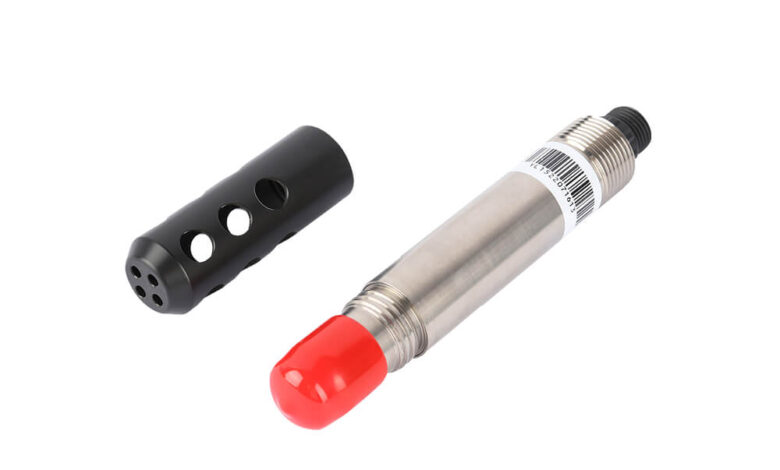
Fortunately, modern technology, particularly dissolved oxygen (DO) sensors, has made it easier to track oxygen levels in real-time, providing valuable data for managing water quality and protecting aquatic ecosystems. This blog will dive into the science behind do sensor, how they work, and their critical role in ensuring healthy aquatic ecosystems.
What is Dissolved Oxygen?
Dissolved oxygen refers to the amount of oxygen that is present in water and available for aquatic organisms to breathe. Just as animals and humans rely on the oxygen in the air to survive, aquatic organisms rely on the oxygen dissolved in water. Oxygen enters water bodies through two main processes:
-
Diffusion from the atmosphere: This occurs when oxygen from the air dissolves into the water at the surface.
-
Photosynthesis by aquatic plants: Aquatic plants and algae produce oxygen through photosynthesis, contributing to the overall oxygen supply in the water.
The oxygen that is dissolved in water is essential for the survival of aquatic species. If the concentration of DO falls below a certain threshold, it can have detrimental effects on aquatic life. The oxygen requirements for different organisms vary, but in general, most fish and invertebrates need at least 4-5 mg/L of oxygen to survive. Lower oxygen concentrations can lead to hypoxia, where organisms struggle to breathe and eventually die if oxygen levels are not restored.
Why is Monitoring DO Levels Important?
Maintaining optimal dissolved oxygen levels in aquatic environments is essential for the survival of aquatic organisms and the health of the ecosystem. Some of the key reasons to monitor DO levels include:
-
Preventing Hypoxia and Dead Zones: Eutrophication, often caused by nutrient runoff (such as fertilizers and sewage), can lead to algae blooms. As these blooms die off and decompose, they consume large amounts of oxygen, leading to hypoxic conditions. DO sensors can help identify early signs of hypoxia, allowing for timely intervention.
-
Tracking the Health of Aquatic Life: DO is a key indicator of the health of an aquatic ecosystem. Regular monitoring allows environmental agencies to track changes in water quality and identify areas where intervention might be necessary.
-
Supporting Pollution Control: In wastewater treatment facilities, ensuring adequate oxygen levels is essential for the aerobic bacteria that break down organic waste. DO sensors help monitor and control oxygen levels, optimizing treatment processes and preventing water contamination.
-
Regulatory Compliance: Many environmental regulations require that wastewater and industrial effluent meet specific DO standards before being released into natural water bodies. Monitoring dissolved oxygen helps ensure compliance with these regulations.
How Do DO Sensors Work?
Dissolved oxygen sensors are tools designed to measure the concentration of dissolved oxygen in water. There are several types of DO sensors available, but most rely on one of two technologies: electrochemical sensors and optical sensors. Both technologies provide real-time, accurate measurements that are critical for monitoring water quality.
1. Electrochemical Sensors
Electrochemical DO sensors, also known as Clark-type sensors, work by using an electrochemical reaction to measure oxygen concentrations. The sensor consists of two electrodes: a working electrode and a reference electrode. The working electrode is typically covered by a membrane that allows oxygen to diffuse into the sensor. When oxygen molecules reach the electrode, they undergo a reaction, producing an electrical current. The magnitude of this current is directly proportional to the concentration of dissolved oxygen in the water.
The electrochemical method is well-established and highly accurate. These sensors are widely used for applications such as environmental monitoring, industrial water treatment, and aquaculture. One advantage of electrochemical sensors is their ability to provide continuous readings, making them ideal for real-time monitoring.
2. Optical Sensors
Optical DO sensors operate using fluorescence-based technology. These sensors contain a fluorescent dye that responds to oxygen levels. When light is applied to the dye, it emits fluorescence. The amount of fluorescence emitted is inversely proportional to the concentration of dissolved oxygen. In other words, as oxygen levels increase, the fluorescence decreases.
Optical sensors offer several advantages over electrochemical sensors. For one, they tend to be more durable and require less maintenance because they don’t have electrodes that are prone to fouling or degradation. Additionally, optical sensors are more resistant to interference from other substances in the water, such as hydrogen sulfide or chlorine, which can affect the accuracy of electrochemical sensors.
While optical sensors are more expensive than electrochemical sensors, their long-term reliability and minimal maintenance requirements make them an appealing option for long-term monitoring in challenging environments.
Applications of DO Sensors in Environmental Monitoring
DO sensors play a crucial role in a wide range of applications related to environmental monitoring. Below are some of the most common uses of DO sensors in ensuring healthy aquatic ecosystems:
1. Ecosystem Monitoring
One of the primary applications of DO sensors is in monitoring the health of aquatic ecosystems. For example, in lakes, rivers, and estuaries, these sensors can track the fluctuations in oxygen levels, which can provide valuable insights into the overall health of the ecosystem. Low oxygen levels are often associated with the presence of pollutants, nutrient loading, or algae blooms, all of which can negatively affect aquatic life.
Regular monitoring using DO sensors helps scientists and environmental managers identify areas at risk of hypoxia, so that they can take timely action to mitigate the effects. For example, this might involve adjusting water flow, implementing nutrient management strategies, or even adding aeration systems to improve oxygenation in critically low-oxygen areas.
2. Aquaculture
In aquaculture, maintaining the right oxygen levels is crucial for the health and growth of fish and other aquatic organisms. DO sensors are essential for ensuring optimal water quality in fish farms, helping operators maintain a healthy environment for the aquatic life they are cultivating. These sensors can be integrated into automated systems that regulate aeration, ensuring that oxygen levels are maintained at optimal levels.
In aquaculture systems, where fish are often raised in confined spaces, the oxygen demand can be high. Without proper monitoring, oxygen levels can drop quickly, stressing the fish and potentially leading to disease or death. DO sensors help operators monitor these conditions and make adjustments as necessary to maintain a healthy environment for the fish.
3. Wastewater Treatment
In wastewater treatment plants, dissolved oxygen is crucial for the aerobic bacteria that break down organic waste. The oxygen provided by aeration tanks supports the bacterial activity needed to treat the wastewater effectively. DO sensors are used to monitor the oxygen levels in these tanks, ensuring that the bacteria receive enough oxygen to perform the treatment process efficiently.
By continuously monitoring oxygen levels, operators can adjust the aeration process, ensuring that the water is treated in the most cost-effective and efficient manner. This helps to reduce energy consumption and operational costs while improving the overall quality of the treated water.
4. Pollution Control
Dissolved oxygen sensors are also used to track the impact of pollution on aquatic environments. By measuring DO levels in rivers, lakes, and coastal areas, environmental authorities can identify the presence of pollutants that may be depleting oxygen levels, such as organic waste or excess nutrients from agricultural runoff.
These sensors can be deployed in water bodies that are affected by industrial discharges or sewage, helping to ensure that pollution control measures are effective. In areas where low DO levels are identified, regulators can take steps to reduce pollution sources and restore the balance of the ecosystem.
The Future of DO Sensors in Water Quality Monitoring
As technology continues to advance, the capabilities of DO sensors will only improve. Future trends include:
-
Integration with IoT (Internet of Things): DO sensors can be connected to IoT platforms, allowing for remote monitoring and real-time analysis of water quality data. This will enable environmental agencies to track water quality in real time, even in remote or hard-to-reach areas.
-
Data Analytics and AI: Advanced data analytics and artificial intelligence (AI) can be used to analyze the data from DO sensors, providing predictive insights into potential oxygen depletion events and enabling early intervention.
-
Increased Automation: Automated systems powered by DO sensors will allow for better control of aeration and water treatment processes, reducing the need for human intervention and improving efficiency.
Conclusion
Dissolved oxygen sensors are powerful tools that help ensure healthy aquatic ecosystems by providing real-time data on oxygen levels. From preventing hypoxia and pollution control to supporting aquaculture and wastewater treatment, these sensors are indispensable in managing water quality. As technology continues to evolve, DO sensors will play an even more significant role in ensuring that our water resources remain safe, clean, and sustainable for future generations.


